
Flowers
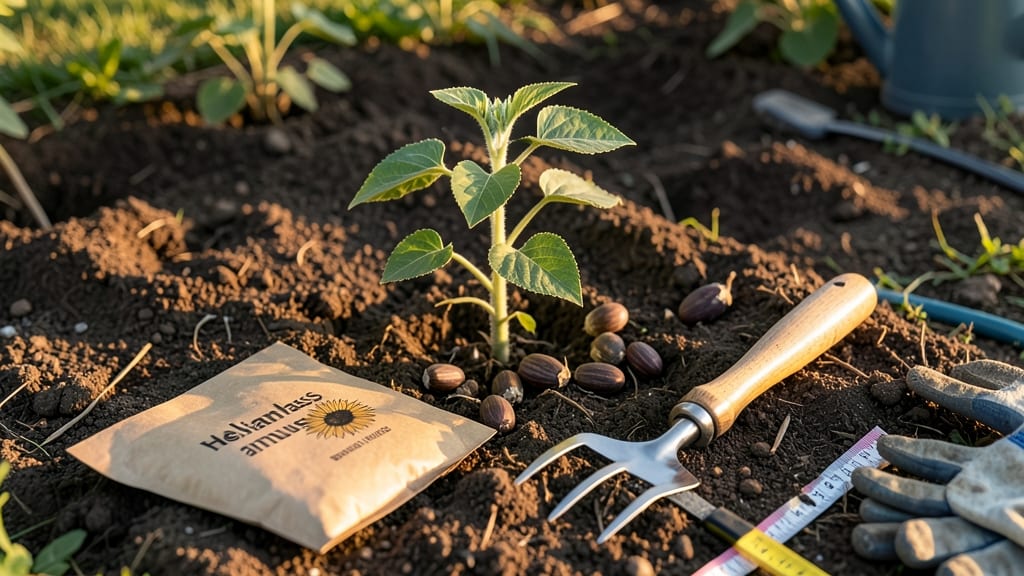
Planting sunflowers in North Florida between March and April ensures they bloom tall and strong before summer heat sets in—skipping this window risks frost-burned seedlings or stunted growth.
Sunflowers thrive under North Florida’s warm sun—but planting at the wrong time means wilting before they bloom. Timing is everything to maximize growth and avoid frost damage, ensuring your garden bursts with golden blooms by summer.
With USDA Zone 8a winters and long, hot summers, the key is to start seeds indoors or sow directly after the last frost (mid-March) when soil warms to 50°F. Coastal areas like Jacksonville can plant slightly earlier, while inland zones like Gainesville should wait until early April.
Below, I’ll break down the best varieties for your region, soil prep tricks to boost growth, and how to stretch the season for fall blooms—so you end up with sunflower stalks taller than you are by August.
North Florida sunflower planting calendar: best months by variety and climate zones
North Florida’s warm climate and long growing season make it ideal for sunflowers—but timing matters. Plant too early, and frost can kill seedlings. Too late, and you’ll miss summer blooms. The key is aligning your variety choice with microclimates like Jacksonville’s coastal warmth or Tallahassee’s inland heat.
Most sunflowers thrive when planted between March and April, but heat-tolerant varieties can handle June sowings for fall blooms.
North Florida spans USDA zones 8a to 9b, meaning last frost dates vary by location. In Jacksonville (zone 8b), you can plant as early as mid-February for early blooms, while Tallahassee (zone 8a) gardeners should wait until late March to avoid frost.
Gainesville (zone 8a) falls in between, with early April as the safest bet. Always check your local frost-free date—a late frost in April can still threaten young plants.
Sunflowers come in two main categories: short-season varieties (ideal for cooler areas) and heat-tolerant types (perfect for North Florida’s summer heat). Short-season varieties like 'Moulin Rouge' (60 days to maturity) should be planted by mid-April to bloom before summer’s peak heat.
Heat-tolerant giants like 'Russian Giant' (120+ days) can handle June plantings, rewarding you with towering blooms in fall’s cooler months.
🌻 North Florida Sunflower Planting Guide by Variety & Location
| Variety Type | Best Planting Window | Ideal Location | Days to Maturity | Height | Notes |
|---|---|---|---|---|---|
| Short-Season Dwarf | Mid-March to early April | All zones (8a-9b) | 50-60 days | 1-3 ft | Best for containers; blooms by June |
| Standard (e.g., 'Teddy Bear') | Late March to mid-April | Zones 8a-8b (Jacksonville, Gainesville) | 70-90 days | 6-8 ft | Classic blooms; avoid Tallahassee’s heat |
| Heat-Tolerant Giant (e.g., 'Russian Giant') | Late April to June | Zones 9a-9b (coastal areas) | 100-120+ days | 10-14 ft | Plant in June for fall blooms; needs staking |
| Succession Variety (e.g., 'Autumn Beauty') | Every 2 weeks from March to June | All zones | 80-90 days | 5-7 ft | Extend blooms with staggered plantings |
| Wildflower Mix | February to early May | Wildlife gardens (all zones) | 60-100 days | 2-6 ft | Attracts pollinators; low-maintenance |
💡 Pro Tip: Use black plastic mulch to warm soil faster in early plantings, or shade cloth for June seedlings to prevent stress.
For Jacksonville gardeners, coastal breezes mean slightly earlier plantings—aim for late February to March for dwarf varieties. The Atlantic Ocean’s moderating effect delays frost, giving you a 2-week head start over inland areas.
In contrast, Tallahassee’s inland heat demands patience: wait until mid-April for standard varieties to avoid summer wilting. Gainesville sits in the middle, with early April as the sweet spot for most types.
Soil temperature is critical—sunflowers won’t germinate well below 50°F (10°C). Use a soil thermometer to confirm readiness. In North Florida, soil temps hit this threshold by mid-March in most areas, but coastal zones may reach it as early as February.
If your soil is too cold, opt for container growing or use row covers to protect seedlings until the ground warms.
Don’t overlook fall plantings for a second bloom cycle. Heat-tolerant varieties like 'ProCut' can be sown in early June for harvests in October-November. This works best in coastal
How to adjust planting dates for North Florida’s unpredictable weather patterns
North Florida’s unpredictable weather can throw off even the most experienced gardener. Late frosts in March or sudden heatwaves in April can turn your sunflower dreams into wilted disappointment. The key is flexibility—adjusting your planting schedule based on real-time conditions rather than relying on a rigid calendar.
Start by monitoring soil temperatures with a simple soil thermometer. Sunflowers need consistent warmth (at least 50°F or 10°C) to germinate properly. If your soil stays cool past mid-March, delay planting until conditions improve.
Coastal areas like Jacksonville may warm up faster than inland zones like Gainesville, so adjust accordingly.
⚠️ WARNING: Late Frost Risk in North Florida ⚠️ North Florida’s USDA Zones 8a-9b still face occasional frosts until mid-March. If you plant sunflowers too early (before March 15), delicate seedlings can suffer frost damage or even die.
Use row covers or wait until the last frost date has passed. For extra protection, start seeds indoors 2-3 weeks before your target outdoor date and harden them off gradually to avoid transplant shock.
⚠️ Critical Frost Alert for Sunflowers
North Florida’s last average frost date is March 15, but late frosts can occur until April 1. If you plant sunflowers before mid-March, use row covers or wait until soil warms to 50°F (10°C). For dwarf varieties, you have slightly more flexibility, but tall sunflowers need consistent warmth to thrive.
For added insurance, plant a backup batch of sunflower seeds 2 weeks later than your initial planting. This staggered approach ensures at least one group of plants survives unexpected frosts or heat stress.
Choose heat-tolerant varieties like ‘Moulin Rouge’ or ‘Autumn Beauty’ for better resilience during North Florida’s summer heatwaves.
If a sudden heatwave hits after planting, provide afternoon shade for young seedlings using shade cloth or a temporary pop-up tent. Mulch around the base with straw or wood chips to retain moisture and regulate soil temperature.
Avoid overhead watering during extreme heat, as it can scorch leaves and stress the plants.
Drought is another North Florida challenge. Once established, sunflowers are drought-tolerant, but young plants need consistent moisture. Water deeply once a week (or more during dry spells) to encourage deep root growth.
Let the top 1-2 inches of soil dry between waterings to prevent root rot while keeping plants hydrated.
By combining soil temperature checks, staggered planting, and weather-proofing techniques, you’ll maximize your chances of golden sunflower blooms—no matter what North Florida throws your way. With these adjustments, your garden will flourish under the sun all season long. 🌻