
Planting
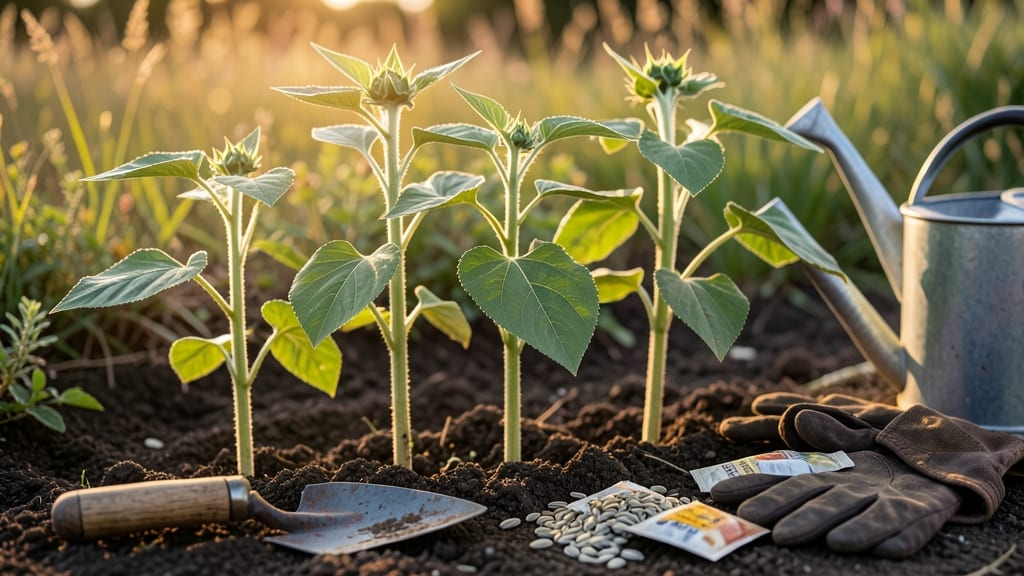
Planting sunflowers in June can still yield strong, vibrant 🌻 blooms if you choose the right varieties and adjust your care routine.
Wondering if June is too late to plant sunflowers? The answer isn’t as simple as you think—with the right techniques, late-season sunflowers can still thrive and even produce sturdier stems than their spring-planted counterparts.
In USDA Zone 6a, where frost-free days stretch into October, June-planted sunflowers have ample time to mature before cooler weather arrives. The key lies in selecting fast-maturing varieties that reach harvest by October, avoiding the risks of early frost.
Below, I’ll share the best sunflower types for late planting, soil prep tips to prevent leggy growth, and a watering schedule that keeps roots cool in summer’s peak heat. With these adjustments, your June sunflowers could surprise you with taller stems and brighter blooms than you’d expect!


June sunflower planting: ideal varieties and climate considerations
June can absolutely be the perfect time to plant sunflowers—if you choose the right varieties and understand your local climate. Many gardeners assume spring planting is essential, but late-season sunflowers often develop thicker stems and hardier blooms when grown in warmer temperatures.
The key lies in selecting fast-maturing varieties and accounting for your USDA hardiness zone.
Sunflowers thrive in USDA zones 2-11, but June planting success depends heavily on your region. In cooler northern zones (3-6), you’ll want varieties that mature in 60-75 days to avoid early frost.
Meanwhile, gardeners in warmer southern zones (7-11) can experiment with slightly longer-maturing types, though heat tolerance becomes a critical factor during summer months.
Here’s what you need to know about June sunflower varieties and how climate affects their growth:
| Variety | Days to Mature | Height | Heat Tolerance | Best for Zones |
|---|---|---|---|---|
| 'Autumn Beauty' | 60-75 days | 3-5 ft | High | 3-10 |
| 'Moulin Rouge' | 65-80 days | 5-6 ft | Very High | 4-11 |
| 'Teddy Bear' | 50-60 days | 1-3 ft | Moderate | 2-9 |
| 'Russian Giant' | 80-120 days | 10-14 ft | Moderate | 5-10 |
| 'Sunspot' | 55-65 days | 2-4 ft | High | 3-11 |
For gardeners in USDA zones 3-6, prioritize dwarf or semi-dwarf varieties like 'Teddy Bear' or 'Sunspot'—these mature quickly and handle shorter growing seasons better.
In zones 7-11, you can push the envelope with taller varieties like 'Russian Giant', but be prepared for intense summer heat by providing consistent moisture and afternoon shade during peak temperatures.
One of my favorite June planting strategies is to use succession planting with fast-maturing varieties. By staggering 2-3 plantings every 2 weeks in June, you can enjoy continuous blooms through early fall. This works especially well in warmer climates where frost arrives late.
Heat stress is the biggest challenge for June sunflowers, particularly in southern regions. Look for varieties labeled as heat-tolerant, and always plant in well-draining soil to prevent root rot.
Mulching with straw or wood chips helps retain moisture and regulates soil temperature, which is crucial during midday heat waves.
Don’t overlook wind resistance when selecting June varieties. Tall sunflowers planted late in the season may struggle with late-summer storms. Choose varieties with thicker stems, like 'Autumn Beauty', which are less likely to snap under strong winds.
Staking taller varieties can also provide extra support as they mature.
If you're in a transition zone (6-8), pay close attention to your first frost date. Aim to plant varieties that will reach 50% maturity before September 1st to ensure blooms have time to develop.
Tools like the USDA Plant Hardiness Zone Map can help you estimate your local frost risk.
My personal June planting rule: When in doubt, plant smaller. Dwarf varieties may not reach the dramatic heights of their spring-planted cousins, but they often produce more abundant blooms and are far less likely to suffer from heat exhaustion or disease pressure later in the season.
With the right variety selection and climate awareness, June sunflowers can become one of your garden’s most reliable late-season performers. The key is balancing maturity timing with heat tolerance—and don’t forget to enjoy the process!
Watching sunflowers grow from tiny seedlings to towering blooms in just 8-10 weeks is one of gardening’s greatest rewards. 🌻
Step-by-step guide: planting sunflowers in June for maximum growth
June might seem late for planting sunflowers, but with the right approach, you can still grow tall, vibrant blooms that outshine spring-planted varieties. The key lies in soil preparation, spacing strategies, and heat-smart watering.
Sunflowers planted in June often develop sturdier stems because they grow rapidly during warm summer months, making them less prone to flopping.
Before you plant, focus on creating an environment that mimics their natural open-field conditions. Sunflowers thrive in well-draining soil with plenty of nutrients, and June heat means you'll need to pay extra attention to moisture retention without overwatering.
Let’s break down the exact steps to ensure your sunflowers grow strong and healthy despite the summer heat.
Your June Sunflower Planting Roadmap
Opt for fast-maturing varieties like 'Autumn Beauty' or 'Moulin Rouge' (50-60 days to maturity). These thrive in hotter conditions and produce blooms before fall frost.
Test your soil’s pH (6.0-7.0 ideal) and amend with compost or aged manure. Sunflowers hate soggy roots, so ensure 6+ inches of drainage by mixing in perlite if needed.
Sow seeds 1 inch deep, spacing them 6 inches apart in rows 18-24 inches apart. This spacing prevents crowding and improves air circulation.
Water once every 2-3 days in deep soaks (1-2 inches) to encourage deep root growth. Avoid wetting leaves to prevent powdery mildew.
Plant in the sunniest spot possible—6+ hours of direct sunlight daily. If using containers, place them where they get full morning sun to avoid afternoon heat stress.
Apply 2-3 inches of mulch (straw or wood chips) around plants to retain moisture and regulate soil temperature. Replenish mulch every 4-6 weeks.
Once your sunflowers are planted, monitor them closely for the first 30 days—this is when they’re most vulnerable to heat stress. If you notice