
Plants
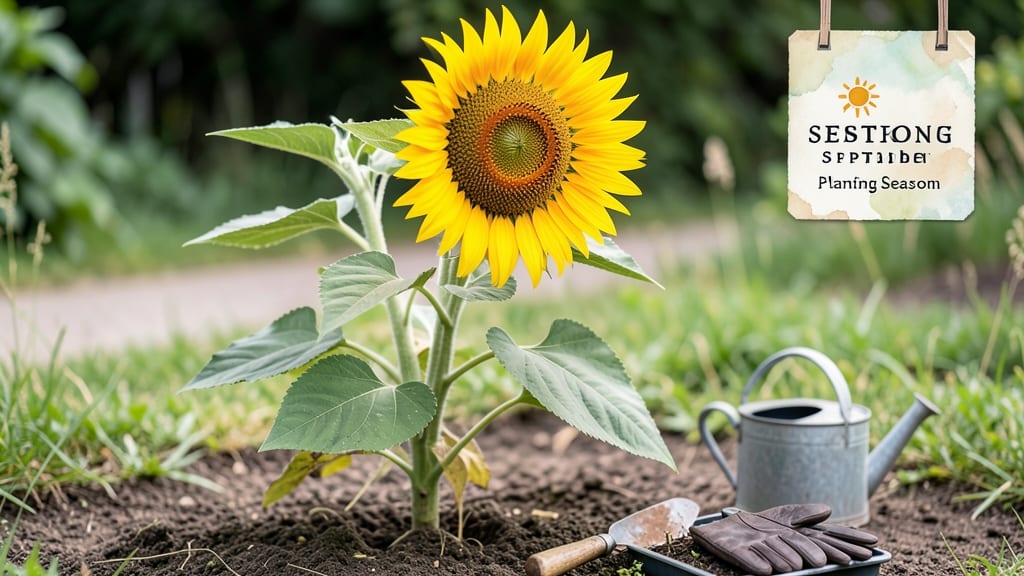
Planting sunflower seeds in South Africa after the last frost gives you the tallest, most vibrant blooms 🌻 — a 60–120-day window to harvest before winter sets in.
If you’ve ever watched your sunflowers struggle through a late frost or bolt too early in the heat, you know timing is everything.
South Africa’s varied climates mean the "right" month shifts from spring in the Cape to autumn in the Free State, and getting it wrong can mean stunted stems or no harvest at all.
Most regions hit their frost-free window between September and November, but coastal areas like Durban can plant year-round. We’ll break down the exact months for your region, plus soil prep tricks to ensure your seeds germinate fast and grow tall.
By the end, you’ll know not just when to plant, but how to protect your sunflowers from frost, heat stress, and pests—so you end up with 10-foot giants instead of sad, short stalks.
South Africa’s frost-free planting windows by region for maximum sunflower height
South Africa’s diverse climates mean your sunflower planting timing should vary dramatically from Cape Town to Johannesburg to Durban. The key to tallest stems (often 10+ feet) lies in planting after the last frost and before extreme summer heat.
Coastal regions like Durban enjoy year-round planting, while highland areas like Free State need precise timing to avoid frost damage. Let’s break down the frost-free windows for each major region.
Sunflowers thrive in warm soil (above 10°C) and need 6+ hours of sunlight daily. In winter rainfall areas (like the Western Cape), plant in autumn for summer blooms, while summer rainfall regions (e.g., KwaZulu-Natal) can sow in late winter.
The optimal planting window ensures your sunflowers reach their maximum height potential before flowering.
Here’s a region-by-region breakdown of frost-free dates and ideal planting windows for tall sunflower varieties like ‘Russian Giant’ or ‘Mammoth’:
| Region | Last Frost Date | Optimal Planting Window | Late-Summer Fallback | Expected Height |
|---|---|---|---|---|
| Cape Town & Western Cape | Mid-July to early August | August–September (autumn) | February–March (late-summer) | 8–12 ft |
| Johannesburg & Gauteng Highlands | Late July to early August | September–October (spring) | March (early autumn) | 6–10 ft |
| Durban & KwaZulu-Natal | None (coastal) | Year-round (best in spring: Sept–Nov) | February–April (late-summer) | 10–16 ft |
| Free State & Mpumalanga | Early August | October–November (spring) | February (early autumn) | 5–9 ft |
| Northern Cape (e.g., Upington) | None (arid) | March–April (autumn) or September (spring) | October (late spring) | 4–8 ft |
In Cape Town, plant sunflower seeds in August–September to avoid winter chills and ensure full sun exposure during the growing season. The Western Cape’s Mediterranean climate means late-summer plantings (February–March) can still yield tall stems if given consistent water.
Use dwarf varieties like ‘Teddy Bear’ if planting late, as they mature faster.
For Johannesburg’s cooler highlands, wait until September–October when soil temperatures rise above 10°C. Staggered plantings in March can extend your harvest into late autumn, but expect slightly shorter stems due to shorter daylight hours. Use row covers if frost threatens in May–June.
Durban’s subtropical climate is ideal for giant sunflowers, with year-round planting possible. For maximum height, focus on spring plantings (September–November) when rainfall is abundant. Late-summer sowings (February–April) work well too, but prioritize well-draining soil to prevent root rot in the humid coastal air.
In frost-prone areas like the Free State, plant only after early August to avoid frost damage. Choose early-maturing varieties (60–75 days) for a reliable harvest before winter sets in. Mulching with straw can protect young seedlings from unexpected cold snaps in May–June.
The Northern Cape’s arid conditions demand early autumn plantings (March–April) to take advantage of winter rains. If planting in spring (September), ensure deep watering every 5–7 days to
How soil temperature and day length affect sunflower germination in South Africa
Sunflower seeds in South Africa need warm soil and the right daylight hours to germinate properly. The critical soil temperature for germination is 10°C (50°F) or warmer, but ideal sprouting happens at 18-24°C (64-75°F).
If your soil is colder, seeds may rot instead of sprouting, while temperatures above 30°C (86°F) can cause uneven germination.
Day length also plays a key role. Sunflowers are long-day plants, meaning they need 12+ hours of daylight to trigger germination and flowering. In South Africa’s summer rainfall regions (e.g., Gauteng, Free State), this aligns naturally with spring planting (September-October).
In winter rainfall areas (e.g., Cape Town, Western Cape), autumn planting (March-April) works best.
Here’s how these factors interact to determine your planting window:
- 🌡️ Soil Temp ≥10°C: Wait until soil warms to 10°C (50°F)—use a soil thermometer to check. In Johannesburg, this is typically late August; in Cape Town, late February.
- ☀️ 12+ daylight hours: Plant when days exceed 12 hours of sunlight. Use a sunlight tracker app to monitor. Coastal areas hit this in September-October; inland areas in November.
- 🌱 Early varieties: Choose dwarf or semi-dwarf types (e.g., 'Teddy Bear') for cooler climates. Plant 2 weeks earlier than standard varieties to avoid frost.
- 🌻 Late varieties: Opt for tall, heat-tolerant types (e.g., 'Russian Giant') in hot regions. Plant 1-2 months later to avoid bolting in summer heat.
- 📅 Adjust for altitude: High-altitude areas (e.g., Drakensberg) need earlier planting (July-August). Coastal areas can plant year-round but avoid winter (June-July).
For example, in Johannesburg (USDA Zone 9a), I plant dwarf sunflowers in September when soil hits 15°C (59°F) and days are 12+ hours long. In Cape Town (Zone 9b), I wait until March when soil warms to 18°C (64°F) and daylight exceeds 12 hours again after winter.
If you’re in a frost-prone area, use row covers to protect young seedlings. For hot climates, plant shade cloth initially to prevent bolting. Always soak seeds overnight before planting to speed germination in dry conditions.
Pro tip: Test your soil’s moisture retention before planting. Sunflowers need well-draining soil but consistent moisture. Amend clay soil with compost or sand to improve drainage.