
Plants
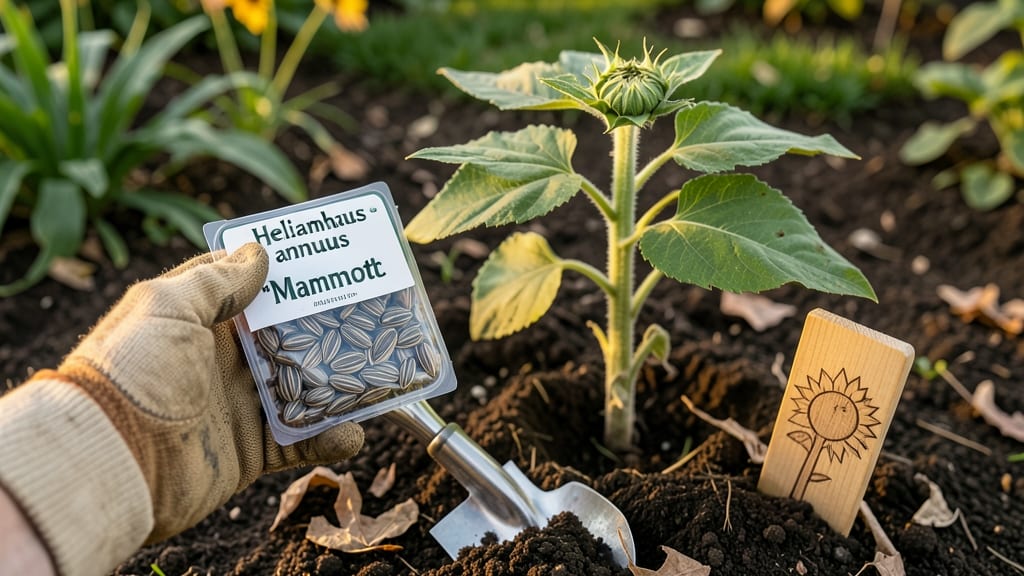
To plant sunflower seeds in Wisconsin, time your sowing between mid-April and late June — when soil temperatures hit 55°F and frost risk fades for good.
Wisconsin’s unpredictable spring weather can make planting sunflowers a guessing game—but timing these cheerful giants right ensures a bountiful harvest. Get the exact frost-free dates by zone to maximize your sunflower seeds' growth potential.
In USDA zones 5a-6b, most gardeners wait until after the average last frost date (April 15) before direct sowing, though early varieties can handle cooler soil if protected. If you start indoors, begin 4-6 weeks before your target outdoor date.
Below, I’ll break down the best planting windows by region, how to adjust for late frosts, and the fastest-maturing sunflower varieties that thrive in Wisconsin’s short growing season.
Wisconsin sunflower planting calendar by hardiness zone
Wisconsin’s five USDA hardiness zones (3a-5b) create unique planting windows for sunflowers—from the coldest northern reaches to the milder southern regions. Knowing your exact frost-free dates and adjusting for early vs. late varieties is key to avoiding frost damage while maximizing your sunflower harvest.
Let’s break down the best times to plant by zone, including both direct sowing and indoor starting methods.
For Zone 3a (northern Wisconsin, like Superior), the average last frost date is around May 15, while Zone 5b (southern Wisconsin, like Madison) sees its last frost by April 20. These dates shift the ideal planting window by 3-4 weeks, so your zone matters.
Sunflowers thrive in warm soil (55°F+), so always check soil temperature before planting to avoid stunted growth.
Here’s a zone-by-zone breakdown of when to plant sunflower seeds in Wisconsin, including indoor sowing for early starts and outdoor transplanting timelines. This ensures your sunflowers get a head start before Wisconsin’s unpredictable late frosts or early heatwaves.
If you’re in Zone 3a or 3b, starting sunflower seeds indoors by mid-March gives them a 4-6 week head start before transplanting outdoors after the last frost.
For Zones 4a-5b, you can direct sow as early as late March (if soil is warm enough) or wait until mid-April for safer results. Transplanting seedlings is ideal for extending your growing season, especially in colder zones.
For early varieties (like 'Teddy Bear'), aim
How to adjust planting for Wisconsin’s unpredictable weather
Wisconsin’s late spring frosts and short growing season can derail even the best-laid sunflower planting plans. But with a few smart adjustments, you can extend your sunflowers' growing window and protect tender seedlings from Mother Nature’s surprises.
The key lies in soil temperature checks, protective coverings, and knowing when to direct-sow seeds for maximum success.
First, always wait until the soil temperature reaches at least 55°F—this ensures your sunflower seeds won’t sit cold and damp, which can cause rot. Use a soil thermometer to check, especially in northern Wisconsin zones where the ground warms slower.
If you’re eager to start early, consider indoor sowing 2-3 weeks before your last frost date, then transplant hardened-off seedlings outdoors.
⚠️ callout warning ⚠️
Wisconsin’s average last frost date is April 15, but northern zones (3-4) can see frost as late as May 10. If you plant sunflower seeds too early and a late frost hits, your seedlings may suffer stunted growth or even die. Use row covers or cold frames for the first 2 weeks to shield young plants. For direct sowing, wait until May 15 in most of Wisconsin to minimize frost risk.
For direct-sowing sunflowers, look for these readiness signs before planting: soil is crumbly, no frost warnings for 10 days, and daytime temps stay above 60°F. Plant seeds 1 inch deep and 12 inches apart for standard varieties. If you miss the window, don’t panic—sunflowers are hardy annuals that can often recover from light frost once they’ve sprouted. However, avoid planting after July 1 in most of Wisconsin, as short daylight hours will prevent them from reaching maturity.
Protective coverings like floating row covers or cloche tunnels can buy you an extra 2-3 weeks of frost protection for early seedlings. Remove covers during the day to let sunlight reach the plants, but secure them at night if temperatures drop below 40°F.
Another trick? Plant sunflowers near tall perennials or fence lines to create a microclimate that warms up faster in spring. This can shave off critical days of slow early growth.
If a late frost does strike after planting, focus on watering deeply and mulching heavily to help plants recover. Sunflowers are resilient, and with consistent moisture, they’ll often bounce back within a week.
For a backup plan, keep a few seeds indoors until late May—just be sure to harden them off properly before transplanting to avoid shock.
Finally, pay attention to your sunflowers’ growth rate as a gauge for Wisconsin’s weather. If they’re sprouting slowly or staying stunted, it’s a sign to adjust your planting strategy for next year.
Fast-maturing varieties like ‘Moulin Rouge’ (55 days) or ‘Autumn Beauty’ (60 days) are your best bets for reliable harvests in shorter seasons. With these adjustments, you’ll turn Wisconsin’s unpredictable weather into an advantage—not a setback.