
How To
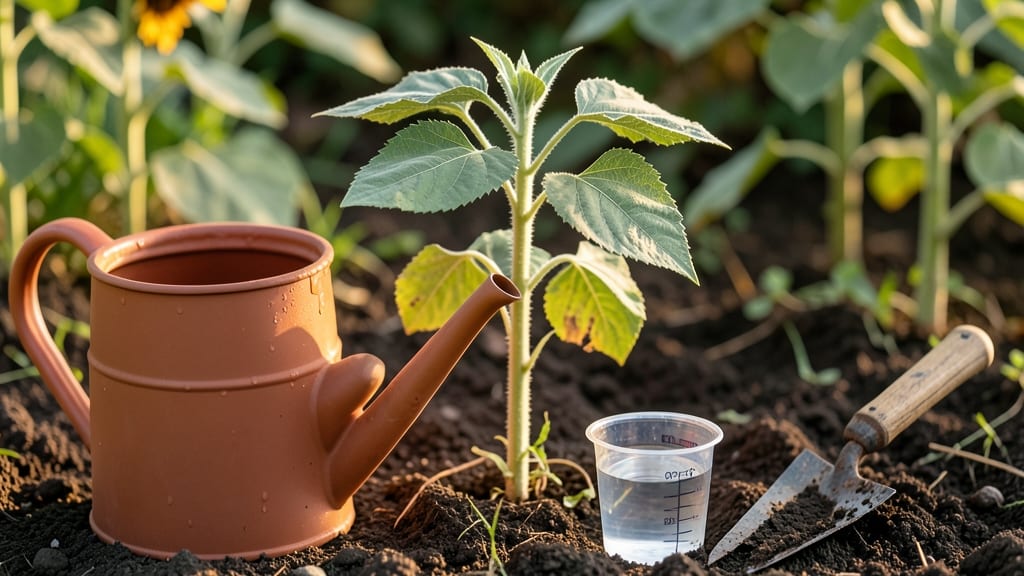
Watering sunflower seeds too often or too little can stall germination—here’s the exact schedule to keep them sprouting fast and strong.
Struggling to get your sunflower seeds to sprout? The secret isn’t just patience—it’s the perfect watering schedule that keeps soil moist but never soggy. Get this right, and you’ll see those first green shoots break through in just days.
Most gardeners overthink it: sunflower seeds need consistent moisture, but not a swamp. A simple rule—water when the top inch of soil feels dry—works for 90% of climates, but adjustments are key for hot or cold zones.
Below, I break down the ideal watering frequency by stage, how to spot over/under-watering, and climate tweaks to ensure your 🌻 seeds germinate like clockwork.
Sunflower seed watering schedule by germination stage (with exact timing)
Getting your sunflower seeds to sprout consistently starts with one critical factor: watering precision. Unlike mature sunflowers that tolerate drought, seeds demand consistent moisture without becoming waterlogged. The key is maintaining even soil dampness—not soggy, not dry—during their first 10-14 days of growth.
I’ve learned this the hard way: too much water drowns them, too little starves their tiny roots.
Your sunflower germination journey has three distinct watering phases: pre-sprout (days 1-3), sprout emergence (days 4-7), and seedling establishment (days 8-14). Each stage requires slight adjustments in frequency and technique. The biggest mistake I see? Gardeners water on a schedule rather than by soil conditions. Let’s fix that.
During the pre-sprout stage, your seeds need constant moisture to activate enzymes that break down their food supply. I recommend using a spray bottle to mist the soil lightly twice daily—morning and evening—until you see tiny cracks appear on the soil surface.
This tells me the seeds are ready to drink but haven’t yet sprouted. Pro tip: Place your tray on a damp paper towel underneath to maintain humidity without overwatering.
The sprout emergence stage is where most gardeners make their first mistake. Once you spot those green hooks breaking through, reduce frequency to daily light watering. Overwatering now causes seed rot—I’ve lost entire trays this way.
Test soil moisture by sticking your finger 1 inch deep: if it feels dry at this level, it’s time to water. If it’s damp, wait another 12 hours. Remember, sunflower seeds contain oil-rich reserves that need oxygen to germinate properly.
By day 8, your seedlings should have 2-3 true leaves and be ready for the seedling establishment phase. This is when you can space out waterings to every 3-5 days, depending on your climate.
In hotter zones (USDA 9-11), I water every 2-3 days using a watering can with a fine rose to avoid disturbing the delicate stems. For cooler climates (USDA 3-6), every 5 days works perfectly.
Always water at soil level—never overhead—to prevent fungal diseases like damping off.
Here’s my fail-proof soil moisture test that works every time: Grab a handful of soil near your seeds and squeeze gently. If it holds its shape like playdough, you’re overwatering. If it crumbles instantly, it’s too dry.
The ideal texture should feel like a damp sponge—firm but not soggy. I keep a small moisture meter handy (they’re cheap!) because visual cues can be deceiving, especially in sandy soils that dry out faster.
Environmental factors play a huge role in adjusting your schedule. If you’re growing in high humidity (70%+), reduce watering by 25%—the air already provides moisture.
In dry climates (30% humidity or less), increase frequency by 30% and consider using a clear plastic dome over your seed tray to trap moisture. I once grew sunflowers in Arizona’s desert heat by placing trays on gravel beds to prevent heat from baking the soil dry.
Always position your seeds in partial shade during the first week to prevent soil evaporation.
One common question I get: “Can I use tap water?” The answer depends on your water’s chlorine content. If your water has a strong chemical smell, let it sit 24 hours before using or invest in a dechlorinator.
I’ve seen chlorine burn delay germination by up to 5 days. For best results,
Common watering mistakes that kill sunflower sprouts (and how to fix them)
Sunflower seeds need consistent moisture during germination, but too much—or too little—water can kill your sprouts before they even emerge. I’ve seen rotting seeds from overwatering and dried-out soil from underwatering, both leading to failed sprouts.
The key is finding that delicate balance between keeping the soil damp and preventing waterlogged conditions.
Most gardeners make one of two mistakes: either they drown the seeds with daily watering or they forget to check soil moisture at all. Sunflower seeds need consistent dampness, not soggy conditions.
If you’re using containers, this is especially critical because water evaporates faster, and roots can suffocate if the soil stays too wet.
How often to water sunflower seeds: Keep soil consistently moist (like a damp sponge) but never soggy. Water every 1-2 days in warm weather, every 2-3 days in cooler conditions. Stop watering once sprouts appear—overwatering at this stage causes root rot and kills seedlings.
One of the first signs of overwatering is yellowing leaves or a foul smell from the soil. If your seeds stay underwater for more than 3-4 days, they’ll dry out and fail to sprout.
To test soil moisture, stick your finger 1 inch deep—if it feels dry, it’s time to water. If it’s sticky or clumps together, you’ve overdone it.
To prevent root rot, always use well-draining soil mixed with perlite or sand. I recommend a 50/50 blend of potting soil and coarse sand for containers. If you’re planting outdoors, choose a spot with good drainage—sunflowers hate sitting in water.
Raised beds are ideal because they allow excess water to drain away quickly.
Another common mistake is watering at the wrong time. Always water in the morning so excess moisture evaporates during the day. Nighttime watering can lead to fungal diseases like damping-off, which turns seedlings into mushy stems overnight.
If you must water in the evening, make sure the soil dries out by the next morning.
Once your sunflower sprouts have 2-3 true leaves, reduce watering slightly. At this stage, they need deep but less frequent watering—about once every 5-7 days depending on your climate.
Pay attention to the soil surface: if it’s cracked or dry to the touch, it’s time to water. Mulching around the base helps retain moisture without overwatering.