
Plants
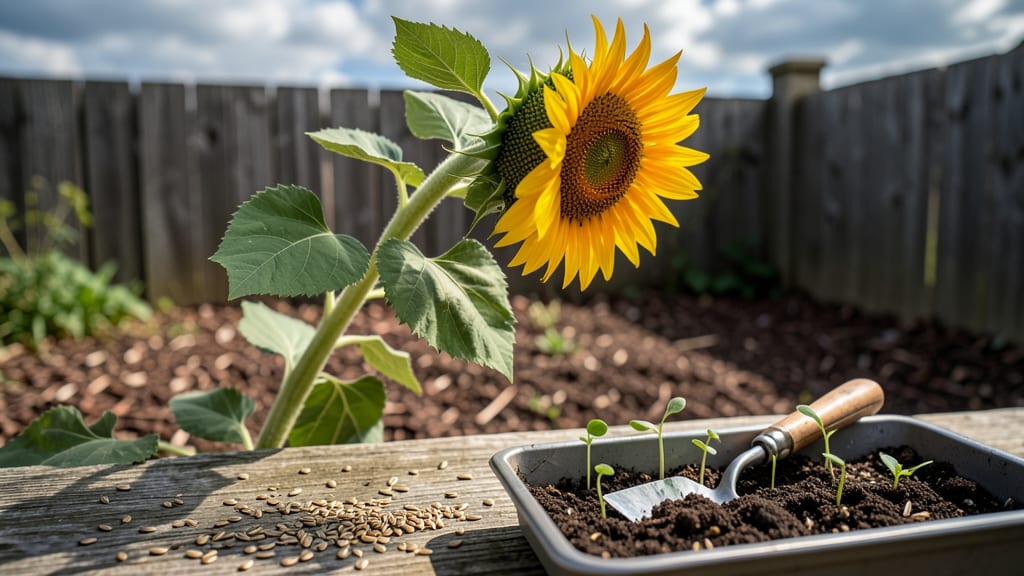
To plant sunflower seeds in NC at the right time means catching that narrow window between last frost and summer’s scorching heat — and missing it can leave you with stunted plants or no blooms at all.
Picture this: you’ve picked out your favorite 🌻 varieties, cleared the garden bed, and then—whoosh—June hits, and your seeds never even sprout. That’s why timing matters more than you might think, especially when NC’s 6b-8a zones throw in everything from coastal breezes to mountain chill.
Spring planting starts as early as late April in the southern part of the state, but up in the mountains, you’ll want to wait until mid-May. Fall planting?
Early August is your best bet for a second harvest before frost sets in. The key is balancing soil warmth, moisture, and those tricky NC microclimates.
Below, I break down the exact planting windows for your zone, the fastest-growing varieties for NC’s heat, and how to adjust for sandy soils or urban heat islands. Ready to grow sunflowers that tower over your fence? Let’s get started.
Best planting months for sunflowers in NC: Zone 7a-8b breakdown
North Carolina's USDA Zones 7a-8b offer two prime windows for planting sunflower seeds, but timing varies dramatically between spring and fall plantings. In Zone 7a (e.g., Asheville, Boone), last frost typically arrives mid-April, while Zone 8b (e.g., Raleigh, Wilmington) can start as early as late March.
This zone difference means your planting window could shift by 2-3 weeks depending on location.
For spring planting, aim for late April to mid-May in Zone 7a and early April to late May in Zone 8b. These dates align with soil temperatures reaching the 55-60°F range—ideal for sunflower germination.
Fall plantings should occur 8-10 weeks before first frost, which means early August to mid-September in most of NC. Fall sunflowers often produce larger blooms because they avoid summer heat stress.
Direct sowing is the best method for sunflowers in NC, as they hate transplanting. Their taproots develop quickly, making seedlings vulnerable to root damage. If you choose to transplant, do so only when seedlings are 2-3 inches tall and handle them with extreme care.
For direct sowing, plant seeds 1 inch deep and 6-12 inches apart, then thin to 12-24 inches apart once they reach 3-4 inches tall.
| Zone & Location | Spring Planting Window | Fall Planting Window | Soil Temp for Germination | Frost Risk |
|---|---|---|---|---|
| Zone 7a (Asheville, Boone) | Late April - Mid-May | Early August - Mid-September | 55-60°F | High (last frost: mid-April) |
| Zone 7b (Charlottesville, VA border) | Early April - Late May | Mid-July - Early September | 50-55°F | Moderate (last frost: early April) |
| Zone 8a (Greensboro, Winston-Salem) | Early April - Early June | Late July - Late September | 50-55°F | Low (last frost: late March) |
| Zone 8b (Raleigh, Wilmington) | Late March - Mid-June | Early August - Early October | 50-55°F | Very Low (last frost: late February) |
Choosing the right sunflower variety can extend your planting window. Early varieties like 'Teddy Bear' (50-55 days to maturity) thrive when planted in late March to early April in Zone 8b, while late varieties like 'Moulin Rouge' (120+ days) should go in mid-May to avoid summer bolting.
For fall plantings, dwarf varieties like 'Pole Star' (60-70 days) work well because they mature faster before frost.
Soil temperature is critical for sunflower germination. Use a soil thermometer to confirm your soil is at least 50°F before planting. In cooler zones like Zone 7a, wait until soil reaches 55-60°F to avoid slow germination.
If your soil is too cold, try black plastic mulch to warm it faster. Once seeds sprout, they grow quickly—expect 1-2 inches per day in ideal conditions.
Frost risk is the biggest timing challenge in NC. Even in Zone 8b, a late frost in April can damage young sunflowers. To mitigate this, plant succession crops every 2 weeks from April to June for continuous blooms. For fall plantings, aim for 8-10 weeks before first frost
How to adjust sunflower planting for NC’s microclimates and soil types
North Carolina’s diverse regions—from the Piedmont’s rolling hills to the Coastal Plain’s sandy soils—create unique challenges for sunflower growers. Your planting strategy should shift based on whether you’re in Raleigh’s clay-heavy soil or Wilmington’s loose coastal sand.
Even urban gardens in Charlotte’s heat islands behave differently than rural farms in the mountains. Let’s break down how to adapt your approach for each scenario.
First, consider your local microclimate. Coastal areas like Outer Banks experience milder winters and warmer springs, allowing earlier plantings (as early as late March). Meanwhile, Asheville’s high-altitude zones (Zone 7a) need to wait until after mid-April when soil temperatures reach 60°F.
Urban gardens often face heat retention, so morning shade can prevent seedling stress during hot afternoons.
Soil type dictates your watering and fertilization needs. Sandy soils (common in coastal areas) drain quickly, requiring weekly deep watering and regular compost top-dressing.
In contrast, clay soils (Piedmont) hold moisture too long—amend with sand or peat moss and space plants 18–24 inches apart to prevent fungal diseases like powdery mildew.
For drought-prone areas, opt for 'ProCut Hybrid' or 'Moulin Rouge'—both tolerate NC’s variable rainfall and heat. Pair sunflowers with marigolds to repel nematodes or beans to fix nitrogen in poor soils. In urban containers, mix 50% potting soil with 50% coconut coir to improve aeration and moisture retention.
Adjust your fall planting based on region too. Coastal areas can sow seeds as late as September 1, while Piedmont gardens should finish by August 15.
Always check soil temperature—seeds need at least 55°F to germinate. Use a soil thermometer for accuracy, especially in microclimates like north-facing urban lots.
Remember: Sunflowers are resilient, but local tweaks make all the difference. Whether you’re battling sandy soil erosion or clay compaction, these adjustments will help your sunflowers thrive across NC’s diverse landscapes. 🌻