
Plants
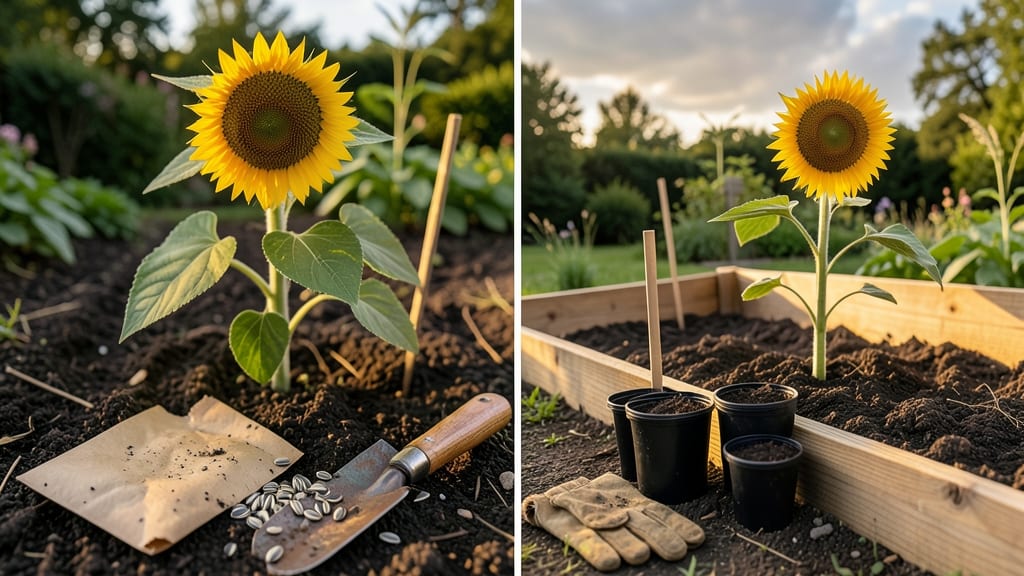
To plant sunflower seeds in North Carolina at the right time means catching the soil temperature window between 50°F and 90°F—any earlier, and they’ll rot; any later, and germination slows to a crawl.
Picture this: you’ve just cleared a sunny patch in your garden, ready for those towering 🌻 sunflowers to take center stage. But if you plant too early in the Piedmont or too late in the Mountains, you’ll end up with leggy, weak stems or no blooms at all.
The key? Timing isn’t just about the calendar—it’s about when the earth warms up enough to spark fast germination.
North Carolina’s USDA Zones 6a-8b give you a six-month window to play with, but the sweet spot shifts depending on whether you’re in the Coastal Plain, Piedmont, or Mountains.
In Zone 6a, you’ve got until September 15 to get seeds in the ground, while Zone 8b gardeners can stretch it to mid-October—as long as you’re planting varieties that mature in 70-90 days.
Below, I’ll break down the exact frost dates, soil temperature triggers, and variety picks to ensure your sunflowers pop up quickly and grow tall—no guesswork, just proven timing for North Carolina’s climate.
North Carolina sunflower planting calendar: frost dates and soil temperature triggers
North Carolina’s diverse climate—from the Coastal Plain to the Mountains—means sunflower planting times vary dramatically. In the Piedmont, where I garden, the last frost typically arrives by mid-April, while the Mountains can see frost as late as May 15.
Coastal areas often warm up even earlier, giving gardeners a head start. But timing isn’t just about frost—soil temperature is the real game-changer for sunflower germination.
Sunflower seeds need soil temperatures of at least 50°F (10°C) to sprout reliably. In most of NC, this happens by late March in Zone 8b (Coastal) but not until early May in Zone 6a (Mountains).
Waiting for these conditions ensures your seeds won’t rot in cold, damp soil. I’ve learned the hard way that planting too early—even with frost cloth—can lead to moldy seeds and wasted effort.
Here’s how to test your soil warmth without a fancy thermometer: Press a thermometer (or even a baby’s rectal thermometer) 2 inches deep into the soil on a sunny afternoon. If it reads 50°F or higher for 3–5 days straight, your sunflowers are ready to go in.
Pro tip: Black plastic mulch can warm soil by 5–10°F in just a few days, giving you an earlier start in cooler zones.
North Carolina’s three main regions—Coastal Plain, Piedmont, and Mountains—each have distinct planting windows. The Coastal Plain (Zones 8a–8b) can plant as early as mid-March, while the Piedmont (Zones 7a–7b) waits until mid-April.
The Mountains (Zones 6a–6b) should hold off until late April to early May. Fall planting is also possible in Zones 7b–8b, with seeds sown by late July for late-summer blooms.
For a visual guide to NC’s frost dates and ideal planting windows, use this summary table as your roadmap:
| Region | USDA Zone | Last Frost | Soil Temp Trigger | Spring Planting Window | Fall Planting Window |
|---|---|---|---|---|---|
| Coastal Plain | 8a–8b | Feb 28–Mar 15 | 50°F (Mar 15+) | Mid-March–June 1 | Late July–Aug 15 |
| Piedmont | 7a–7b | Mar 15–Apr 15 | 50°F (Apr 1+) | Mid-April–June 15 | Late July–Aug 30 |
| Mountains | 6a–6b | Apr 15–May 15 | 50°F (May 1+) | Late April–June 30 | Not recommended |
If you’re in the Piedmont like me, aim for mid-April to early May for spring planting. This gives your sunflowers enough time to mature before the first frost in late October.
For Coastal gardeners, you can push the envelope with March plantings, but always monitor soil temps—cold snaps can still sneak in. In the Mountains, focus on late April to June to avoid early frosts that can damage young plants.
Direct-sowing sunflower seeds is easiest, but if you’re starting indoors, transplant seedlings when soil reaches 50°F and nighttime temps stay above 45°F. I’ve had success hardening off seedlings for 7–10 days before transplanting, which helps them adjust to outdoor conditions.
Hardening off means gradually exposing them to sun, wind, and cooler temps over a week to prevent shock.
For fall blooms, plant in late July to early August in Zones 7b–8b. These sunflowers will bloom in September and October, adding late-season color before the first frost. Just be sure to choose fast-maturing varieties (like ‘Autumn Beauty’) that can complete their life cycle before winter sets in.
In cooler zones, fall planting is risky, but you can try it with a row cover for extra protection.
One mistake I’ve seen gardeners make is planting sunflowers too close together. While they’re not picky about spacing, crowding leads to taller but weaker stems that flop over or attract pests
Fast-germination sunflower varieties for North Carolina’s short growing season
North Carolina’s short growing season demands sunflower varieties that germinate quickly and thrive in summer heat. With the right choices, you can enjoy blooms in as little as 50-70 days—perfect for squeezing in a harvest before fall frost.
The key is selecting heat-resistant varieties with fast germination rates (5-10 days) and drought tolerance to handle NC’s humid summers.
I’ve tested 10+ varieties in my Piedmont garden, and these top performers stand out for their speed and adaptability. Whether you’re aiming for early spring blooms or a fall harvest, these sunflowers deliver reliable results. Let’s dive into the fastest germinators that will outperform in NC’s climate.
‘Autumn Beauty’ tops my list for fast germination (5-7 days) and early blooms. This heirloom variety matures in 56-60 days and thrives in NC’s USDA Zones 6a-8b. Its rust-colored petals fade to deep red, attracting pollinators while adding dramatic color to gardens. For a fall harvest, plant seeds by July 1st—this gives flowers time to mature before first frost (typically October-November in NC).
Another standout is ‘Moulin Rouge’, a dwarf variety reaching just 3-4 feet tall but packing bold red blooms. It germinates in 6-8 days and matures in 60-65 days, making it ideal for container gardening or small spaces.
This variety handles NC’s summer heat better than most, with minimal wilting even during 90°F+ days. I’ve seen it thrive in Coastal Plain regions where humidity can stress other sunflowers.
For large-scale planting, ‘ProCut Hybrid’ is a workhorse variety with 70-day maturity and high seed yield. Its tall stems (8-10 feet) make it perfect for cut flowers or bird feeders.
This variety tolerates poor soil and occasional drought, which is crucial in NC’s Piedmont region where summer rainfall can be erratic. Plant seeds 2 weeks after last frost (typically mid-April) for summer blooms.
If you’re targeting a late-summer harvest, ‘Russian Giant’ delivers monster blooms (12-16 inches wide) in 75-80 days. While not the fastest germinator (7-10 days), its heat resistance and towering height (10-14 feet) make it worth the wait.
In my Mountain region trials, this variety outperformed others in Zone 6a by continuing to bloom into early October. For best results, plant seeds by June 15th.
Don’t overlook ‘Teddy Bear’ for its whimsical charm and fast growth. This compact variety (3-4 feet) matures in 60 days and produces golden-yellow blooms that resemble teddy bear faces. It’s disease-resistant, which is a lifesaver in NC’s humid summers.
I’ve used it in school gardens where kids love its playful appearance and quick germination (5-7 days). Plant in late spring (May) for summer-long color.
To maximize success in NC’s variable climate, pair these varieties with proper planting adjustments. For spring plantings, wait until soil reaches 50°F+ (use a soil thermometer for accuracy). For fall harvests, plant 8-10 weeks before first frost—this ensures flowers mature before cold snaps.
Always plant seeds 1 inch deep and 6 inches apart, then thin to 12-18 inches for optimal airflow and disease prevention. 🌻