
Plants
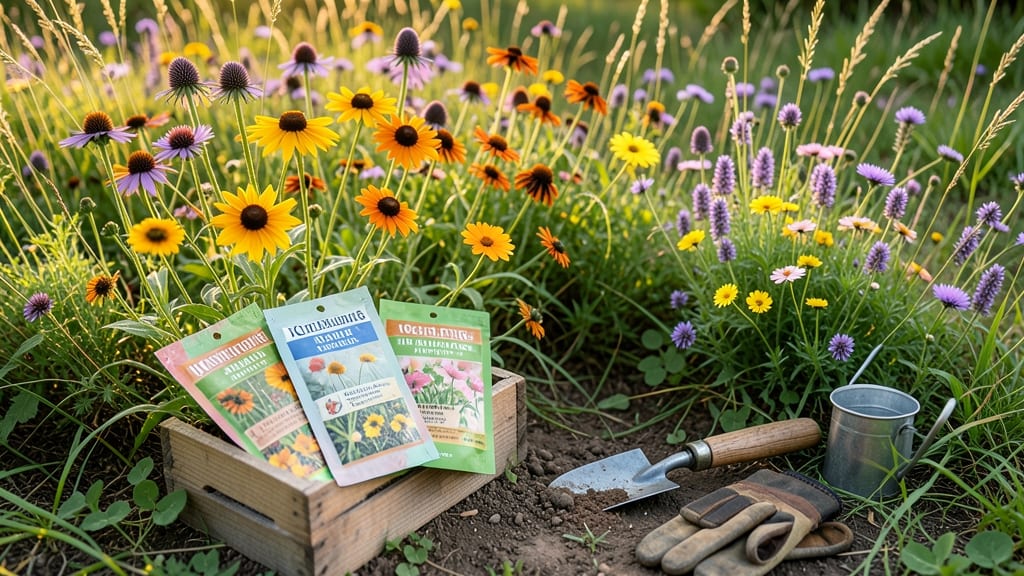
Planting wildflower seeds in North Carolina at the right time ensures vibrant blooms and thriving pollinators—aim for late winter to early spring or late summer to early fall.
Timing is everything when planting wildflower seeds in North Carolina—plant too early and risk frost damage, too late and miss peak blooms. But with NC’s diverse climate zones, the perfect window varies from the mountains to the coast.
Whether you’re in the 6a-8b zones of the Piedmont or the milder coastal regions, choosing the right month makes all the difference. Spring planting (February–April) gives seeds a head start, while fall (August–September) sets roots before winter.
Below, I break down the best months by region, soil prep tips, and how to pick seed mixes that thrive in NC’s weather—so you can enjoy months of color and happy bees.
North Carolina wildflower planting calendar by climate zone
North Carolina’s diverse landscapes—from the Coastal Plain to the Appalachian Mountains—create wildly different conditions for wildflower planting. The last frost dates shift from early March in the mountains to late April near the coast, while first frost arrives as early as October in higher elevations.
To maximize blooms and pollinator benefits, timing your plantings to these microclimates is key.
Wildflowers thrive when planted either in early spring (after frost risk passes) or late summer (for fall blooms). In NC’s USDA Zones 6a-8b, this means targeting March-April for spring blooms or August-September for fall displays.
Each region also has its own native wildflower champions that perform best with local conditions.
Below is your region-specific planting calendar, complete with frost dates, ideal windows, and top-performing wildflower varieties for each of NC’s five climate zones. Use this as your guide to transform your landscape into a pollinator paradise!
🌱
For the Coastal Plain and Tidewater regions, where humidity lingers and summers stay warm, focus on drought-tolerant varieties like Coreopsis and Blanket Flower. These thrive in well-draining soil and full sun, even during NC’s hot, humid summers.
Plant in March-April for spring blooms or August-September to enjoy fall color when temperatures begin to cool.
The Piedmont region, with its rolling hills and moderate climate, is ideal for pollinator magnets like Purple Coneflower and Butterfly Weed. These perennials establish quickly and return year after year.
Aim for March-April plantings to ensure strong root growth before summer heat arrives. A late summer planting in August-September will reward you with fall blooms just as monarchs migrate south.
In the Mountains, where cooler temperatures and shorter growing seasons prevail, prioritize native wildflowers like Mountain Laurel and Wild Columbine. These species are adapted to acidic, rocky soil and partial shade found in higher elevations.
Plant in April-May to avoid late spring frosts, or opt for a July-August planting window to extend the blooming season into early fall.
Regardless of your region, always prepare your soil by loosening the top 6 inches and mixing in compost. Wildflower seeds need good soil contact to germinate, so scatter them lightly and press them into the soil—no need to bury deeply.
Keep the area consistently moist until germination, which typically occurs within 14-21 days for most varieties.
Pro tip: In drought-prone areas, consider using a mulch layer of straw or pine needles to retain moisture and suppress weeds. This is especially helpful in the Sandhills region, where sandy soils drain quickly. Pair your wildflowers with native grasses like Little Bluestem for added resilience and texture.
🌻
Remember, wildflowers are low-maintenance champions once established. After the first year, they’ll require minimal watering and no fertilizing. The key to success lies in choosing the right varieties for your climate zone and planting them at the optimal time.
With this calendar as your guide, you’ll be well on your way to creating a vibrant, pollinator-friendly landscape that thrives year after year.
How to choose wildflower seed mixes for NC’s weather patterns
North Carolina’s diverse climate zones mean your wildflower success depends on matching seed mixes to local conditions. The Coastal Plain’s humidity and Mountain region’s drought require completely different approaches. Start by identifying whether your yard leans toward moisture-loving (coastal) or drought-tolerant (mountains) varieties—this determines 80% of your pollinator success.
Native wildflower mixes like Black-eyed Susans and Purple Coneflowers thrive across NC’s USDA Zones 6a-8b and support local ecosystems better than non-native options. However, non-native Cosmos or Zinnias offer longer bloom seasons if you need summer color. Always check seed packets for NC-specific labels—these indicate proven regional performance.
For spring bloomers like Lupines and Violets, plant in late summer (August-September) to establish roots before winter. Summer-blooming Sunflowers and Marigolds prefer spring planting (March-April) for full-season color. Fall-blooming Goldenrods and Asters bridge the gap between summer and winter interest.
Drought-Tolerant vs. Moisture-Loving Mixes
- Best for: Mountains/Piedmont
- Examples: Coreopsis, Gaillardia, Butterfly Weed
- Water needs: Once established, minimal
- Pollinator benefit: High (bees, butterflies)
- Best for: Coastal Plain
- Examples: Joe-Pye Weed, Swamp Milkweed, Lobelia
- Water needs: Consistent moisture
- Pollinator benefit: Very high (hummingbirds, bees)
Seasonal blooming strategies maximize pollinator benefits year-round. A 3-season mix (spring, summer, fall) ensures continuous nectar for butterflies and bees. For example, plant Virginia Bluebells (spring), Black-eyed Susans (summer), and Asters (fall) together. This creates a 12-month food source with minimal maintenance.
Always test your soil’s pH and drainage before selecting mixes—most NC wildflowers prefer slightly acidic to neutral soil (pH 6.0-7.0). Amend heavy clay soils with compost or sand to prevent waterlogging, which harms moisture-sensitive species like Swamp Milkweed.
For sandy soils in the coast, add organic matter to retain moisture for varieties like Lobelia.
Prioritize native wildflowers for the biggest ecological impact. They require less water, attract more local pollinators, and often outcompete invasive species. For instance, Purple Coneflower supports 133 species of butterflies and moths—far more than non-native alternatives.
Start with 20-30% native seeds in your mix to build resilience quickly. 🌻