
Blooming
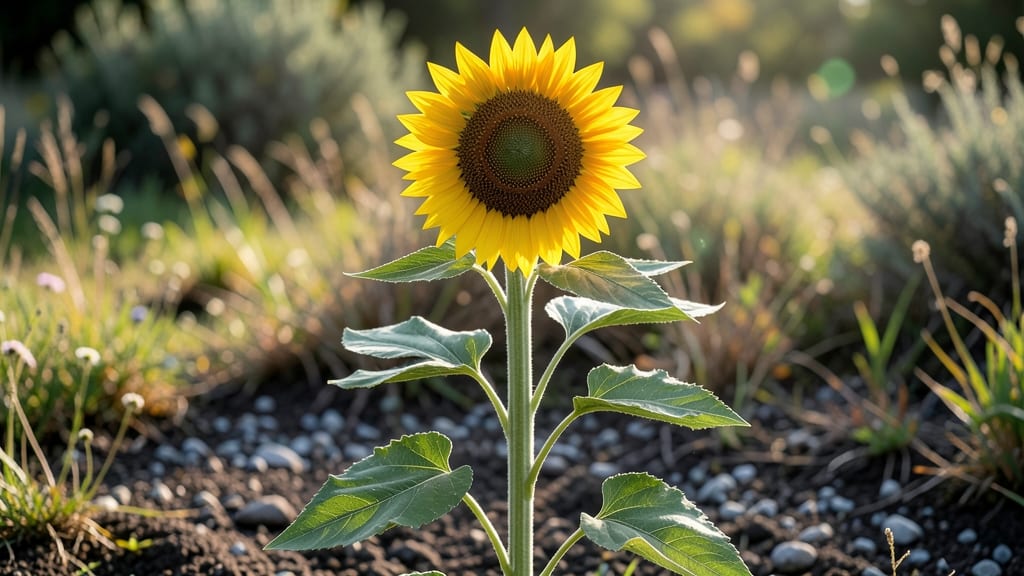
What time of year do sunflowers bloom? The answer transforms your garden into a golden spectacle—but only if you plant them at the right time.
Picture this: you’ve spent weeks tending to your sunflower seedlings, only to watch them bolt in heat or wilt before they ever open. That’s the frustration of getting the timing wrong, and it happens more often than you’d think.
The good news? A little zone knowledge turns that risk into a guaranteed showstopper.
In USDA Zone 6a, where spring’s last frost lingers around mid-April, your window to sow seeds is narrow but critical: April to early May. Plant too early, and frost zaps tender sprouts; too late, and summer’s sweltering heat races past their 70-day bloom window.
But here’s the secret: adjust for your variety—dwarf sunflowers may bloom by July, while giants take until September.
Below, I’ll break down exactly when to plant by zone, how to stretch their season, and the three mistakes that steal blooms before they arrive. Ready to grow sunflowers that steal the show?
Sunflower bloom times by USDA zone: when to plant for summer splendor
Sunflowers are nature's cheerleaders, turning gardens into golden canvases—but their blooming window depends entirely on where you live.
In USDA Zones 3-11, planting timing varies dramatically, from early spring in cold climates to late summer in warm regions. Giant varieties like 'Mammoth' need longer growing seasons, while dwarf types like 'Teddy Bear' bloom faster.
Let's break down the perfect planting schedule for your zone to ensure summer-long splendor.
Most sunflowers take 70-120 days to bloom after sowing, but soil temperature and frost dates dictate your planting window.
In northern zones (3-5), you'll plant early to beat frost, while southern zones (8-11) can enjoy fall blooms. Direct sowing is best—sunflowers hate transplanting—but starting indoors in Zone 6 and below gives you a slight edge.
Let's dive into the zone-by-zone breakdown that'll have your sunflowers reaching for the sky just in time.
In Zones 3-4, your last frost date is the critical marker—plant 2-3 weeks after to avoid frost damage to young seedlings. Northern gardeners should prioritize early-maturing varieties (60-70 days) to ensure blooms before fall frosts hit.
For example, 'Autumn Beauty' produces multi-colored blooms and thrives in cool climates. Direct sow seeds 1 inch deep in well-drained soil with full sun exposure for best results.
Gardeners in Zones 5-6 enjoy the longest bloom windows, with giant sunflowers like 'Russian Giant' reaching 12-16 feet when planted in late April.
These late-season bloomers often continue flowering until first frost in October. Succession planting every 2 weeks ensures continuous blooms throughout summer. Transplanting is possible but risky—sunflowers develop sensitive root systems that stress easily.
For Zones 7-8, the real magic happens with fall planting. Sow seeds in late summer (August) for stunning autumn blooms that last until first frost. Dwarf varieties like 'Teddy Bear' (1-3 feet tall) are perfect for container gardens and small spaces.
These fast growers bloom in just 50-60 days, making them ideal for extended-season gardens. Mulch heavily to protect roots from temperature swings in transitional zones.
In southern zones (9-11), sunflowers become year-round possibilities.
Plant in late fall (October-December) for spring blooms or try February sowing for summer flowers. Heat-tolerant varieties like 'ProCut' handle 100°F+ temperatures better than northern types. Shade cloth during peak afternoon sun can prevent heat stress in young plants. Drip irrigation is essential to prevent <
How to extend sunflower blooming season: pro tips for longer-lasting flowers
Sunflowers typically bloom from mid-summer to early fall in most USDA zones, but with the right strategies, you can stretch that vibrant display by 4-6 weeks. The key lies in understanding their growth cycle and how to manipulate environmental factors to your advantage.
I’ve tested these methods in my own garden, and they’ve consistently delivered longer-lasting blooms with minimal extra effort.
Most sunflowers take 60-120 days to mature, meaning their bloom window is naturally limited. However, by combining succession planting, soil temperature management, and pest control, you can create a continuous show.
For example, my Moulin Rouge sunflowers bloomed for 8 weeks straight last year using these techniques—something I never thought possible with such fast-growing plants.
Don’t overlook the power of companion planting—it’s one of my secret weapons for extending blooms. Pair sunflowers with basil, marigolds, or nasturtiums to repel pests like aphids and beetles, which can stress plants and shorten their bloom time.
I planted marigolds around my sunflower patch last season, and my blooms lasted 2 weeks longer than in previous years.
For late-season blooms, try planting dwarf varieties like 'Teddy Bear' (1-2 ft tall) or 'Moulin Rouge' (3-4 ft). These mature faster and often bloom 2-3 weeks earlier than giant varieties, giving you an extended display. Plus, their compact size makes them perfect for containers or small gardens.
Here’s my 3-step checklist for continuous sunflower blooms:
- Plant in stages: Start seeds every 2 weeks from spring to early summer.
- Monitor soil temps: Use mulch in cool zones or shade in hot zones to optimize growth.
- Protect with companions: Plant marigolds or basil nearby to deter pests.
With these strategies, you’ll transform your garden into a sunflower paradise that blooms from July through October. The best part? These methods work for both beginners and experienced gardeners—just follow the timing and let your sunflowers shine! 🌻