
Flowers
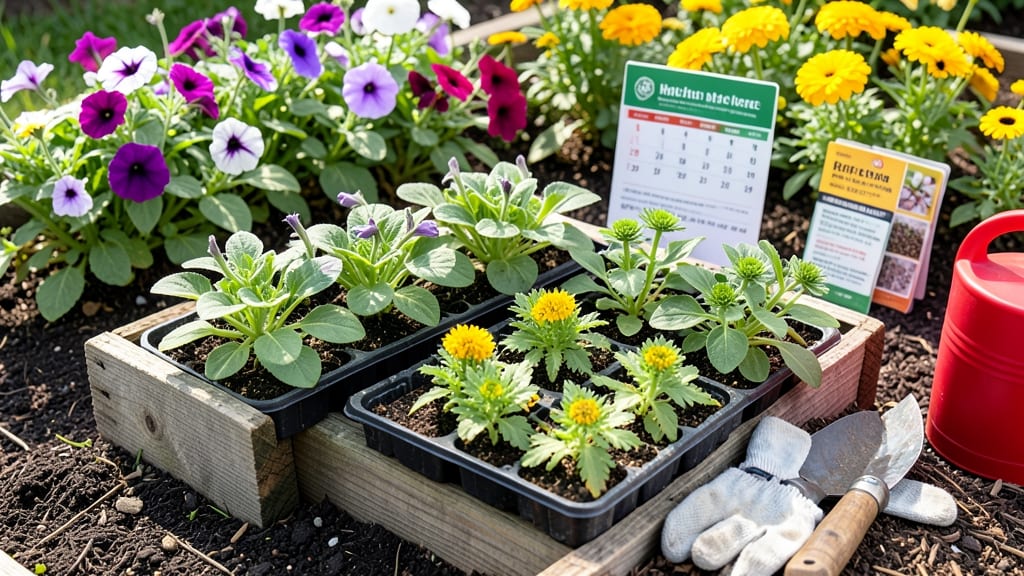
To plant flower seeds in Indiana, time your sowing between March 15 and May 15 for spring blooms or August 1 to September 15 for fall varieties—those windows align with the state’s frost dates and hardiness zones.
Indiana’s unpredictable spring weather can make timing your flower seed planting a real challenge—but getting it right means vibrant blooms all season long.
Whether you’re starting seeds indoors or direct-sowing in Zone 6a, knowing your last frost date (April 15) and soil temperature (60°F) is the key to success.
Below, I break down the best planting months for annuals like marigolds, perennials like coneflowers, and how to adjust for Indiana’s microclimates—so you can skip the guesswork and enjoy a garden bursting with color.
Indiana flower seed planting timeline by hardiness zone (5-6)
Indiana’s hardiness zones 5-6 mean your planting schedule should account for last frost dates that range from April 1-15 in zone 5 to April 15-30 in zone 6.
Whether you’re growing annuals like marigolds or perennials like coneflowers, timing matters—plant too early, and frost will kill tender seedlings; too late, and you’ll miss peak bloom seasons.
For zone 5a/5b, aim to start cool-season flowers indoors by February 15 and warm-season flowers by March 15. In zone 6a/6b, you’ve got a slightly longer window—start cool-season flowers indoors by March 1 and warm-season flowers by April 1.
Direct sowing outdoors should never happen before your average last frost date, which is critical for avoiding frost damage.
| Zone | Last Frost Date | Indoor Start (Cool-Season) | Indoor Start (Warm-Season) | Direct Sow Outdoors |
|---|---|---|---|---|
| 5a/5b | April 1-15 | Feb 15 - Mar 15 | Mar 15 - Apr 15 | Apr 15 - May 15 |
| 6a/6b | April 15-30 | Mar 1 - Apr 1 | Apr 1 - Apr 30 | Apr 30 - May 15 |
🌱 Note: Adjust dates 1-2 weeks earlier for high-altitude areas or later for urban heat islands.
For cool-season flowers like pansies or snapdragons, you can even sow directly outdoors in late summer (August-September) for fall blooms. These hardy annuals tolerate light frosts, making them perfect for Indiana’s fall planting window. Just be sure to use row covers if temperatures dip below 25°F.
When it comes to warm-season flowers, such as petunias or zinnias, wait until after your last frost date to direct sow.
If you’re eager to get a head start, begin indoor seed starting in late winter (February-March) and transplant outdoors after May 1 in zone 5 or April 30 in zone 6.
Perennials like black-eyed Susans or bee balm can be sown directly outdoors in early spring (March-April) or early fall (August-September). These plants establish roots slowly, so give them extra time to grow before the first frost. For zone 5a/5b, aim to have them planted by June 1 to ensure they mature before winter.
Indiana’s fall planting season is often overlooked, but it’s ideal for cool-season annuals like calendulas or sweet alyssum. Sow these directly outdoors in August-September for vibrant fall and early winter color. Just remember: soil temperatures should stay above 50°F for successful germination.
If you’re unsure about your exact last frost date, check the Indiana State Climate Office or use a frost calendar for your county. Local microclimates—like urban heat islands or river valleys1-2 weeks, so always err on the side of caution.
For container gardening, you can extend your planting season by 2-4 weeks since pots warm up faster than soil. Start warm-season flowers indoors in late February (zone 5) or early March (zone 6) and move containers outdoors after your last frost date.
Finally, keep a gardening journal to track your frost dates and planting success. Over time, you’ll fine-tune your schedule to match Indiana’s unpredictable weather patterns—leading to healthier plants and longer bloom seasons. Happy planting! 🌷
Best flowers to plant in Indiana by season (with frost-resistance notes)
Indiana’s hardiness zones 5-6 mean we can grow stunning flowers year-round, but timing is everything. Frost-sensitive annuals like petunias need to wait until after the last spring frost (typically mid-April), while frost-hardy perennials like black-eyed Susans can handle early planting.
Let’s break down the best flowers for each season and their frost tolerance.
Spring is the busiest planting season, but cool-season flowers like pansies and snapdragons can handle light frosts. Summer brings heat-loving annuals like zinnias, while fall is perfect for frost-resistant perennials like coneflowers. Understanding these patterns ensures your garden thrives from April through October.
Start cool-season flowers like pansies and sweet peas indoors by late February. Direct-sow frost-hardy perennials (e.g., lavender, hostas) after last frost. Petunias and marigolds can wait until mid-May for warmer soil.
Sow heat-loving annuals like zinnias, cosmos, and sunflowers after June 1. These thrive in full sun and tolerate Indiana’s summer heat. Succession plant every 2 weeks for continuous blooms.
Plant frost-resistant perennials like coneflowers, black-eyed Susans, and asters in late August. Cool-season annuals (e.g., snapdragons, calendula) can be sown in September for fall/winter color.
Perennials like bee balm, daylilies, and Russian sage survive 20°F+ frosts. Biennials (e.g., foxglove) can handle light frosts after establishment. Mulch heavily in fall to protect roots.
For Indiana’s variable climate, I recommend starting heat-sensitive flowers indoors 6-8 weeks before the last frost. Petunias and geraniums need this head start, while hardy perennials can go directly into the garden after soil warms to 50°F.
Always check local frost dates—northern Indiana (Zone 5) may need a 2-week delay compared to southern Indiana (Zone 6).
Don’t overlook fall planting—many perennials establish roots in cool weather, giving them a head start for next spring. Coneflowers and black-eyed Susans planted in September often bloom earlier and more vigorously. Just avoid planting tender annuals like impatiens after mid-August, as they won’t survive winter.
Pro tip: Use row covers to extend the season for frost-sensitive plants. This lets you plant marigolds and zinnias 2-3 weeks earlier in spring or keep them blooming 2 weeks later in fall. Pairing frost-hardy perennials with annuals creates a seamless transition from spring to fall color.
With these seasonal guidelines, your Indiana garden will stay vibrant from April through October, even with late frosts or early heat waves. Happy planting! 🌸