
Flowers
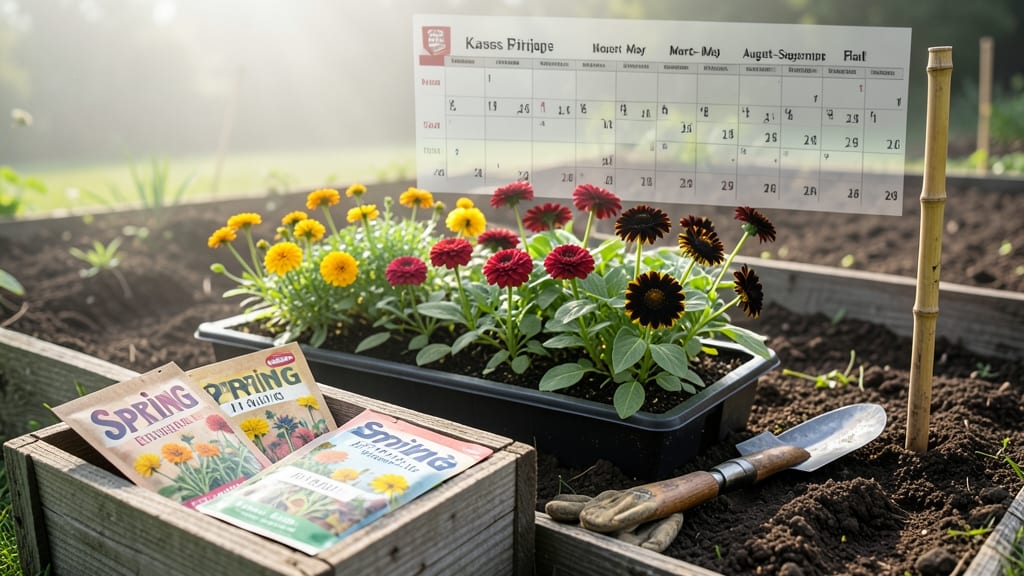
Planting flower seeds in Kansas after the last frost date — around mid-April for most of the state — is the key to vibrant blooms that last all summer.
Kansas gardeners know timing is everything—plant too early, and frost will strike; too late, and summer blooms will fade before they peak. Mastering the perfect window in USDA Zones 5-6 transforms your garden from mediocre to breathtaking.
Whether you're sowing hardy annuals like cosmos or heat-loving zinnias, the right timing ensures strong roots and long-lasting color. Below, I’ll break down the exact months to plant, adjust for microclimates, and share Kansas-proven varieties that thrive with minimal fuss.
You’ll also discover how to extend your growing season with simple tricks, so you can enjoy flowers from spring through fall—no matter where you garden in the state.
Kansas flower seed planting calendar by month (Zone 5-6 specific)
Kansas gardeners face a unique challenge: short but intense growing seasons where timing determines success. In USDA Zones 5-6, last frost dates can vary by 2-3 weeks between western and eastern Kansas.
To maximize blooms, I've broken down the perfect planting windows for both cold-hardy annuals and heat-loving varieties—plus how to adjust for your specific microclimate.
For Zone 5 (western Kansas), aim to plant 2-3 weeks later than Zone 6 areas. The key is soil temperature: most flower seeds need 60°F+ soil to germinate. Use a soil thermometer to confirm readiness—this is especially critical for tender annuals like zinnias and sunflowers.
Pro Tip: Start cold-hardy seeds indoors (like snapdragons and pansies) 6-8 weeks before last frost to get a head start. For direct sowing, wait until after May 1 in most areas to avoid surprise frosts.
For Zone 6 (eastern Kansas), you can push spring planting 1-2 weeks earlier than Zone 5. Cosmos and marigolds are my top cold-hardy picks—they germinate quickly even in 50°F soil and tolerate light frosts.
Meanwhile, zinnias and sunflowers need warm soil (70°F+), so wait until after May 15 to direct sow them.
Fall planting is all about timing for overwintering. Sow calendulas and
How to adjust planting times for Kansas microclimates and soil conditions
Kansas' diverse landscapes—from the wind-swept plains of Zone 5 to the slightly milder Zone 6 areas in the east—create unique gardening challenges. Urban heat islands in cities like Wichita can push soil temperatures 10°F warmer than rural areas, while clay-heavy soils in the southeast slow drainage.
These microclimates demand tailored planting strategies to protect delicate flower seedlings from extremes.
Start by testing your soil temperature before planting. Use a soil thermometer to ensure it reaches 60°F+ for most annuals and 50°F+ for hardy perennials. In western Kansas, wait until mid-May for heat-loving zinnias, while eastern gardens can start cosmos seeds as early as late April.
Always adjust for your specific microclimate—even a few blocks can change frost dates by 1-2 weeks.
⚠️ Clay Soil Warning
Kansas' clay-heavy soils (common in eastern regions) retain moisture but suffocate roots. Amend with compost 6-8 weeks before planting to improve drainage.
For raised beds, mix in sand or perlite (20% of soil volume) to prevent waterlogging. Never plant seeds directly into unamended clay—start in pots and transplant after roots establish.
Urban gardeners face heat islands that can scorch seedlings. Opt for shade cloth during peak summer (June-August) and extend seasons with black plastic mulch in spring. This raises soil temps by 5-10°F, letting you plant marigolds 2 weeks earlier than traditional schedules.
For windy plains (Zone 5), use windbreaks like cornstalks or burlap to shield tender petunia seedlings.
Hardening techniques are critical for Kansas' variable weather. Gradually expose seedlings to outdoor conditions over 7-10 days, starting with 2 hours/day in partial shade. By day 5, move them to full sun for 4 hours if temps stay above 55°F.
Skip this step, and shocked plants may wilt or bolt prematurely—especially true for snapdragons and lobelia.
Raised beds offer earlier planting in both zones. Their warmer soil lets you sow calendula seeds 3 weeks before traditional ground planting dates. Fill beds with a 50/50 mix of native soil and compost, then top with 1-2 inches of straw mulch to retain moisture.
This combo extends your bloom season by 4-6 weeks compared to in-ground planting.
Fall planting in Kansas requires patience. For Zone 5, sow pansies and sweet alyssum by August 15 to ensure they establish roots before first frost. In Zone 6, push the deadline to September 1.
Always use row covers in October to protect late bloomers like stock flowers from unexpected 28°F nights.
Monitor local Kansas State University Extension frost maps weekly—they update planting zones annually. With these adjustments, your flower beds will thrive despite Kansas' extremes, delivering longer bloom seasons and hardier plants year after year. 🌿