
Planting
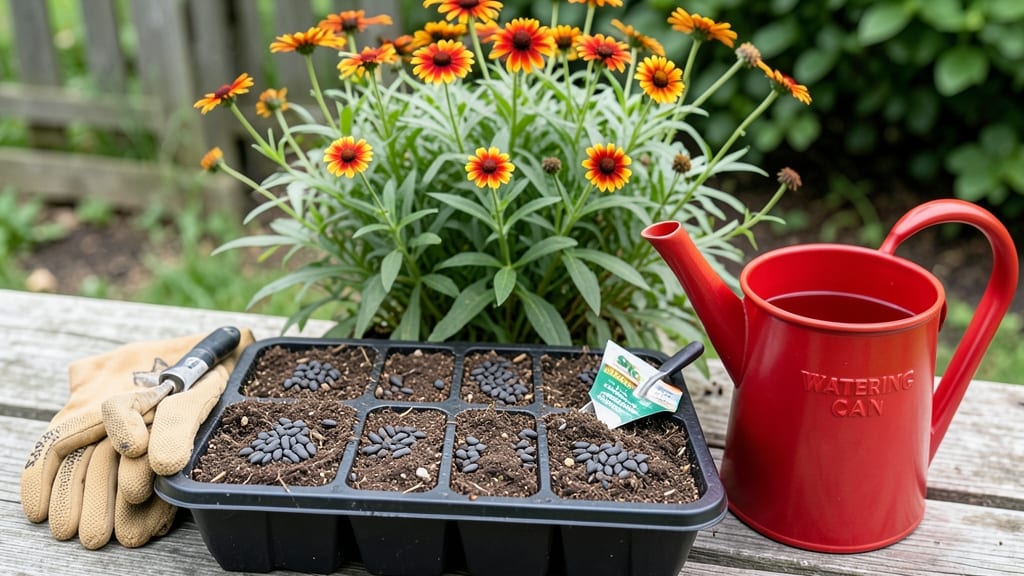
Planting blanket flower seeds at the right time ensures vibrant blooms 🌼 from summer through fall, and missing the window can leave you with patchy color or no flowers at all.
You’ve probably heard that spring is the best season for planting, but your USDA zone plays a bigger role than you might think.
In cooler climates like 6a, waiting until after the last frost in April is key—planting too early risks frost damage, while late sowing may delay blooms until mid-summer. Meanwhile, warmer zones can stretch the window into early fall, giving you a second chance for a late-season show.
Blanket flowers thrive in full sun and well-drained soil, but timing isn’t just about the calendar—it’s about aligning germination with your local frost-free period.
A quick soil check and a little patience can mean the difference between a sparse display and a bold border of red, yellow, and orange blooms that last until frost.
Below, I’ll break down the exact planting windows for your zone, plus pro tips for adjusting timing to extend your blooming season—no guesswork, just guaranteed color.
Best planting times for blanket flower seeds by USDA zone
Blanket flowers (Gaillardia) thrive when planted at the right time, but their ideal window varies dramatically across USDA zones 3-11. In cooler zones (3-6), timing your seeds to avoid frost is critical, while warmer zones (8-11) offer longer growing seasons.
The key is aligning planting with your last frost date and soil temperatures—60°F+ triggers germination. Let's break down the perfect timing for each zone to ensure vibrant blooms from summer through fall.
For direct sowing, most gardeners aim for 2-4 weeks before the last frost in spring or 8-10 weeks before the first frost in fall. However, blanket flowers are heat-loving annuals, so transplanting after all danger of frost often yields better results.
In zones 9-11, you can even plant in early fall for winter-spring blooms. Always check your local frost-free date—it’s your planting deadline.
🌱
In zones 3-5, where winters are harsh, focus on spring planting after the last frost—typically mid-April to early May. If you want fall color, sow seeds in late July for blooms before frost.
These zones benefit from transplanting seedlings instead of direct sowing, as cooler soils delay germination. Use row covers to extend the season if needed.
For zones 6-7, you’ve got flexibility. Plant seeds directly in the garden in April or start them indoors in March for earlier blooms. Fall planting works too—sow in late summer (August-September) for autumn-winter interest.
These zones often see longer bloom periods if you stagger plantings every 2-3 weeks.
Gardeners in zones 8-9 can push the envelope with fall planting for winter-spring blooms. Sow seeds in September-October to enjoy flowers when most gardens are dormant. Summer planting is possible but requires extra shade and water to prevent heat stress.
In these zones, blanket flowers often self-seed aggressively, so deadhead spent blooms if you want to control spread.
If you live in zones 10-11, treat blanket flowers like tropical annuals. Plant in fall or winter (November-January) for spring-summer blooms, or sow in early spring (February-March) to avoid summer’s peak heat.
These zones offer the luxury of year-round planting, but always aim for soil temps above 70°F for best results.
Pro tip: Use a soil thermometer to confirm temperatures before planting. Blanket flower seeds won’t germinate below 60°F, and cooler soils can lead to rot or mold.
If your soil is too cold, wait 1-2 weeks or use black plastic mulch to warm it faster. Always plant in well-draining soil—blanket flowers hate soggy roots.
🌼
After planting, keep seeds moist but not soggy until germination (usually 7-14 days). Once seedlings emerge, thin to 12-18 inches apart for full, bushy plants. In drought-prone zones (8-11), reduce watering after establishment—blanket flowers are drought-tolerant once rooted.
For longer blooms, deadhead spent flowers regularly to encourage continuous new blooms.
💧
How to adjust planting timing for longer blooming seasons
Extending your blanket flower's bloom season doesn't require magic—just smart timing. By adjusting when you plant, you can turn a 3-month display into a 6-month spectacle. The key is understanding your climate and using succession planting or fall sowing to create overlapping blooms.
In cooler zones (USDA 3-7), I always start with spring planting after the last frost, then follow up with a fall sowing 6-8 weeks before the first frost. This creates two bloom cycles: one in summer and another in early fall.
For warmer zones (USDA 8-11), fall planting becomes even more critical to escape summer heat stress.
For my Zone 6a garden, I've found that planting half the seeds in early May and the other half in late August gives me blooms from June through October. The August planting also benefits from cooler fall temperatures, which reduce stress on young plants.
Don't forget about light requirements when adjusting timing. Blanket flowers need 6+ hours of sun daily, so avoid planting in shaded spots—even the best timing won't help if your location is too dark.
If your garden has partial shade, opt for dwarf varieties like 'Arizona Sun' that tolerate slightly less light.
Pro tip: Mark your calendar for 60 days after planting—that's when your first blooms should appear. If you're not seeing flowers by then, check your soil moisture and sun exposure. Consistent watering and full sun are non-negotiable for reliable blooming.
With these timing adjustments, you'll transform your garden into a year-round color show. The secret is patience and planning—just like any great garden, the best results come from thoughtful preparation.