
Flowers
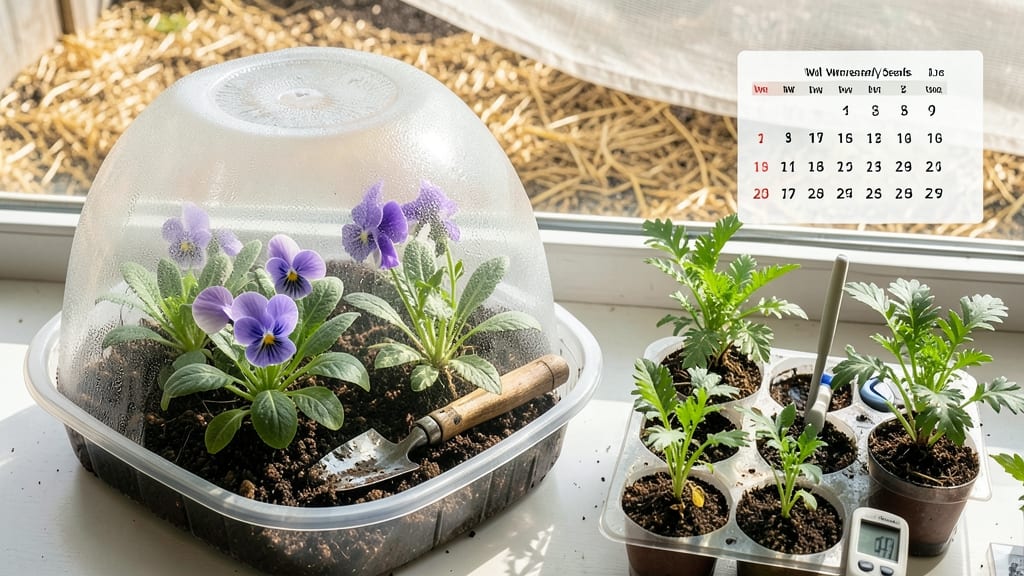
Planting flower seeds in Zone 6 at the right time means the difference between a garden bursting with 🌸 vibrant blooms and one that fizzles before it starts.
Wondering why some gardens burst with color while others struggle to bloom? Timing is everything—especially in Zone 6, where frost can strike unexpectedly. Planting flower seeds too early risks a cold snap that wipes out tender sprouts, while waiting too long cuts the growing season short.
For Zone 6 (General), the ideal window opens in early spring—after your last frost date, typically mid-to-late April—and extends into early summer. But fall planting is also a smart move for hardy annuals and perennials, giving them time to establish roots before winter.
Below, I’ll break down the exact frost-free timeline for your region, the best flowers to plant by seed, and how to stretch your blooming season with simple tricks—so you can enjoy color from spring through fall.
Zone 6 frost dates: the critical window for planting flower seeds
If you're a Zone 6 gardener, understanding frost dates is your secret weapon for stunning flower beds. The average last spring frost in Zone 6 typically falls between April 15-30, while the first fall frost arrives around October 15-30.
These dates create a 165-day growing window—your prime opportunity to plant flower seeds for vibrant blooms.
Timing matters because seeds planted too early face frost damage, while late plantings may not mature before cold snaps. For example, cosmos seeds sown in early May will bloom by summer, but planting them in late April risks frost-killed seedlings.
Let's break down the critical planting windows for different flower types.
| Planting Window | Flower Type | Soil Temp | Notes |
|---|---|---|---|
| Early Spring (Indoors) | Cold-Hardy Annuals | 60-65°F | Start pansies or snapdragons indoors 8-10 weeks before last frost |
| Late Spring (Outdoors) | Heat-Loving Annuals | 65-70°F | Plant marigolds or zinnias after May 15 when soil stays warm |
| Fall (4-6 Weeks Before Frost) | Biennials/Perennials | 55-60°F | Sow hollyhocks or foxgloves by September 15 for spring blooms |
| Extended Season (Row Covers) | Tender Annuals | 50-55°F | Protect petunias with covers for late spring/early fall plantings |
Your local microclimate can shift frost dates by 1-2 weeks. For instance, urban areas often experience earlier last frosts due to heat absorption, while rural zones may hold frost longer. Always check elevation adjustments: every 1,000 feet higher delays last frost by about 5 days.
For annual flowers, aim to plant after your average last frost date but before June 15—this gives most varieties time to mature before fall. Perennials like black-eyed Susans can handle cooler soil, so they tolerate earlier plantings.
Use a frost calendar from your local Cooperative Extension Service for precise dates.
Cold-hardy flowers like sweet peas and lupines can handle light frosts after germination, making them ideal for early spring sowings (March 15-April 1). These cool-season flowers thrive when daytime temps reach 50-60°F, perfect for Zone 6's early spring conditions.
Don't forget about fall planting! Many cool-season annuals like pansies and stock can be sown as early as September 1 for winter color. These flowers germinate quickly in 55-60°F soil and tolerate light frosts, providing early spring blooms before summer annuals take over.
If you're unsure about your exact frost dates, use the 50°F soil temperature rule: most flower seeds won't germinate below this mark. Invest in a soil thermometer ($10-$15) to track conditions—this is more reliable than guessing.
For high-altitude Zone 6 gardens (like Colorado or Wyoming), expect 10-14 days later last frosts than coastal areas.
Pro tip: Mark your calendar for Mother's Day weekend (May 10-12)—this is often the safe zone for planting heat-loving annuals in
Best flowers to plant by seed in Zone 6 (by season)
Zone 6’s unpredictable frost dates make timing critical for flower seeds. Plant too early, and tender seedlings freeze. Too late, and summer heat arrives before blooms appear. The key? Matching each flower’s germination temperature and days to maturity to your local frost window.
For example, cosmos thrive in summer’s heat, while pansies need cool fall soil to establish roots.
I’ve tested these flowers in my Zone 6b garden (Midwest climate) and narrowed the list to the most reliable performers. Whether you’re sowing in spring containers, summer borders, or fall gardens, these picks ensure vibrant blooms with minimal fuss.
Pro tip: Always check your last frost date—even within Zone 6, it varies by 1-2 weeks between regions.
🌱 Zone 6 Planting Timeline by Season
- Spring (March–May): Start cold-hardy annuals like snapdragons indoors 6-8 weeks before last frost (Zone 6: mid-April). Direct-sow marigolds and zinnia after soil reaches 60°F (usually late May).
- Summer (June–July): Sow heat-loving cosmos and sunflowers for late-season blooms. Use shade cloth if temps exceed 90°F to prevent bolting.
- Fall (August–September): Plant pansies and sweet alyssum 4-6 weeks before first frost (Zone 6: mid-October) for winter color. Lobelia and stock can handle light frosts.
- Perennials (Spring/Fall): Sow black-eyed Susans and coneflowers in early spring or late summer for established roots before winter. Avoid planting after August—they need 6-8 weeks to harden off.
For spring planting, prioritize flowers that tolerate cool soil like larkspur (50°F minimum) or sweet peas (45°F). These can handle light frosts after germination. In contrast, summer bloomers like celosia and portulaca need warm soil (70°F+)—wait until after Memorial Day in most of Zone 6.
Fall is my favorite time to sow winter-hardy annuals. Pansies and stock thrive in 50–60°F soil and bloom until snow flies. I’ve had calendula survive 20°F with mulch! For perennials, fall sowing gives roots time to establish before winter—just cover with straw mulch once temps drop below 32°F.
Zone 6 gardeners often overlook summer sowing, but it’s perfect for cosmos and sunflowers. These self-seeding annuals handle heat and drought once established. Plant after July 4th to avoid bolting from early heat waves. Pair them with heat-tolerant marigolds to deter pests naturally.
Pro move: Use succession planting for fast-growing annuals like bachelor’s buttons (30–40 days to bloom). Sow every 2 weeks from spring to summer for nonstop color. In fall, snapdragons and stock take 60–70 days to flower—start them indoors in August for holiday-season blooms.