
Flowers
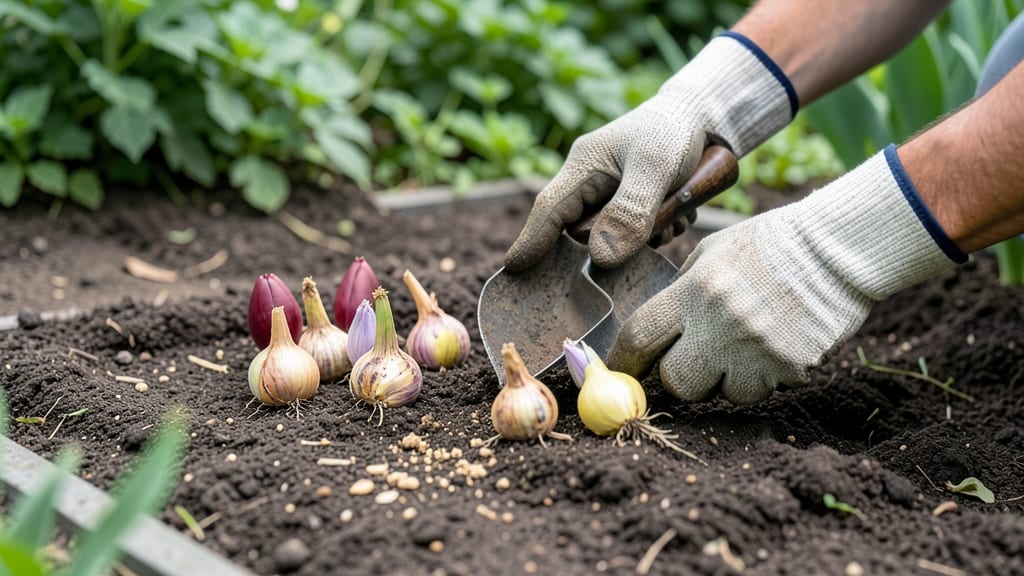
Planting flower bulbs in the spring at the right time means the difference between a garden that bursts into vibrant blooms and one that fizzles before it starts.
Timing is everything when planting flower bulbs in spring—plant too early and risk frost damage, too late and miss the blooming season entirely. Follow this zone-by-zone guide to ensure your garden bursts into color at the perfect moment.
Most gardeners in USDA Zone 6a (like me!) should plant bulbs like tulips and daffodils 6-8 weeks before the last frost, usually by mid-October. But if you missed that window, don’t panic—spring planting is still possible with the right adjustments.
Below, I’ll break down the exact timing by zone, soil prep tips, and the top 3 bulbs that thrive when planted in spring for a showstopping display.
USDA Zone planting schedule: exact weeks before last frost for spring flower bulbs
Planting spring flower bulbs like tulips, daffodils, and hyacinths requires precise timing to avoid frost damage while ensuring vibrant blooms. The key is planting 6-8 weeks before your last expected frost date, but this varies dramatically by USDA zone.
For example, Zone 3 gardeners plant in late August to early September, while Zone 10 gardeners can wait until December. Soil temperature also plays a critical role—most bulbs thrive when soil reaches 50-60°F.
I’ve broken down the exact planting windows for each zone, including frost date calculations and soil temperature thresholds to help you time it perfectly. Whether you’re in the coldest Zone 3 or the mildest Zone 10, this schedule ensures your bulbs get the ideal dormancy period before spring blooms.
Pro tip: Use a soil thermometer to confirm readiness—planting too early in warm zones can trigger premature sprouting.
⚠️ CRITICAL NOTE: Spring-planted bulbs (like crocuses or snowdrops) follow different rules—they need to be in the ground by late fall. This guide focuses on spring-blooming bulbs planted in fall, the most common approach for gardeners.
In Zone 3-4, where frosts linger until May, I plant tulip bulbs in late August to give them 8-10 weeks of dormancy. The soil temperature drops below freezing by October, so bulbs must establish roots before then.
Use a mulch layer (2-3 inches) after planting to insulate them through winter. For daffodils, which are more cold-hardy, I extend planting until September 15—they tolerate slightly later soil cooling.
Gardeners in Zone 7-8 have more flexibility, with planting windows stretching from October 1 to November 1. However, don’t wait too long—soil temperatures in Zone 8 can drop below 50°F by mid-November, signaling it’s time to plant.
I’ve had success with hyacinths planted as late as November 1 in Zone 8, but only if the ground hasn’t frozen. Test soil moisture too; bulbs rot if planted in waterlogged soil.
For Zone 9-10, where winter is mild, the challenge is preventing premature sprouting. Plant daffodils and crocuses in November when soil temps hover around 60°F.
5 Critical signs your spring bulb planting is perfectly timed (or too late)
Spring bulb planting success hinges on timing. The difference between vibrant blooms and wasted effort often comes down to soil conditions and weather cues.
I’ve planted thousands of bulbs and learned these five non-negotiable signs that tell you when—down to the week—it’s time to plant for peak performance.
First, check your local frost dates. Most spring-blooming bulbs need 6-8 weeks in the ground before frost returns. Use your USDA zone as a guide, but don’t rely on it alone. Actual soil temperature is the real decider—wait until it hits 40-50°F consistently.
- 1
- 2
- 3
- 4
- 5
Ignoring these signs often leads to stunted growth or missed blooms. For example, I once planted tulip bulbs in March in Zone 6 because the soil felt warm—but a late frost killed the sprouts. Always prioritize soil temp over calendar dates.
Pro tip: Mark your planting date on a garden calendar. Most spring bulbs need 6-8 weeks to establish roots before active growth. If you’re in Zone 7-10, aim for late winter (February-March); Zones 3-5 should wait until April or early May.
Once you’ve nailed these signs, your bulbs will thrive. I’ve seen daffodils bloom 3 weeks earlier just by planting at the right time. Perfect timing isn’t about guesswork—it’s about reading your garden like a book. 🌱