
Flowers
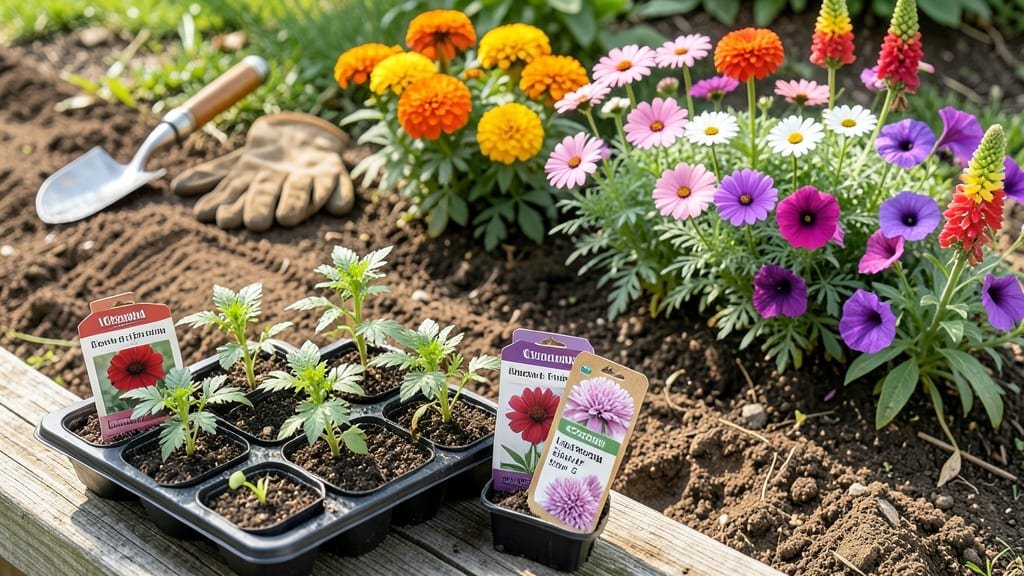
Planting flower seeds in Missouri means timing them perfectly between March and May to beat the last frost and unlock vibrant blooms all season.
Missouri’s unpredictable spring weather can turn gardening dreams into guesswork—but timing your flower seed planting just right ensures vibrant blooms all season long.
With USDA Zone 6b’s unique climate, knowing exactly when to start seeds indoors, transplant seedlings, and sow directly outdoors is the key to a showstopping garden.
From frost-free dates to soil temperature checks, here’s your step-by-step guide to planting 🌸 seeds for maximum impact—plus the best flowers for Missouri’s growing conditions.
Missouri flower seed planting calendar: exact dates by bloom season
Missouri’s Zone 6b climate means your flower seed planting timeline must account for both late spring frosts and early fall chills. While the average last frost date falls around April 15 in St. Louis, Kansas City can see frost as late as May 1.
Planning ahead ensures your annuals, perennials, and bulbs thrive year-round.
For cool-season flowers like pansies and snapdragons, I start seeds indoors 8-10 weeks before your target transplant date—typically mid-February. Warm-season favorites (think zinnias and sunflowers) need to wait until soil temperatures hit 60°F or warmer, usually mid-April to early May in most of Missouri.
Here’s the breakdown by bloom season—adjust 1-2 weeks earlier for southern Missouri and later for northern areas like Columbia.
For St. Louis gardeners, aim for April 15 as your last frost benchmark, while Kansas City should plan for May 1. Use a soil thermometer to confirm 60°F soil temps before sowing warm-season seeds—this is critical for germination success.
My top pro tip: Mark your calendar for May 10-15 as a backup transplant date in case of late frosts. This gives warm-season flowers like tomatoes and peppers (which often share space with flowers) enough time to establish before summer heat sets in.
Don’t overlook fall planting either! Cosmos and sweet alyssum sown in late July will reward you with autumn blooms when many gardens are winding down. Just be sure to harden off seedlings properly before transplanting to avoid shock.
Regional microclimates matter too—urban St. Louis often warms up faster than rural areas, while hilly regions like the Ozarks may experience 2-3 weeks later frost dates. When in doubt, use row covers or a mini greenhouse to extend your growing season for delicate seedlings
How to adjust planting times for Missouri’s unpredictable weather patterns
Missouri’s late spring frosts and sudden heatwaves can derail even the best-laid gardening plans. I’ve learned the hard way that rigid planting schedules often fail here—so I’ve developed flexible strategies to keep my petunias and marigolds thriving despite Mother Nature’s mood swings.
The key lies in soil temperature monitoring, protective covers, and knowing your backup planting dates.
Start by checking soil temperatures with a reliable thermometer—most flower seeds need 60°F+ soil to germinate. In my garden, I’ve seen two-week delays in spring planting due to cold snaps, so I always have a second planting window ready.
For example, if your cosmos seeds fail to sprout by mid-May, try again in late June for a fall bloom.
⚠️ WARNING: Late Frost Risks ⚠️
I’ve found that row covers (like Reemay fabric) can push planting dates 2-3 weeks earlier by creating a 5-10°F warmer microclimate. For instance, I plant snapdragons under cover in early April, then remove it after the last frost. This technique has given me 6 weeks of earlier blooms compared to unprotected plantings. Just remember to secure covers tightly to prevent pests from moving in.
For high-value flowers like petunias, I use a two-phase approach: start seeds indoors 8-10 weeks before last frost (around February 15), then transplant hardened-off seedlings 2 weeks after last frost.
This ensures blooms by Memorial Day. I’ve also planted marigolds in July-August for fall color—this second planting often outperforms spring-sown flowers in my heatwave-prone zone.
Don’t overlook soil warming tricks either. Black plastic mulch can raise soil temps by 5-8°F, helping seeds germinate faster. I use it for heat-sensitive flowers like impatiens to create a warmer seedbed.
Pair this with a drip irrigation system to maintain consistent moisture—uneven watering is another common reason Missouri gardens fail.
Finally, keep a gardening journal to track your local patterns. Note when specific flowers thrive despite delays—this data becomes your custom planting calendar. Last year, my cosmos seeds planted June 10 bloomed just as beautifully as those sown in April.
With these adjustments, you’ll turn Missouri’s unpredictable weather into an advantage for a longer, more reliable bloom season.