Vegetables
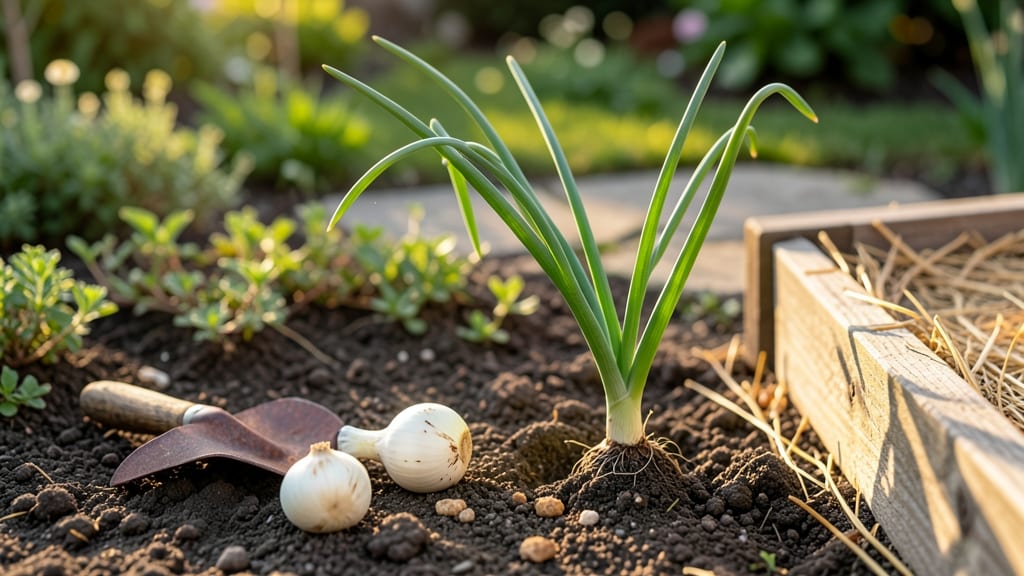
Planting green onion bulbs is the lazy gardener's secret to fresh scallions all year—no seeds, no waiting, just 3-inch harvests in weeks. 🌱 I used to buy them at the store until I realized I could grow them directly from the bulbs I already had in my fridge.
The process is so simple it feels like cheating, but the results are real: tender greens ready to snip whenever you need them.
You only need three things: a sunny spot (even partial sun works), loose soil (they hate compacted dirt), and those leftover green onion bulbs from your grocery bag. Plant them 1 inch deep, spaced 2-3 inches apart, and they’ll root in days.
No fancy prep—just dig a hole, drop in the bulb, and cover it. They thrive in cool weather, so you can plant in early spring or late summer for fall harvests.
Water lightly after planting, then keep the soil evenly moist (not soggy). In 3-4 weeks, you’ll have enough greens to snip for meals, and the bulb will regrow—meaning you get multiple harvests from one bulb.
The best part? They self-seed, so next year’s garden might surprise you with volunteers popping up everywhere.
Watch out for bolting (when they flower too soon)—that happens when days get long. If it starts, harvest the greens immediately and save the bulbs for replanting. With this method, you’ll never buy green onions again, and your kitchen will always have fresh, homegrown flavor on hand.
📚 In This Guide
- What you need
- Instructions
- Tips and common mistakes
- Wrapping up and next steps
What you need
- ● Green onion bulbs: 10–20 bulbs (fresh, firm, and free of sprouts or mold)
- ● Containers or garden bed: For containers: 6–12-inch deep pots (with drainage holes) or a shallow tray (for hydroponics)
- ● For garden beds: Well-draining soil in a sunny spot (6+ hours of light daily)
- ● Potting mix: 2–3 gallons of lightweight, well-draining soil (or coco coir for hydroponics)
- ● Watering can or spray bottle: For gentle hydration (avoid oversaturating)
- ○ Fertilizer (optional but recommended): Balanced liquid fertilizer (e.g., 10-10-10) or compost tea
- ● Slow-release granular fertilizer (mix 1 tbsp per gallon of soil)
- ● Grow lights (if indoors and sunlight is limited)
- ● Mulch (straw or shredded leaves to retain moisture)
- ● Plant labels (to track harvest dates)
- ● Scissors or pruning shears (for trimming regrowth)
- ● Hydroponic setup (for soil-free growing)
Step-by-step instructions for planting green onion bulbs
Here's how to grow fresh green onions year-round with almost no effort.
🌱 Step 1: Choose and Prepare Your Planting Location
Green onions thrive in well-draining soil with partial sun to full sun (at least 4-6 hours daily). I like to plant mine in 6-inch deep containers or directly in garden beds—both work perfectly. If using containers, ensure they have drainage holes to prevent soggy roots, which cause rot.
Loosen the soil to a depth of 2-3 inches if planting outdoors. You don't need to amend the soil heavily—green onions are forgiving. Just make sure it's not compacted, so the roots can spread easily. For containers, fill them with standard potting mix and press it down lightly to create a firm base for the bulbs.
🪴 Step 2: Plant the Green Onion Bulbs
Place the green onion bulbs 1-2 inches apart in rows or clusters, depending on your space. The bulbs should sit ½ inch below the soil surface—just enough to cover the bottom half. I like to space them in a grid pattern for easy harvesting later. Press the soil gently around each bulb to secure it without compacting it too much.
Water lightly after planting to settle the soil and encourage root growth. You'll see new green shoots emerge within 3-5 days—that’s your sign everything is working. If you’re planting in a container, water until the soil feels evenly moist but not soggy to the touch.
☀️ Step 3: Maintain Moisture and Light
Keep the soil consistently moist but never waterlogged. Green onions grow best when the soil stays slightly damp, so water every 2-3 days unless you’re in a very dry climate. You’ll know it’s time to water when the top ½ inch of soil feels dry. Overwatering is the biggest mistake—it leads to rot and weak growth.
Place your container or garden bed in a spot with bright, indirect light if indoors, or full sun if outdoors. If you notice the green onions growing tall and thin (called "bolting"), they’re reaching for more light. Move them closer to a window or adjust their outdoor position to ensure they get enough sun without getting scorched.
✂️ Step 4: Harvest Regularly for Continuous Growth
Once the green onions reach 4-6 inches tall, you can start harvesting. Simply snip the outer stalks with clean scissors or a knife, leaving the inner stalks and bulb intact. This encourages regrowth—you’ll get multiple harvests from a single bulb over weeks or even months. I like to harvest in the morning when the stalks are crispest.
After each harvest, water the remaining stalks lightly to keep them growing. If the bulbs start to look tired or the new growth slows, it’s time to replace them. Green onions are one of the easiest crops to regrow, so you’ll always have fresh ones on hand with minimal effort.
⏰ Step 5: Extend the Harvest Season
For a year-round supply, plant new bulbs every 2-3 weeks. This staggered planting ensures you always have fresh green onions ready to harvest. In cooler climates, you can even grow them indoors near a sunny window or under a grow light for continuous production without gaps.
If you’re growing outdoors in fall or winter, use a lightweight row cover to protect them from frost. Green onions are cold-hardy but prefer to stay above 30°F for best growth. With this method, you’ll never need to buy green onions again—they’ll always be fresh and ready whenever you need them.
Tips & tricks for perfect green onion bulb planting
These simple strategies will help you maximize your harvest with almost no extra effort.
Soil Preparation Secret: Confession: I skipped this step for years and wondered why my green onions never grew well. The key is that well-draining soil isn't just about drainage—it's about aeration too. If you're planting in containers, mix in a handful of perlite or sand to improve drainage without changing the texture too much. For garden beds, avoid areas where water pools after rain, even if the soil looks fine.
Planting Depth Matters: Those ½-inch-deep bulbs might seem shallow, but planting them too deep (more than 1 inch) can cause the tops to rot before they sprout. I learned this the hard way after losing a whole batch. Use your finger to make small dimples in the soil—just deep enough to cover half the bulb. This gives roots room to spread while keeping the growing tip exposed.
Light Management: The 4-6 hours of sun mentioned in the instructions is your minimum, but green onions actually thrive with up to 8 hours daily. If you notice them growing tall and leggy (bolting), they're stretching for more light. Move them to a sunnier spot immediately. For indoor growing, a south-facing window or a simple LED grow light for 6 hours a day works wonders.
Harvesting Hack: Here's what nobody tells you—those outer stalks you harvest first actually protect the inner ones. When you snip them, leave at least 2-3 inches of growth remaining. I've had bulbs produce fresh shoots for up to 6 months with this method. Just avoid cutting into the bulb itself, or you'll trigger regrowth from the base but lose your main plant.
Pro Tips for Planting Green Onion Bulbs
- These simple strategies will help you maximize your harvest with almost no extra effort.
- Soil Preparation Secret: Confession: I skipped this step for years and wondered why my green onions never grew well. ...
- Planting Depth Matters: Those ½-inch-deep bulbs might seem shallow, but planting them too deep (more than 1 inch) can...
Frequently asked questions
Got questions about growing green onions from bulbs? You’re not alone—this method is simple but has a few quirks! Below, we’ve rounded up the most common questions (and answers) to help you avoid pitfalls and grow like a pro.
Can I plant green onion bulbs year-round?
Green onions are tolerant of cooler weather, so you can plant them in spring, summer, or fall in most climates. In warm zones (zones 8-10), they thrive year-round! Just avoid freezing temps (below 20°F/-7°C)—they’ll sulk or rot. For winter growing, use a cold frame or row cover to protect them.
How long does it take for green onions to regrow from a bulb?
With proper care, you’ll see new shoots in 1-2 weeks! Full regrowth (ready to harvest) takes about 3-4 weeks, depending on light and warmth. For fastest results, place bulbs in bright, indirect light (a sunny windowsill works) and keep soil moist but not soggy.
What if my green onion bulb rots or molds?
Rotting or mold usually means too much moisture or poor drainage. If you notice slimy bulbs or fuzzy growth, stop watering immediately and let the soil dry out. For future plants, use a well-draining mix (like 50% potting soil + 50% perlite) and avoid overcrowding bulbs.
Can I use store-bought green onions for planting?
Yes! Just save the roots (trim off the bottom inch of the bulb) and plant them. Store-bought green onions are often treated to prevent sprouting, so success rates vary. For better results, choose organic or local green onions—their roots are more likely to regrow.
How many times can I harvest green onions from one bulb?
With care, a single bulb can give you 3-5 harvests over 2-3 months! After each cut, leave 1-2 inches of the bulb in the soil and keep it watered. Once growth slows (or the bulb shrinks), it’s time to compost it and start fresh.
| Quick Fixes for Common Issues |
|---|
| No regrowth? Try soaking the bulb in water for 6 hours before planting. |
| Leggy or weak sprouts? Move to a sunnier spot or use a grow light. |
| Yellow leaves? Likely overwatering—let soil dry slightly between waterings. |
Wrapping up and next steps
Planting green onion bulbs is a game-changer for easy, year-round harvests—no green thumb required! With just a few simple steps, you’ll enjoy fresh, crisp greens straight from your kitchen or garden, cutting costs and boosting flavor.
Whether you’re a beginner or a seasoned gardener, this method proves that low effort can yield big rewards.
Ready to dive in? Start by grabbing a few green onion bulbs from your fridge or a grocery store—your next harvest is just one bulb away! 🌱