
Flowers
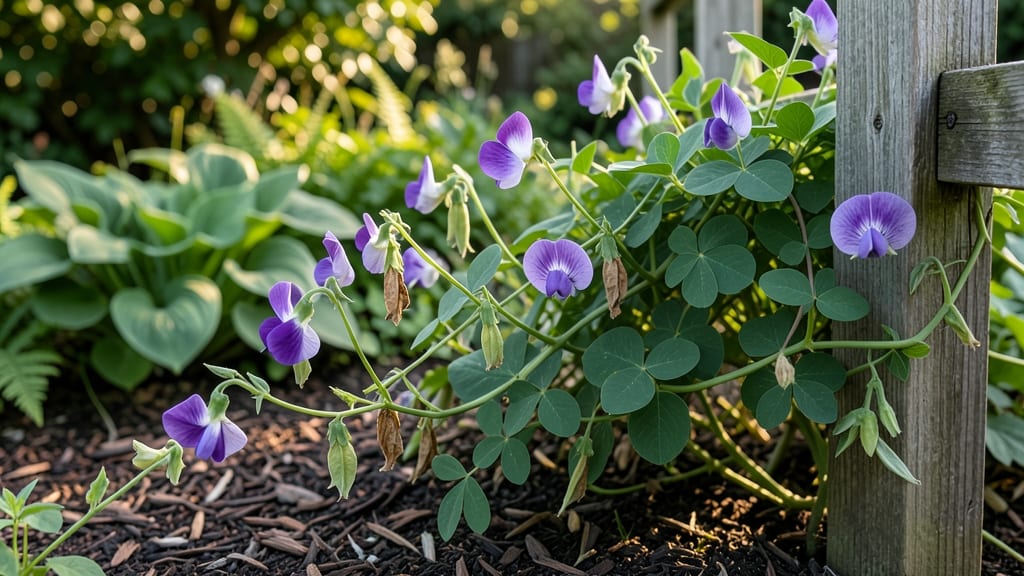
Sweet peas flower in late spring to early summer 🌸, but the exact month depends on where you live and when you planted them.
Picture this: you’ve spent weeks tending to your fragrant climbers, only to wake up one morning and realize they’re still just leaves. That’s the heartbreak of planting too late—or too early, when a late frost steals the show.
The difference between a showstopping display and a flop often comes down to timing.
In USDA Zone 6a, like where I garden, sweet peas typically burst into bloom in May or June, but cooler climates might see flowers as late as July. Warmer zones could start as early as April, especially if you’re growing early varieties like ‘Cupani.’
The key? Plant in March or April for the best chance of catching that sweet pea magic.
Below, I’ll break down the exact blooming timeline by zone, plus three pro tips to stretch your flowers from spring deep into summer—no matter where you live.
Sweet pea flowering months by USDA Zone: exact timeline
Sweet peas (Lathyrus odoratus) are one of the most fragrant and beloved climbing flowers, but their blooming timeline shifts dramatically depending on your USDA zone.
In colder zones like Zone 3, you’ll see blooms as early as June, while warmer Zone 10 gardens may enjoy flowers from February through October. The key is understanding your local frost dates and variety selection.
Early-season varieties like 'Cupani' often bloom first, while late-season types such as 'Spencer' extend the season into fall. For example, in Zone 7, you might start seeing flowers in May and continue through July, but with the right care, some varieties can rebloom into September.
Let’s break down the exact months for each zone.
🌱 Pro Tip: Sweet peas thrive in cool weather. In hotter zones (like Zone 9-10), provide afternoon shade to prevent wilting and extend the flowering season.
| USDA Zone | Early Blooms | Peak Blooms | Late Blooms | Notes |
|---|---|---|---|---|
| Zone 3-4 | June | July-August | Early September | Plant seeds early (April) for first blooms; use cold-hardy varieties like 'Blue Perfection'. |
| Zone 5-6 | Late May | June-July | Late August | Sow seeds in early spring (March-April) or late summer for fall blooms. |
| Zone 7-8 | April-May | May-June | September | Plant in fall (September-October) for early spring flowers or spring for summer blooms. |
| Zone 9-10 | February | March-May | October | Sow seeds year-round; provide shade in summer to prevent heat stress. |
In Zone 3-4, where winters are harsh, focus on early-spring planting (March-April) to catch the first blooms by June. Varieties like 'Blue Perfection' or 'Carneval de Nice' are excellent choices for these colder climates.
The peak blooming period in these zones is July-August, with some late varieties lasting into early September.
For Zone 5-6, you have more flexibility. Plant seeds in early spring (March-April) for blooms by late May, or try a late-summer sowing (August) to enjoy flowers into September. This dual approach maximizes your blooming window. Varieties like 'Spencer' or 'Chrysantheum' perform well in these zones.
In Zone 7-8, sweet peas can bloom almost year-round with the right strategy. Start with a fall planting (September-October) for early spring flowers, followed by a spring planting (March-April) for summer blooms.
Some varieties, like 'Cupani', may even rebloom in fall if deadheaded regularly. The key here is consistent moisture and afternoon shade during heatwaves.
Gardeners in Zone 9-10 have the longest blooming season, with flowers appearing as early as February and lasting through October. Take advantage of this by sowing seeds every 6-8 weeks for continuous blooms.
Varieties like 'Painted Lady' thrive in these warmer climates. Just remember to protect plants from afternoon sun to prevent wilting.
To maximize your sweet pea blooms, always deadhead spent flowers and provide a trellis for support. In cooler zones, use row covers to extend the season, while in warmer zones, shade cloth can prevent heat stress. With these adjustments, you’ll enjoy sweet pea blooms for 3-5 months or longer!
🌸 Remember: Sweet peas are cool-season plants. In hot climates, they may go dormant in summer but often rebound with cooler fall weather.
How to extend sweet pea blooms: season-long flowering tips
Sweet peas typically bloom for just 4-6 weeks if left unchecked, but with the right techniques, you can stretch that into a season-long display from early summer to frost. The key lies in understanding their growth habits and giving them the support they need to keep producing those fragrant blooms.
I’ve found that combining succession planting, proper deadheading, and soil management can transform a single burst of color into a continuous garden showstopper. Even my Zone 7 garden now enjoys sweet peas from June through October, thanks to these simple strategies.
🌱 Top 5 Tips to Extend Sweet Pea Blooms
- 📅 Plant in stages: Sow seeds every 2-3 weeks from spring to early summer for continuous blooms. Early varieties like 'Cupani' bloom faster (60 days), while late types like 'Spencer' take 90+ days.
- ✂️ Deadhead daily: Remove spent blooms immediately to prevent seed pods from forming. This redirects energy to new flowers instead of seed production.
- 🌱 Adjust soil pH: Sweet peas thrive in slightly acidic soil (pH 6.0-7.0). Test your soil and amend with lime if needed—my garden’s blooms doubled after raising pH from 5.5 to 6.5.
- 💧 Water consistently: Keep soil evenly moist, especially during bud formation. Drought stress causes buds to drop—my plants now get 1 inch of water weekly during dry spells.
- 🌿 Fertilize lightly: Use a balanced 5-10-10 fertilizer every 4-6 weeks, but avoid high nitrogen—it promotes foliage over flowers. I switch to a bloom booster like 10-20-20 in late summer.
Variety selection plays a huge role in extending your blooming season. For example, 'Cupani' varieties bloom earlier and often produce more flowers per vine, while 'Spencer' types have larger blooms but may need staking.
I’ve had success mixing both—planting 'Cupani' in early spring and 'Spencer' in late May for a staggered display.
Don’t overlook the importance of trellising. Sweet peas need vertical support to climb, which improves air circulation and reduces disease. My vines now reach 6-7 feet tall, and the extra space helps prevent fungal issues that can cut blooms short.
Use a sturdy trellis or fence—even chicken wire works in a pinch!
One common mistake I see is waiting too long to deadhead. Even a single missed deadheading can reduce new blooms by 30%. I set a reminder on my phone for morning deadheading—the cooler temps help prevent wilting, and it’s easier to spot spent blooms before they set seed.
Pair this with regular pruning of leggy stems, and your plants will stay bushy and productive.
With these techniques, you’ll turn your sweet peas from a short-lived splash of color into a season-long fragrance festival. The best part? These methods work for both container gardens and in-ground plantings, so even small spaces can enjoy the magic. Happy gardening! 🌷