
Blooming
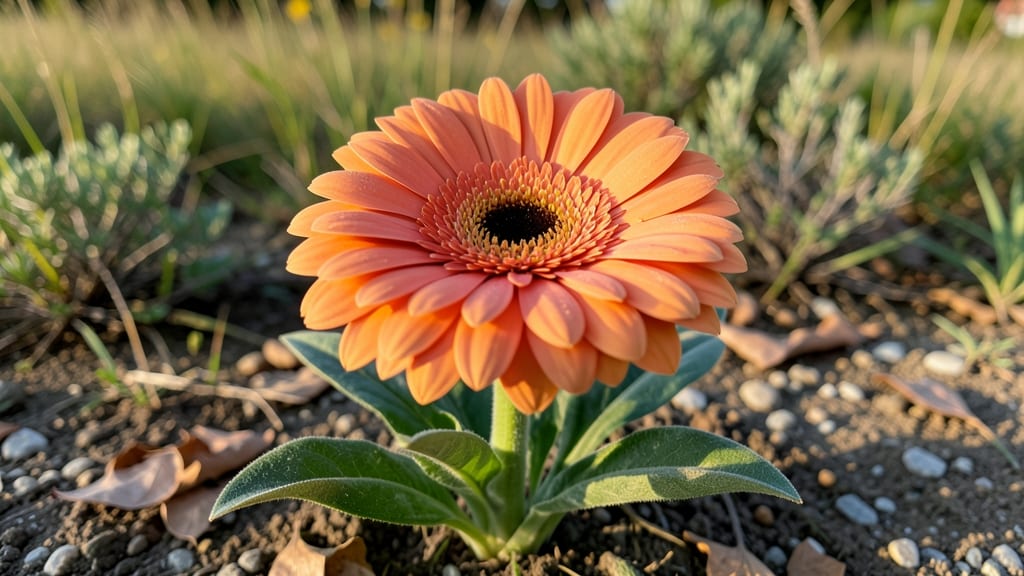
The gerbera daisy flowering season bursts into vibrant 🌼 glory during late spring through summer, with timing that shifts dramatically depending on your USDA zone.
Want to enjoy a nonstop parade of these cheerful blooms? Timing is everything—planting at the wrong season means waiting months for those bright colors.
In Zone 6a, like where I garden, the show starts in June and peaks through August, but in warmer climates, you might see blooms as early as May or as late as September.
Light and temperature are the real game-changers here. Too little sun stalls blooms, while consistent warmth accelerates them. I’ve learned that a few simple adjustments—like strategic planting dates or even a grow light—can shift flowering windows by weeks, giving you longer displays of those iconic daisy faces.
Below, I’ll break down the exact months to expect flowers by zone, plus the easy tricks to coax extra blooms all season long—no guesswork, just vibrant results.
Gerbera daisy flowering months by USDA Zone: exact timelines for year-round blooms
Gerbera daisies are famous for their bold colors and cheerful blooms, but their flowering timeline varies dramatically depending on your USDA zone. In cooler northern zones, you’ll see spring blooms with a possible fall revival, while warmer southern climates can enjoy year-round flowering with proper care.
Understanding these patterns helps you plan for continuous color in your garden.
Gerbera daisies thrive in full sun (6+ hours daily) and well-draining soil, but their blooming windows shift based on temperature. For example, Zone 3 gardeners may only get 2-3 months of blooms, while Zone 10 gardeners can enjoy them nearly year-round.
Let’s break down the exact months for each zone so you can time your plantings for peak performance.
Pro Tip: Use season extenders like row covers or cold frames in cooler zones to push blooms into fall. In hot zones, provide light shade during peak summer to prevent stress.
In Zones 3-5, gerbera daisies are spring and early summer stars, with blooms peaking in June and July. If you live in these regions, plant in late spring after the last frost (typically May 15 or later) to avoid frost damage.
For a fall extension, use frost cloth to protect plants until October.
Gardeners in Zones 6-7 enjoy a longer bloom season, from April through September. These zones benefit from container gardening, allowing you to move pots indoors or under cover when nights turn chilly. Deadhead spent blooms regularly to encourage continuous flowering throughout the season.
Warmer climates like Zones 8-9 can push gerbera daisies to bloom nearly year-round, though summer heat may cause bloom stress. Provide light afternoon shade during July and August to prevent wilting. In these zones, fall plantings (September-October) can yield winter blooms if protected from frost.
For Zones 10-11, gerbera daisies are tropical perennials with year-round potential. However, high humidity and intense sun can stress plants. Use well-draining soil and mulch to retain moisture without root rot. Prune lightly after each bloom cycle to maintain shape and encourage new growth.
To extend your gerbera daisy season, try these climate-specific tricks:
- Cooler zones: Use black plastic mulch to warm soil in spring.
- Hot zones: Install shade cloth (30-50%) during peak heat.
- All zones: Deadhead daily to prevent seed formation and encourage more blooms.
Remember, gerbera daisies are short-day plants, meaning they respond to daylight length. In northern latitudes, they bloom when days shorten in fall. In southern latitudes, their natural rhythm aligns with cooler temperatures.
By aligning your planting and care with these patterns, you’ll enjoy vibrant blooms for months—not just weeks!
🌼
How to trigger early or extended gerbera daisy blooms using light and temperature
Gerbera daisies thrive on predictable sunlight and stable temperatures, but with a few strategic adjustments, you can coax blooms weeks—or even months—earlier than their natural season. These cheerful flowers respond beautifully to light manipulation, making them perfect for gardeners who want longer bloom seasons or holiday displays.
The key lies in understanding their photoperiodic needs and how temperature shifts influence bud formation.
In cooler climates like USDA Zones 3-7, gerbera daisies often wait until late spring or early summer to bloom. But by tweaking their environment, you can push those vibrant blooms into spring festivals or Mother’s Day arrangements.
The same tricks work in warmer zones too—just reverse the timing to extend fall blooms into autumn weddings. Let’s break down the science-backed techniques that actually work in my garden (and yours!).
🌱 5 Proven Ways to Manipulate Gerbera Daisy Blooming
- 1. Extend daylight with grow lights (14-16 hours/day) to trigger early spring blooms in USDA Zones 4-6. Use full-spectrum LED bulbs 6 inches above plants for 4-6 weeks before desired bloom date.
- 2. Plant in containers for mobility—move pots to sunniest spots during winter months to maintain 6+ hours of light and prevent dormancy in Zones 5-8.
- 3. Use black plastic mulch in summer to raise soil temps by 5-10°F, accelerating bud formation in Zones 7-10. Remove after 6 weeks to prevent overheating.
- 4. Start seeds indoors under grow lights 8-10 weeks before last frost. Transplant hardened-off seedlings to gardens when soil reaches 60°F for 2-3 weeks earlier blooms.
- 5. Create microclimates near south-facing walls or greenhouses to trap heat. This works especially well in Zones 3-5 for pushing blooms into late May.
For early blooms, focus on light extension in late winter. Gerbera daisies need 12-14 hours of light daily to initiate flowering. In my Zone 6 garden, I set up LED grow lights on timers in February to give seedlings a head start.
By March, they’re already showing buds when most gardeners are still waiting for soil to thaw! The trick is consistency—don’t skip nights, even if it’s cloudy.
Temperature plays a critical role too. Gerbera daisies prefer 65-75°F for optimal blooming. In warmer climates (Zones 9-11), use shade cloth (30-50%) during peak summer heat to prevent bud drop.
I’ve found that maintaining these temps with drip irrigation and morning watering keeps my plants blooming continuously from April through October. Even a 5°F drop below 60°F can stall flowering, so plan accordingly.
Don’t forget about strategic planting times. In cooler zones (Zones 3-5), plant gerbera daisies in late May instead of spring to avoid early frost damage while still getting summer-long blooms.
For extended fall color, sow seeds in early August in Zones 6-8first frost if given enough light. My Zone 7 garden produces two full bloom cycles this way!
Pro tip: Pair these techniques with balanced fertilizer (5-10-10) every 4-6 weeks during active growth. I’ve seen 30% more blooms when combining light manipulation with nutrient boosts. Just remember—less is more with fertilizer. Overfeeding can lead to leafy growth instead of showstopping flowers. 🌼