
Flowers
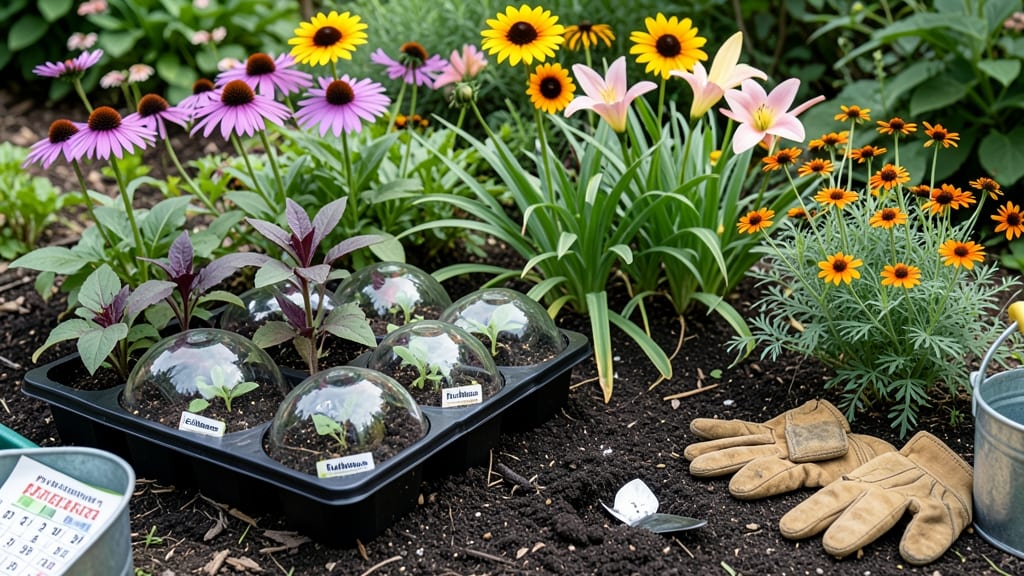
To plant flowers in Connecticut at the perfect time means timing your spring and fall plantings with the last frost date—around April 15—so your 🌸 blooms thrive from early spring to late fall.
Connecticut’s unpredictable spring weather can make timing your flower planting a real challenge—but getting it right means vibrant blooms from early spring to late fall.
As a USDA Zone 6b gardener, knowing exactly when to plant annuals, perennials, and bulbs is the difference between a lackluster garden and a showstopper.
Below, I’ll break down the best planting windows for each type of flower, how to adjust for Connecticut’s microclimates, and 5 signs you’re planting too early—and how to fix it.
Best planting times for Connecticut flowers by type (annuals, perennials, bulbs)
Timing your flower planting in Connecticut depends on whether you're growing annuals, perennials, or bulbs. Connecticut’s USDA Zone 6b means we get a short but sweet growing season, so knowing the last frost date (April 15) and soil temperatures is key.
Early bloomers like tulips and daffodils need special attention, while hardy perennials can wait until the soil warms.
For spring bulbs, start prepping in late winter (February) by chilling bulbs in the fridge. Annuals like marigolds and petunias should wait until after the last frost, while perennials like coneflowers thrive when planted in early spring or fall.
Let’s break down the exact planting timeline to maximize your blooms.
🌱 Tip: Use a soil thermometer to check if soil has warmed to 60°F before planting seeds—this prevents poor germination.
| Plant Type | Best Planting Time | Soil Temp | Notes |
|---|---|---|---|
| Spring Bulbs (Tulips, Daffodils) | Late September - October (fall) or early spring (March) | 45-55°F | Plant 6-8 weeks before last frost for spring blooms. |
| Fall Bulbs (Crocus, Hyacinth) | September - October | 50-60°F | Early bloomers for spring color; mulch after planting. |
| Annuals (Marigolds, Petunias) | After last frost (May 1 - June 1) | 60°F+ | Start indoors in March for earlier blooms. |
| Perennials (Coneflowers, Black-Eyed Susans) | Early spring (April) or fall (September) | 50°F+ | Fall planting reduces transplant shock. |
| Cold-Hardy Annuals (Pansies, Snapdragons) | Early spring (March) or fall (August) | 45°F+ | Tolerate light frost; ideal for early/late season color. |
If you’re planting spring bulbs like tulips or daffodils, now is the time to act! These need 6-8 weeks of chilling before the last frost.
Store bulbs in a cool, dark place (like your fridge’s crisper drawer) until late September—then plant them 6 inches deep and 6 inches apart for optimal blooms next spring.
For annual flowers, wait until after Connecticut’s last frost date (April 15) to plant heat-loving varieties like geraniums or zinnias. If you’re eager for color, start pansies or snapdragons in early spring (March)—they handle light frost and bloom early.
These cold-hardy annuals are perfect for extending your season.
🌿 Pro Tip: Use row covers to protect early plantings from late frosts. They trap heat and create a microclimate for tender seedlings.
Don’t overlook fall planting! Many perennials, like hostas or daylilies, establish stronger roots when planted in September. The cooler temps and consistent moisture help them avoid transplant shock. Plus, fall-planted bulbs like crocus will surprise you with early spring blooms.
For container gardening, you can push the limits slightly. Plant heat-tolerant annuals like portulaca or lantana as late as June 15—they thrive in hot, dry conditions. Just ensure containers have drainage holes and use well-draining potting mix to prevent root rot.
If you’re unsure about your local frost dates, check the National Weather Service or use a frost calendar for your specific town. Coastal areas (like New Haven) may have later frosts than inland regions (like Hartford), so adjust accordingly. A 5-degree difference can
How to adjust planting dates for Connecticut’s microclimates (coastal vs. inland)
Connecticut’s diverse geography creates distinct planting zones—coastal areas like New Haven experience milder winters and earlier springs, while inland regions such as Hartford and Litchfield face colder temperatures and later frost dates.
These differences can shift your planting timeline by 2-3 weeks, so knowing your microclimate is key to avoiding frost damage or missed bloom seasons.
A soil thermometer is your best tool for timing plantings. Coastal areas typically reach 60°F soil temps (ideal for seeds) by mid-April, while inland spots may need to wait until late April or early May.
Always check local frost-free dates—New Haven averages April 10, while Hartford’s last frost often lingers until May 1.
Here’s how to adjust your planting schedule based on Connecticut’s coastal vs. inland microclimates:
For coastal gardeners, leverage the earlier season by planting warm-season flowers like zinnias and sunflowers by April 20. Use black plastic mulch to speed up soil warming. Inland gardeners should prioritize cold-hardy perennials (e.g., coneflowers) and delay heat-lovers until May 15 to avoid frost.
Pro tip: Row covers can push your coastal planting window back by 3-4 weeks in both zones. For example, I’ve successfully planted calendulas in early March under covers in New Haven—just remove them when flowers appear to prevent overheating. Inland, use them to protect geraniums until May 1.
Always monitor local weather forecasts, as late-season frosts can still occur in May. Coastal areas may experience 50% fewer frost days than inland, so don’t rush—wait for consistent 55°F nighttime temps before planting tender annuals in either zone. 🌸