
Flowers
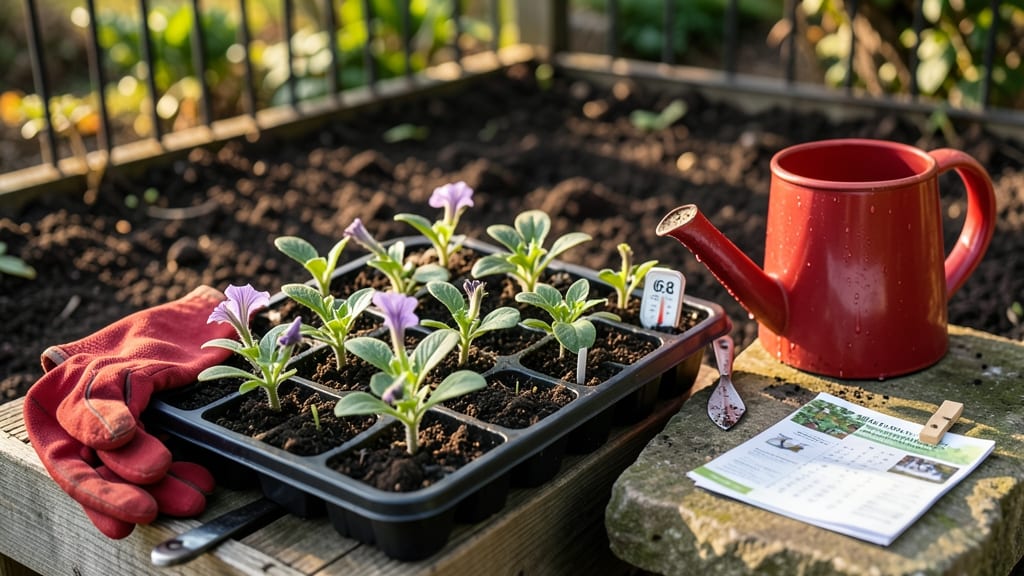
Knowing when it is safe to plant flowers outside transforms your garden dreams into a lush, colorful reality 🌸—and getting that timing right means the difference between a thriving bloom and a sad, wilted mess.
Timing your flower planting just right can mean the difference between a vibrant garden and a sad, frost-bitten disappointment—so when exactly should you risk moving those delicate seedlings outside?
For most gardeners in USDA Zone 6a, like me, the answer lies in waiting until after the last frost—typically mid-April—but it’s never as simple as checking a calendar. Soil temperature, local microclimates, and even the type of flowers you’re planting all play a role.
In this guide, I’ll walk you through how to pinpoint your exact frost-free date, adjust for your region, and even spot the 5 key signs that it’s truly safe to plant—so you can enjoy those first blooms without a second thought.
How to determine your local frost-free date for flower planting
Timing your flower planting can be tricky—one wrong move and your tender seedlings could turn into frost-kissed casualties. The key to success? Knowing your local frost-free date, which tells you when it’s safe to plant annuals, perennials, and heat-loving flowers outdoors.
Without this info, you might be rushing your marigolds or petunias into the ground too soon, only to watch them wilt under a surprise late-spring frost.
Your frost-free date isn’t just a random guess—it’s based on historical climate data, your USDA hardiness zone, and local weather patterns. For example, gardeners in Zone 5 might see their last frost in early May, while those in Zone 9 could plant year-round with minimal frost risk.
But how do you find your exact date? The answer lies in a mix of USDA zone maps, NOAA frost calculators, and a little local know-how.
Here’s the good news: You don’t need a degree in meteorology to figure it out. With just a few clicks, you can uncover your frost-free window and avoid the heartbreak of frost-damaged flowers.
Let’s break it down into simple steps so you can confidently plant your geraniums and zinnias at the perfect time.
| Step | Action | Tools Needed | Time Needed |
|---|---|---|---|
| 1 | Find your USDA hardiness zone using the USDA Plant Hardiness Zone Map. | Computer/tablet | 2 minutes |
| 2 | Visit the NOAA Climate Data website and enter your zip code to find your average last frost date. | NOAA frost calculator | 3 minutes |
| 3 | Adjust for microclimates (e.g., urban areas stay warmer; valleys freeze earlier). | Local gardener network | 5 minutes |
| 4 | Use a soil thermometer to confirm ground temps are above 50°F for warm-season flowers. | Soil thermometer | 10 minutes |
| 5 | Check the 10-day forecast for frost warnings before planting tender annuals. | Weather app | 2 minutes |
First, locate your USDA hardiness zone. Head to the USDA Plant Hardiness Zone Map (available online) and enter your zip code or city. This will pinpoint your 10-zone range, like Zone 6a or Zone 8b.
For example, if you’re in Zone 7, your last frost date might fall between March 15 and April 15, depending on your exact location. This zone tells you which perennials will survive winter, but it’s not enough alone for planting annual flowers.
Next, dive into the NOAA Climate Data website. Their frost-free date calculator pulls from decades of local weather records to give you a 90% confidence interval for your last frost date.
For instance, if NOAA shows your average last frost is April 10, but your 10-year history shows frost as late as April 25, err on the side of caution. Planting impatiens or begonias before then could mean frost damage.
Don’t forget about microclimates—your garden might not follow the neighborhood’s average. Urban areas often stay 3–5°F warmer than rural spots, while valleys and low-lying areas can freeze earlier. Talk to local gardeners or check community garden forums for real-world insights.
For example, a south-facing slope might warm up faster than your front yard, giving you an extra 1–2 weeks of planting time.
Once you’ve nailed down your frost-free date, verify it with a soil thermometer. Most warm-season flowers, like tomatoes and marigolds, need soil temps above 50°F to thrive.
If your soil is still chilly, wait a few more days—even if the calendar says it’s safe. Pro tip: Plant cool-season flowers,
When to plant flowers outside by USDA Zone: a month-by-month guide
Timing your flower planting is everything—plant too early, and frost will turn your tender seedlings into sad, mushy memories. But knowing your USDA zone and local climate lets you pinpoint the perfect window for warm-season blooms like marigolds or cool-season favorites like pansies.
Whether you're in chilly Zone 3 or balmy Zone 11, this guide breaks down the best months to plant, with adjustments for microclimates and high-altitude areas.
Most gardeners focus on the last frost date, but soil temperature and regional quirks matter just as much. For example, Zone 5 might see frost until May 15, but a sheltered microclimate could be safe weeks earlier.
Meanwhile, high-altitude gardens in Zone 7 often need to wait longer than coastal areas. Let’s dive into the month-by-month breakdown to avoid those frost-related heartbreaks.
🌱 Comparison Table: Best Planting Months by USDA Zone & Flower Type
| USDA Zone | Cool-Season Flowers (Pansies, Snapdragons) | Warm-Season Flowers (Marigolds, Petunias) | High-Altitude Adjustment |
|---|---|---|---|
| Zones 3–4 | Late April–May | After June 1 (soil 60°F+) | Wait 2–3 weeks longer |
| Zones 5–6 | Mid-April–May | Mid-May–early June | Wait 1–2 weeks |
| Zones 7–8 | March–early April | April–May | Minimal delay (5–7 days) |
| Zones 9–11 | Fall (Sept–Oct) or spring (Feb) | Feb–March (or year-round in 11) | None needed |
Adjust for microclimates: Sheltered areas plant 1–2 weeks earlier; frost pockets delay by 2+ weeks.
For cool-season flowers, the rule is simple: plant as soon as the soil is workable, even if frost lingers. Pansies and violas can handle light frosts, while snapdragons thrive in cooler temps.
In Zones 3–5, aim for late April to early May, but if you’re in a frost pocket, push it to mid-May. Use frost blankets for extra protection if planting early.
Warm-season bloomers like petunias and geraniums demand patience—wait until the soil reaches at least 60°F and nighttime temps stay above 55°F. In Zone 7, that’s usually mid-May, but in Zone 10, you can start as early as February.
High-altitude gardens (e.g., Denver, CO) may need to wait until June for warm-season plants to avoid stunted growth from lingering cool nights.
Don’t forget about microclimates—your garden might have a sunny, sheltered spot that warms up weeks before the official frost-free date. Test soil temperature with a soil thermometer (aim for 60°F for warm-season flowers) and watch local weather forecasts for overnight lows.
If your area has unpredictable frost, err on the side of caution and plant 2–3 weeks later than the table suggests.
Pro tip: Start cool-season flowers indoors 4–6 weeks before your target outdoor date to jumpstart growth. For warm-season varieties, use biodegradable pots to transplant seedlings after the last frost, minimizing root disturbance.
And if you’re in Zone 11 or similar, you can plant warm-season flowers year-round—just watch for sudden cold snaps!