
How To
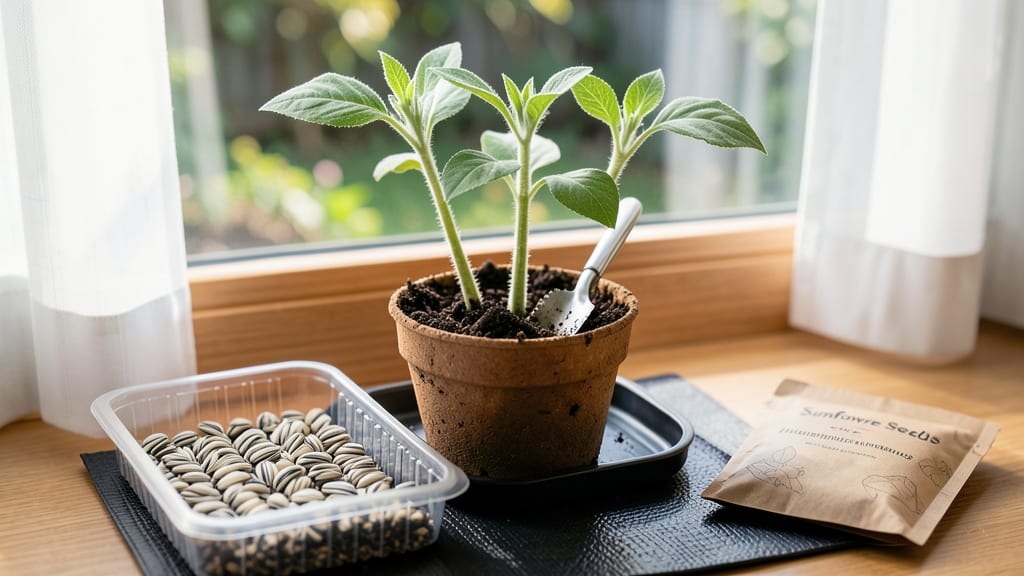
Sowing sunflower seeds at the right time is the key to tall, vibrant blooms that reach their full potential 🌻 — and missing that window can leave you with leggy, weak stems or no flowers at all.
Picture this: you’ve cleared a sunny patch in your garden, but when you finally plant those seeds, the heat arrives too fast, and your sunflowers bolt before they even open. Or worse, a late frost nips them in the bud before they get a chance to grow.
The good news? With the right timing, you can avoid these pitfalls and enjoy a garden full of towering sunflowers by summer.
For most gardeners in USDA Zone 6a (and similar climates), the ideal window is April through May, once the soil has warmed to at least 50°F and the last frost has passed.
But timing varies by region—whether you’re in a cooler northern state or a warmer southern one—so knowing your local frost dates is half the battle.
In this guide, I’ll break down the exact months to sow sunflowers in your climate zone, how to adjust for late frosts or early heat, and which varieties thrive best in short vs. long growing seasons.
By the end, you’ll know not just when to plant, but how to set your sunflowers up for success from seed to bloom.
Sunflower planting dates by USDA climate zone (with exact months)
Timing is everything when it comes to growing sunflowers. These cheerful blooms need warm soil and consistent sunlight to thrive, but the exact planting window depends entirely on your USDA climate zone.
In colder zones like Zone 3, you might start seeds indoors in March, while gardeners in Zone 11 can direct-sow year-round. Let’s break down the perfect month-by-month schedule for each zone to ensure your sunflowers reach their full, towering potential.
Before we dive into the schedule, remember that sunflowers are frost-sensitive seedlings. They won’t tolerate temperatures below 50°F (10°C), so always wait until the last frost date has passed—or use protective measures like row covers if you’re eager to plant early.
For direct sowing, aim for soil temperatures of at least 55°F (13°C), which is crucial for germination. In warmer zones, you can even plant sunflowers in late summer for a fall harvest!
For gardeners in Zones 3-4, where winters are long and summers short, focus on early-maturing varieties like ‘Teddy Bear’ (50 days) or ‘Moulin Rouge’ (60 days). Start seeds indoors in March and transplant after your last frost date, typically in mid-May.
If you’re direct-sowing, wait until the soil is consistently above 55°F (13°C), which usually aligns with late May in these colder regions. Use black plastic mulch to warm the soil faster and extend your growing season.
In Zones 5-6, you have a bit more flexibility. You can start seeds indoors in late March or direct-sow as early as late April, provided the soil has warmed. This zone is ideal for standard sunflower varieties like ‘Russian Giant’ (120 days) or ‘Autumn Beauty’ (60 days).
To maximize blooms, stagger your plantings every 2-3 weeks from April through June. This ensures a continuous display of color throughout the summer and into early fall.
Gardeners in Zones 7-8 can enjoy two planting windows: spring and fall. For a spring harvest, direct-sow in early April or start seeds indoors in February. If you’re aiming for fall blooms, plant in late summer (August-September)
This zone supports tall varieties like ‘Mammoth’ (144 inches!) but also works well for dwarf sunflowers like ‘Sunspot’ (2-3 feet tall) in containers. Always choose varieties with 90+ days to maturity for the best results. In warmer Zones 9-10, sunflowers can be planted almost year-round, but the best times are February through June for spring blooms and September for fall. The soil warms quickly here, so you can direct-sow as soon as temperatures rise above 45°F (7°C). Heat-tolerant varieties like ‘ProCut’ (great for bouquets) or ‘Evening Sun’ (disease-resistant) thrive in these climates
How to adjust sunflower planting for late frost or early heat
Unpredictable weather can throw off even the best-laid sunflower planting plans. Late frosts can kill tender seedlings, while early heat waves may stress young plants before they establish roots. The key is adapting your approach to protect your sunflowers without sacrificing their vibrant growth or blooming potential.
Sunflowers are generally frost-tolerant once established, but young seedlings can’t handle temperatures below 50°F. If your area experiences late frosts, you’ll need to use protective measures or adjust your planting timeline. For early heat, focus on shade solutions and water management to prevent wilting.
⚠️ WARNING: Late Frost Risks ⚠️ Sunflowers sown too early face seedling death from frost. If your last frost date is unpredictable, wait until soil temperatures consistently reach 55°F before planting. Use a soil thermometer to monitor—cold soil slows germination.
For extra safety, opt for early-maturing varieties like 'Teddy Bear' (50-55 days) or 'Moulin Rouge' (55-60 days), which can bolt faster if conditions warm suddenly.
One of the best strategies for late frosts is staggered sowing. Plant a small batch every 10-14 days until your final frost date. This ensures at least one group will survive and thrive.
For example, in USDA Zone 5, start seeds indoors in late April and transplant outdoors after May 15, then sow another batch in early June for a second flush of blooms.
When early heat arrives, sunflowers can suffer from heat stress, which stunts growth or causes flower buds to drop. To mitigate this, use lightweight row covers or shade cloth (30-50%) during the hottest weeks.
Water deeply in the early morning to keep soil moisture high, and mulch with straw or grass clippings to retain moisture and cool roots. Avoid overhead watering, which can scorch leaves.
For gardeners in Southern climates, choose heat-tolerant varieties like 'Autumn Beauty' or 'Russian Giant,' which handle temperatures up to 95°F better than standard types. These varieties also have longer days-to-maturity (70-90 days), giving them time to establish before summer’s peak heat arrives.
Always monitor your local frost forecasts and heat advisories—tools like the National Weather Service or Old Farmer’s Almanac provide critical updates. With the right adjustments, you can turn unpredictable weather into an advantage, ensuring your sunflowers reach their full height and brilliance despite the challenges. 🌻