
Plants
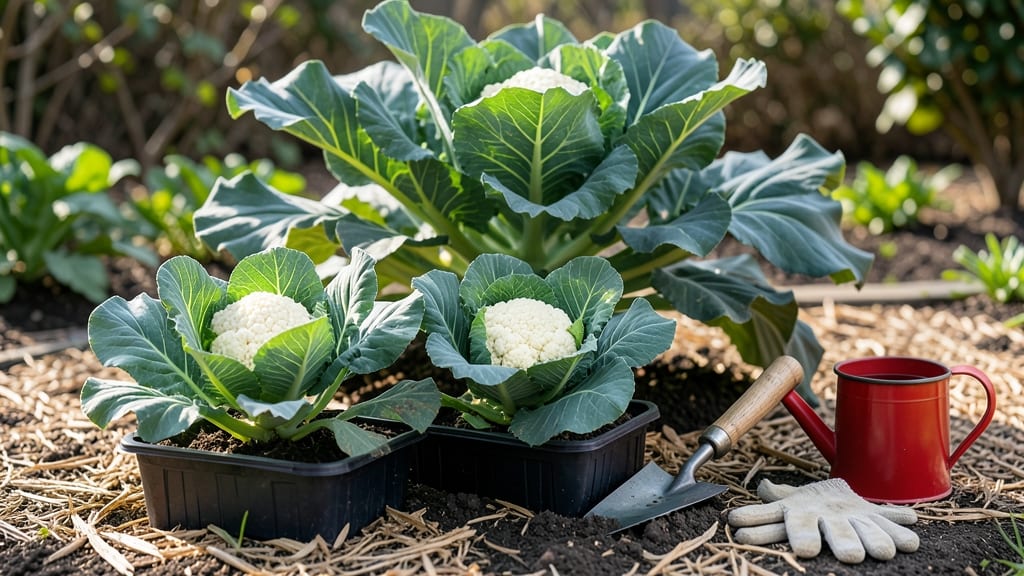
To plant cauliflower in Texas at the right time means 60-100 days of cool weather before the heat arrives — or you’ll end up with bitter, bolting plants instead of tender heads.
Texas gardeners know timing is everything—and planting cauliflower at the wrong time can mean bitter disappointment instead of crisp, flavorful harvests. But with Texas' extreme heat and varied USDA zones, when exactly should you sow these cool-season crops for maximum success?
The answer depends on where you live: North Texas’ 7b-8a zones get a shorter window than South Texas’ 9a-10b, and a late frost can wipe out seedlings if you’re not careful.
Fall plantings in September-October or early spring in February-March are your best bets, but soil temperature and microclimates add another layer of complexity.
Below, I break down the exact dates for each Texas region, how to prep soil for success, and the Texas-specific hacks that keep your cauliflower thriving when the mercury climbs. Let’s get those 🥬 heads growing!
Texas USDA zone planting calendar for cauliflower: exact dates by region
Cauliflower thrives in cool weather but struggles with Texas' intense summer heat. The key to success lies in planting during fall or early spring when temperatures stay mild.
Each USDA zone in Texas has slightly different timing, so let's break down the exact windows for zones 7-10 to maximize your harvest potential.
Texas spans USDA zones 7-10, creating dramatic differences in frost dates. North Texas (7-8) faces earlier frosts than South Texas (9-10). For example, the first frost in Amarillo arrives by December 1, while Houston sees its last frost around January 15.
These variations mean your planting schedule must adjust by region.
Fall planting is the most reliable strategy in Texas, giving cauliflower time to mature before winter. Spring planting is riskier due to early heat, but possible with shade and careful watering. Let's look at the exact dates for each zone to avoid common mistakes like planting too late or too early.
Here's a comparison of ideal planting windows across Texas' USDA zones, including frost dates and harvest timing:
For North Texas (zones 7-8), aim to plant cauliflower between September 1 and October 15 for a fall harvest. This gives plants enough time to mature before the December 1 frost.
If you attempt spring planting, start seeds indoors by February 15 and transplant outdoors by March 15 to avoid early heat stress.
In Central Texas (zones 8-9), you have slightly more flexibility. Plant seeds from September 15 to October 30 for fall crops that will be ready by November.
Spring planting works here too, but only if you start seeds indoors by February 20 and transplant by March 20 to beat the heat.
South Texas (zones 9-10) gardeners have the longest growing season. Plant cauliflower from October 1 to November 15 for winter harvests. Spring planting is possible but risky—start seeds indoors by March 1 and transplant by March 30 to avoid the intense summer heat that arrives by April.
Adjust these dates if you live in a microclimate like a shaded valley or urban heat island. For example, elevated areas in North Texas may experience earlier frosts, while low-lying areas in South Texas might stay warmer longer.
Always check your local Almanac frost dates and adjust by 1-2 weeks if needed.
Pro tip: Use black plastic mulch to warm the soil in spring or shade cloth to protect young plants from afternoon heat. These tricks can extend your planting window by 2-3 weeks in marginal zones. With the right timing, you can enjoy crisp, homegrown cauliflower even in Texas' challenging climate!
How to extend cauliflower season in Texas heat: cooling hacks for longer harvests
Texas summers can turn your cauliflower plants into wilted messes before they even form heads. The key to success? Cooling strategies that mimic the plant's preferred 50-65°F soil temperatures.
I've learned through trial and error that a combination of shade, soil prep, and smart companion planting can push harvests into late spring or even early fall.
Start with soil temperature management—cauliflower roots need cool conditions to thrive. In Texas' heat, I use black plastic mulch to warm the soil slightly in spring plantings while preventing it from overheating.
For fall crops, remove mulch 2-3 weeks before transplanting to let the soil cool naturally. This simple adjustment can mean the difference between bolting plants and healthy heads.
Shade Solutions for Texas Heat
- 30% shade cloth: Best for young seedlings (use until plants reach 6 inches). Blocks 30% of sunlight while allowing enough light for photosynthesis.
- 50% shade cloth: Ideal for head formation (use during 90°F+ days). Reduces stress and prevents bolting.
- Floating row covers: Lightweight fabric that protects from heat spikes while allowing airflow. Remove during cooler mornings.
- Drip irrigation + shade: Combine with morning watering (1-1.5 gallons per plant) to maintain soil moisture without overheating leaves.
Don't underestimate the power of companion planting—some plants act like natural air conditioners for your cauliflower. I always pair mine with radishes (they loosen soil) and dill (repels pests).
For extra cooling, plant lettuce or spinach nearby—their shallow roots help regulate soil temperature. Avoid planting near tomatoes or brassicas, which compete for nutrients and attract similar pests.
Row covers are my secret weapon for young plants in Texas' unpredictable spring weather. Use floating fabric covers (like Reemay) over seedlings until they're 4-6 inches tall. This creates a microclimate that's 5-10°F cooler and protects against sudden heat waves.
I've extended my planting window by 3-4 weeks using this method—just remember to secure the edges tightly to prevent pests from sneaking in.
Timing is everything when it comes to removing shade. I gradually acclimate plants by lifting shade cloth for 2-3 hours daily in the morning (when temps are cooler). By the time they're ready for head formation, they're hardened off and can handle partial afternoon shade.
This slow transition prevents shock and keeps your plants producing instead of bolting.
For late-season extensions, I plant heat-tolerant varieties like 'Snowball Y Improved' or 'Purple of Sicily' in September with 50% shade cloth installed by early October. These varieties handle slightly warmer conditions better than standard types, and the shade keeps them productive until December in most of Texas.
Pair this with daily watering and you'll be harvesting when others are packing up their gardens.