
Plants
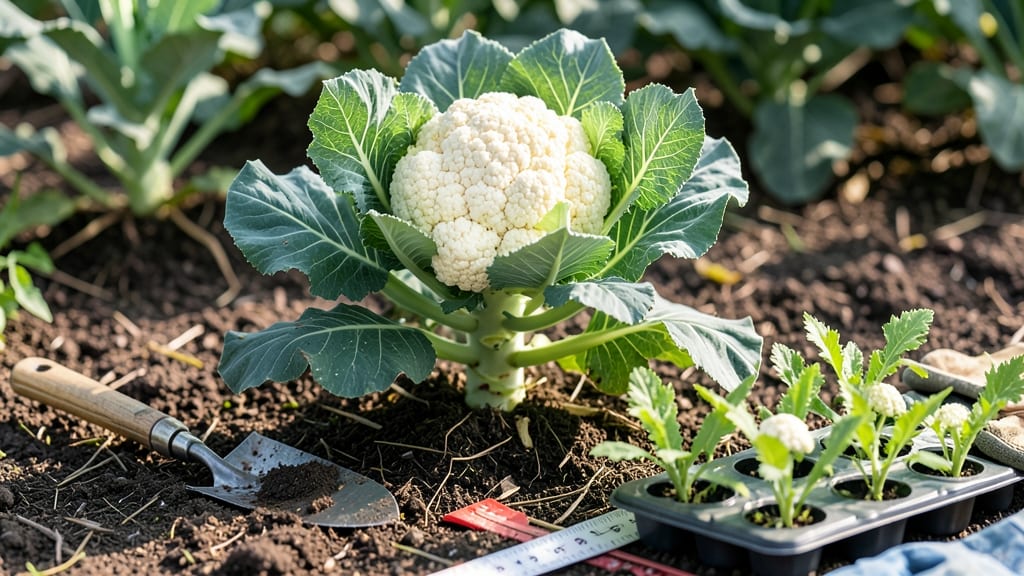
Spacing cauliflower plants properly is the difference between plump, market-ready heads and stunted, pest-magnet crops 🥬.
Struggling with stunted cauliflower heads or pest-infested plants? The secret might be hiding in your garden layout—proper spacing is the foundation for healthy, high-yielding cauliflower crops.
Too close, and your plants compete for nutrients, leaving you with small, bitter heads. Too far apart, and you waste precious garden space. Getting it right means better airflow, fewer diseases, and heads that grow to their full potential.
In this guide, I’ll walk you through the exact spacing rules for your variety, how to adjust for soil and climate, and even how to use spacing as a pest-control trick. Let’s get those plants the room they need to thrive!
How far apart should you plant cauliflower for maximum yield?
If you've ever grown cauliflower only to end up with small, underdeveloped heads or pest-infested plants, your spacing might be the culprit. Cauliflower thrives when given the right amount of room to grow—too close, and you’ll struggle with disease and competition; too far, and you’ll waste garden space.
The key lies in understanding how variety, soil, and climate influence your spacing needs.
Cauliflower plants fall into two main categories: heading types (like 'Snowball' or 'Romanesco') and broccoli-type varieties (such as 'Calabrese'). Each requires slightly different spacing to maximize head size and yield. For example, dwarf varieties like 'Purple of Sicily' need less room than standard types like 'Cheddar'.
Let’s break down the science-backed spacing guidelines to help you plan your garden for a bountiful harvest.
Why spacing matters: Proper spacing ensures adequate airflow, reducing fungal diseases like clubroot and downy mildew. It also allows each plant to access sufficient nutrients and sunlight, leading to larger, firmer heads. In my Zone 6a garden, I’ve found that even a 6-inch difference in spacing can mean the difference between a pint-sized head and a 2-pound monster!
Before grabbing your trowel, consider your soil type and climate zone. Heavy clay soils retain moisture longer, so you can space plants slightly closer, while sandy soils may require extra room to prevent drought stress.
Similarly, cooler climates (like Zones 3-5) allow for tighter spacing because growth is slower, whereas hotter zones (Zones 7-10) need more space to avoid heat stress.
Here’s a quick reference for the most common cauliflower varieties and their ideal spacing:
For heading-type cauliflower, aim for 24-30 inches between plants in rows spaced 30-36 inches apart. This gives each plant enough room to develop a large, compact head without competing for resources.
In my raised beds, I’ve found that 18-inch spacing works well for dwarf varieties, while standard types need the full 30-inch gap to avoid overcrowding.
If you’re growing broccoli-type cauliflower, you can space plants slightly closer—18-24 inches apart—since these varieties produce multiple smaller heads rather than one large one. This also makes them ideal for succession planting, where you stagger plantings every 2-3 weeks for a continuous harvest.
Just be sure to leave 24-30 inches between rows to allow for easy access and airflow.
Don’t forget to consider companion planting
Cauliflower spacing mistakes that kill your harvest (and how to fix them)
If your cauliflower plants look crowded, struggle with pests, or produce small heads, your spacing strategy might be the culprit. I’ve seen gardeners sacrifice entire harvests because they didn’t realize how critical proper spacing is for airflow and disease prevention.
Even a few inches too close or too far can make the difference between a bountiful crop and a disappointing one.
One of the biggest mistakes is treating cauliflower like other leafy greens. Unlike lettuce or spinach, cauliflower needs room to develop large, dense heads. When plants compete for nutrients and sunlight, they’ll produce small, misshapen heads or even fail to form heads at all.
And if you’re growing in humid climates, poor spacing can turn your garden into a breeding ground for fungal diseases like clubroot or downy mildew.
⚠️ CAUTION: Common Spacing Mistakes That Ruin Your Harvest ⚠️
Let’s start with the most obvious mistake: overcrowding. I’ve seen gardeners plant cauliflower seedlings just 12 inches apart, thinking they’ll "make room" as they grow. But this leads to competition for water and nutrients, causing plants to bolt prematurely or produce tiny, underdeveloped heads.
For standard varieties, aim for 18-24 inches between plants in rows spaced 30-36 inches apart. If you’re growing dwarf varieties, you can reduce spacing to 12-18 inches, but never less.
On the flip side, under-spacing is just as harmful. When rows are too far apart, you’re not only wasting garden space but also creating uneven sunlight exposure. Plants on the edges of rows get more sun, while those in the center struggle.
This imbalance leads to uneven maturation and makes it harder to monitor for pests like cabbage moths. To fix this, space rows 30-36 inches apart and use companion plants like dill or thyme to fill gaps naturally.
Another hidden issue is uneven spacing. If your rows aren’t straight or plants are clumped together, you’re creating microclimates where moisture lingers. This is a disease party waiting to happen. Use a garden twine and stakes to create a guide for straight rows.
And if you’re transplanting seedlings, dig small holes and place them at the correct depth (about 1/4 inch deeper than their container) to ensure even growth. Pro tip: Water the soil before transplanting to reduce shock and encourage even root establishment.
Finally, don’t forget about companion planting as a spacing hack. Interplanting cauliflower with herbs like dill or onions not only deters pests but also helps maximize space. These companions thrive in similar conditions but don’t compete for resources.
For example, dill repels cabbage moths, while onions deter aphids. Just be sure to give your cauliflower the priority space—companions should fill the gaps, not crowd the main crop.
Proper spacing isn’t just about numbers—it’s about creating an environment where your cauliflower can thrive. Take the time to plan your layout, and you’ll reap the rewards with larger heads, fewer pests, and a healthier garden. Happy planting! 🥬