
Flowers
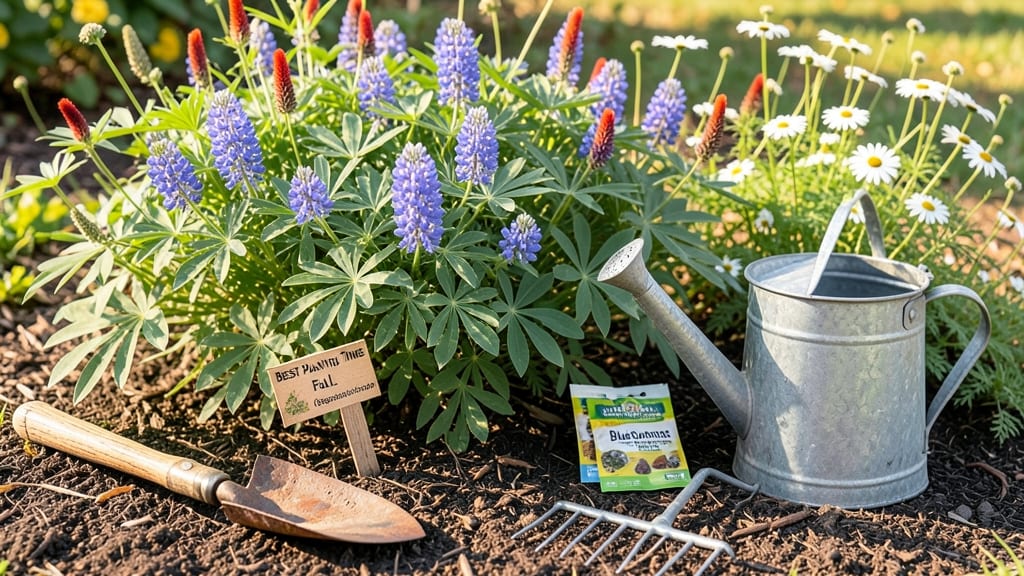
To plant flowers in North Texas, aim for late February to early March for spring blooms and September to November for fall color—timing that dodges frost while leveraging the region’s mild winters.
North Texas gardeners know timing is everything—plant too early, and frost will wipe out your blooms; too late, and summer heat will stunt growth. Mastering the USDA Zone 8a/8b frost dates ensures vibrant flowers from spring to fall.
This isn’t just about picking a month—it’s about matching your 🌸 favorites (like bluebonnets or lantana) to their ideal window. Skip the guesswork with a frost-date timeline tailored to your zone, so you can enjoy blooms all season long.
Below, I’ll break down the exact weeks to plant annuals, perennials, and bulbs, plus pro tips to beat both frost and heat. Ready to turn your garden into a year-round showstopper?
North Texas frost dates by USDA Zone: critical planting windows
Understanding North Texas frost dates is the key to successful flower gardening in USDA Zones 8a/8b. My region typically sees its last spring frost around late February to mid-March, while the first fall frost usually arrives between mid-November and early December.
These dates create a 215-day frost-free growing season, perfect for extending your flower displays year-round.
For frost-sensitive flowers like impatiens or geraniums, timing is critical—plant them only after the average last frost date (March 15). Meanwhile, heat-tolerant varieties such as zinnias or lantana thrive when planted early, even before the last frost, since they handle North Texas' 100°F+ summers with ease.
🌱 North Texas Flower Planting Windows by Frost Sensitivity
| Flower Category | Ideal Planting Months | Key Frost Considerations | North Texas Examples |
|---|---|---|---|
| Frost-Sensitive Annuals | April–May (after last frost) | Die in 32°F; use row covers | Marigolds, Petunias, Begonias |
| Cold-Hardy Perennials | September–October (fall) | Survive 25°F; mulch for winter | Black-Eyed Susan, Coneflower |
| Heat-Tolerant Annuals | March–April (before heat peaks) | Thrive in 90°F+; avoid summer planting | Zinnias, Lantana, Sunflowers |
| Bulbs & Tubers | September–October (fall) or February (spring) | Plant 6–8 weeks before frost | Daffodils, Tulips, Crocus |
| Fall-Blooming Annuals | August–September (6+ weeks before frost) | Need time to establish roots | Pansies, Snapdragons, Aster |
My spring planting window opens after the last frost date, typically by mid-March. This is when I plant heat-loving annuals like zinnias and cosmos, which can handle North Texas' intense summer heat.
For frost-sensitive varieties, I wait until April 15 to ensure no late frosts damage tender seedlings.
Fall planting is equally critical. I start cool-season flowers like pansies and snapdragons in August, giving them time to establish roots before the first frost. Perennials, such as black-eyed Susans, can be planted until mid-October for a spring bloom the following year.
For bulbs and tubers, I follow a simple rule: plant them 6–8 weeks before the first frost. In North Texas, this means mid-September to early October for spring-blooming varieties like daffodils. I also plant fall-blooming bulbs, such as crocus, in October to enjoy early winter color.
Extending your flower season in North Texas requires strategic planning. For example, I use row covers to protect frost-sensitive annuals in early spring, while mulching helps perennials survive winter.
Choosing the right flower varieties for each season—heat-tolerant for summer and cold-hardy for fall—ensures continuous blooms from March to November.
One of my favorite North Texas gardening hacks is succession planting. By staggering annual flower plantings every 2–3 weeks from March to June, I guarantee blooms all summer long.
For instance, I plant cosmos in March for early summer color, followed by sunflowers in April and zinnias in May.
Don’t forget about fall protection! A lightweight frost cloth can extend the life of tender perennials like salvia or lantana by 2–3 weeks
Best flowers to plant in North Texas by season (with frost resistance guide)
North Texas's long, hot summers and mild winters create a perfect growing season for flowers—but timing is everything. Plant annuals like zinnias too early, and frost will kill them.
Wait too late, and summer heat will stress them. The key? Matching each flower's frost tolerance to North Texas's USDA Zone 8a/8b climate.
For spring blooms, start seeds indoors in January or transplant cold-hardy varieties like pansies and snapdragons after the last frost (mid-March). Summer lovers like lantana and marigolds thrive when planted after April 15, once soil warms.
Fall favorites such as mums and salvia need to go in by September 1 to establish roots before winter.
Comparison Table: Best Flowers by Season in North Texas
| Season | Flower Variety | Planting Time | Frost Resistance | Sun Needs |
|---|---|---|---|---|
| Spring | Pansies, Snapdragons | Feb 15 - Mar 15 | Cold-hardy (28°F) | Full sun to partial shade |
| Summer | Zinnias, Lantana, Marigolds | Apr 15 - May 31 | Heat-tolerant (90°F+) | Full sun (6+ hours) |
| Fall | Mums, Salvia, Cosmos | Aug 1 - Sep 15 | Moderate (32°F) | Full sun to partial shade |
| Winter | Sweet Alyssum, Calendula | Oct 15 - Nov 15 | Cold-tolerant (25°F) | Full sun to partial shade |
My top frost-resistant picks for North Texas include salvia and snapdragons, which handle 28°F temperatures without issue. For summer heat lovers, zinnias and lantana thrive in 100°F+ conditions. Always check seed packets for days to maturity—planting cosmos by August 1 ensures blooms before frost.
Pro tip: Use mulch to protect fall plantings from early November frosts. For extended summer color, try succession planting—sow marigolds every 4 weeks from April to July. This keeps your garden blooming until first frost.
Don’t overlook perennials like black-eyed Susans or Texas bluebonnets, which return year after year with minimal care. They’re drought-tolerant once established, making them perfect for North Texas’s variable rainfall.
Start with 3-5 plants of each variety to test your garden’s conditions. Adjust planting times by 1-2 weeks based on your microclimate—shadier spots may need earlier fall plantings to avoid late-season heat stress. 🌸