
Blooming
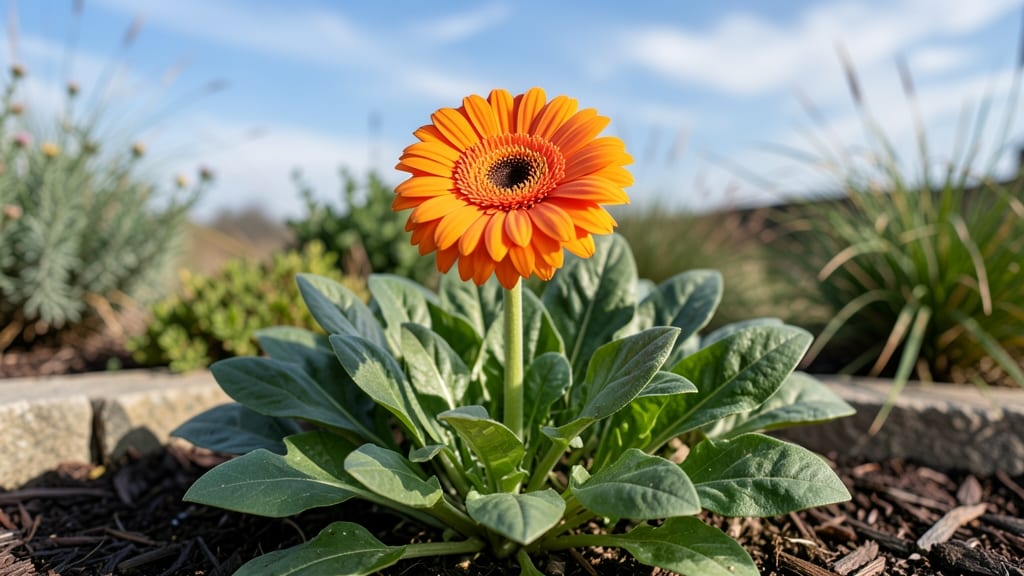
The gerbera flower season brings bursts of color that turn gardens into living art—but getting those vibrant blooms to last depends on where you live and how you care for them.
If you’ve ever planted gerbera daisies 🌼 only to watch them fade before summer’s end, you’re not alone. The truth is, these cheerful flowers thrive in very specific conditions, and their blooming window can stretch from early summer to deep fall—or even year-round in the right climate.
From USDA Zone 6a’s spring-summer show to tropical regions where they bloom nonstop, the secret lies in understanding your local climate and a few simple care tweaks. Whether you’re in a temperate zone or a warmer region, I’ll show you how to extend that colorful season** by months.
Ready to unlock longer-lasting gerbera blooms? Here’s what you need to know about timing, care, and the best varieties for your zone.
Gerbera flower season by USDA climate zones: peak bloom months explained
Gerbera daisies thrive in warm climates but their blooming seasons vary dramatically across USDA zones 3-11. Understanding these patterns helps you choose the right varieties and planting times for year-round color. In cooler zones, gerberas bloom late spring to early fall, while tropical regions enjoy near-continuous flowering.
Microclimates—like urban heat islands or coastal breezes—can shift bloom times by 2-4 weeks. For example, a zone 7 garden near the ocean might see gerberas blooming earlier in spring than inland areas.
Let’s break down what to expect in each zone, including early vs. late varieties that extend your season.
| USDA Zone | Peak Bloom Months | Early Varieties | Late Varieties | Microclimate Tip |
|---|---|---|---|---|
| Zones 3-5 | June–September | 'Terry White' (May) | 'Mambo' (October) | Use black mulch to warm soil |
| Zones 6-7 | May–October | 'Cavendish' (April) | 'Orange Queen' (November) | Plant near south-facing walls |
| Zones 8-9 | March–December | 'Terry Red' (February) | 'Pink Beauty' (January) | Shade cloth in summer |
| Zones 10-11 | Year-round | All varieties (Feb) | All varieties (Dec) | Prune after heavy rains |
Bloom times shift 2-4 weeks with microclimates like urban heat or coastal winds.
In zones 3-5, gerberas need protected planting and cold-hardy varieties like 'Terry White' to bloom as early as May. These zones offer the shortest natural season, but container gardening lets you move plants to sheltered spots for extended blooms until frost.
Zones 6-7 enjoy the sweet spot for gerberas, with 5-6 months of blooms if you mix early and late varieties. For example, 'Cavendish' kicks off in April, while 'Orange Queen' lingers into November. In these zones, mulching and consistent watering prevent stress that shortens the season.
Southern gardeners in zones 8-9 can push gerbera seasons even further. With year-round potential, these zones benefit from seasonal pruning—cutting back in late summer to encourage a fall rebloom. Varieties like 'Terry Red' thrive in cooler winters, while 'Pink Beauty' handles mild heat better.
Tropical zones 10-11 offer the ultimate gerbera paradise, with continuous blooms if you provide partial shade during peak summer. Here, deadheading becomes critical to prevent overcrowding and ensure longer stems. Even in these ideal climates, heavy rains can stress plants, so elevated beds improve drainage.
Regardless of your zone, light levels impact bloom quality. Gerberas need 6+ hours of sun, but in zones 10-11, afternoon shade prevents wilting. For cooler zones, reflective mulches or greenhouse frames can extend the season by 3-4 weeks.
Pro tip: Track your gerbera’s first and last blooms for 3 years to identify your local microclimate patterns. Over time, you’ll spot trends—like earlier springs or longer fallsmaximum color.
Gerberas reward attentive care with bold, long-lasting blooms. Whether you’re in frost-prone zone 4 or tropical zone 11, choosing the right varieties and adapting to your microclimate ensures your garden stays vibrant all season long. 🌼
How to extend gerbera bloom season: pro tips for longer-lasting flowers
Gerbera daisies are sunshine in a bloom, but their seasonal display can feel short-lived if you don't optimize care. The good news? With the right strategies, you can extend their flowering period by weeks—or even months!
I’ve tested these techniques in my own garden, and they work whether you’re in USDA Zone 6 or Zone 10.
Gerbera flowers thrive on consistency, and small adjustments in soil health, light exposure, and maintenance routines make a surprising difference. The key is to mimic their natural growing conditions while giving them the extra care they need to keep blooming.
Let’s dive into the pro tips that’ll keep your gerbera daisies vibrant longer.
🌼 5 Pro Tips to Extend Gerbera Bloom Season
- 1. Deadhead Daily: Snip off spent blooms right at the base to redirect energy to new flowers. This simple step can double your blooming time!
- 2. Feed with Phosphorus: Use a 5-10-10 fertilizer every 4-6 weeks during peak season to boost flower production.
- 3. Optimize Sunlight: Gerberas need 6+ hours of direct sun. In hot zones, provide afternoon shade to prevent wilting.
- 4. Mulch for Moisture: Apply 2-3 inches of mulch to retain soil moisture and regulate temperature, especially in dry climates.
- 5. Adjust Watering: Water deeply in the morning to prevent fungal issues. Avoid soggy soil, which shortens bloom life.
One of my biggest mistakes was skipping deadheading—until I realized how much it impacted my gerbera’s longevity. By removing faded blooms, you’re not just tidying up; you’re encouraging the plant to focus on new growth.
I’ve seen gerbera plants in my garden flower nonstop for 3 months when I follow this rule religiously.
For cooler climates (Zones 6-8), I also recommend using black plastic mulch in early spring. It warms the soil faster, giving gerberas a head start on blooming.
In warmer zones (Zones 9-11), focus on shade cloth during peak summer heat to prevent stress. These tweaks can push your gerbera’s season by 4-6 weeks!
Don’t forget to rotate your plants every few weeks if they’re in containers. This ensures even light exposure and prevents leggy growth, which can reduce flowering.
I place mine on a turntable in my greenhouse for perfect balance. Even a simple 180-degree turn weekly makes a difference in compact, bushier plants.
With these strategies, your gerbera daisies will stay vibrant longer and reward you with continuous color throughout the growing season. The secret? A little extra attention goes a long way—just like with any high-maintenance beauty in your garden! 🌻