
Flowers
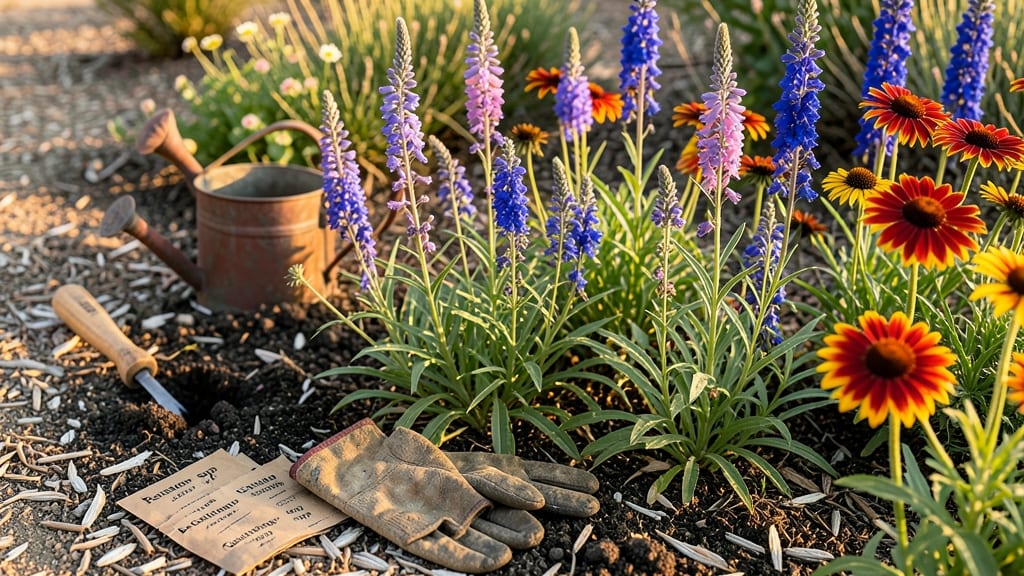
Planting flowers in Utah means timing your garden to avoid the freeze-thaw rollercoaster of USDA Zones 5-9, where a late frost can turn your blooms into sad, crispy memories.
Utah’s climate is anything but one-size-fits-all—whether you’re in the high desert of St. George or the chilly valleys near Park City, the right planting window makes all the difference.
Get it wrong, and your 🌸 annuals might bolt before they bloom, or your perennials could struggle to root before winter sets in.
Here’s the breakdown: when to start seeds indoors, when to pop bulbs into the ground, and how to stretch your season with cold-hardy picks that thrive in Utah’s unpredictable weather.
By the end, you’ll know exactly which flowers to plant in March, which wait for April, and how to cheat the system with fall planting hacks that keep your garden vibrant year-round.
Utah flower planting calendar by USDA Zone (4-7) and season
Utah’s USDA Zones 4-7 create a unique gardening puzzle—where high-elevation valleys like Park City (Zone 5) freeze earlier than desert lowlands like St. George (Zone 7). Your last frost dates can shift by 6 weeks between these regions, making timing everything.
Below is your month-by-month planting guide, tailored to Utah’s microclimates and frost-sensitive blooms.
For Salt Lake City (Zone 6), average last frost dates fall around April 10, while first frosts typically hit October 15. In St. George (Zone 7), you can plant tender annuals as early as February 1, with first frost rarely before December 1.
Park City’s Zone 5 gardeners should wait until May 1 for heat-loving blooms.
Use this seasonal breakdown to align your bulbs, perennials, and annuals with Utah’s unpredictable weather patterns.
Cold-hardy tulips and daffodils can go in the ground as early as September in Zone 7, while petunias and marigolds need to wait until after May 15 in Zone 5 to avoid frost damage.
🌱
For Zone 4 gardeners in Park City, focus on early spring bulbs like crocuses and snowdrops, which can handle sub-zero temps. Start tender annuals indoors by March 1 and transplant after May 15 to avoid late frosts.
In Zone 7’s St. George, desert marigolds and blackfoot daisies thrive with minimal water—plant them February-March for year-round color.
In Salt Lake City (Zone 6), prioritize succession planting for summer blooms. After your May 1 transplant window, add heat-tolerant zinnias every 2 weeks to extend blooms until first frost. For fall perennials, plant chrysanthemums by August 15 to ensure they establish roots before October’s chill.
Pro tip: Use row covers in Zones 4-5 to push spring planting back by 2-3 weeks. In Zone 7, mulch heavily
Best flowers to plant in Utah by season (cold-hardy picks for Zones 4-7)
Utah’s unique microclimates demand flowers that can handle dry heat, cold snaps, and high-altitude winds. Whether you're in Salt Lake City or Southern Utah, these seasonal picks thrive in Zones 4-7 while requiring minimal fuss.
I’ve focused on drought-tolerant, deer-resistant, and native varieties that bloom reliably year-round.
For spring blooms, prioritize cold-hardy bulbs like tulips and daffodils, which push through snow. In summer, lupines and blanket flowers handle Utah’s 100°F+ temperatures with ease. Fall brings aster and goldenrod, while winter surprises with snowdrops and winter aconite.
Plant cold-hardy bulbs like tulips and crocuses in late September–October for early blooms. Lupines and columbines thrive in partial shade and dry soil.
Sow blanket flowers and bee balm in April–May for drought-resistant blooms. Sunflowers and zinnias love Utah’s full sun and hot days.
Plant asters and goldenrod in late July–August for late-season color. Sedum and Russian sage handle fall frosts beautifully.
Add snowdrops and winter jasmine in September–October for early winter interest. These evergreens and woody stems brighten gray days.
My top native Utah flowers—like Utah agave and Indian paintbrush—require zero extra water once established. For deer-prone areas, lamb’s ear and yarrow are deer-resistant powerhouses. Always amend soil with compost before planting, as Utah’s alkaline soil can stunt growth.
Pro tip: Mulch heavily in fall to protect roots from freeze-thaw cycles. I use straw mulch for spring bulbs and gravel mulch for summer perennials to retain moisture. Deadhead spent blooms to encourage longer flowering seasons—this works especially well for zinnias and cosmos.
For high-altitude gardens (e.g., Park City), choose short-season varieties like sweet peas and pansies. In Southern Utah, heat-tolerant portulaca and verbena thrive in 110°F+ temps. Always check microclimate—a north-facing slope may need shade-loving flowers like foxglove or lungwort.
With these seasonal picks, your Utah garden will stay colorful year-round with minimal effort. Start with one season’s flowers, then expand—your pollinators will thank you! 🌸