
Plants
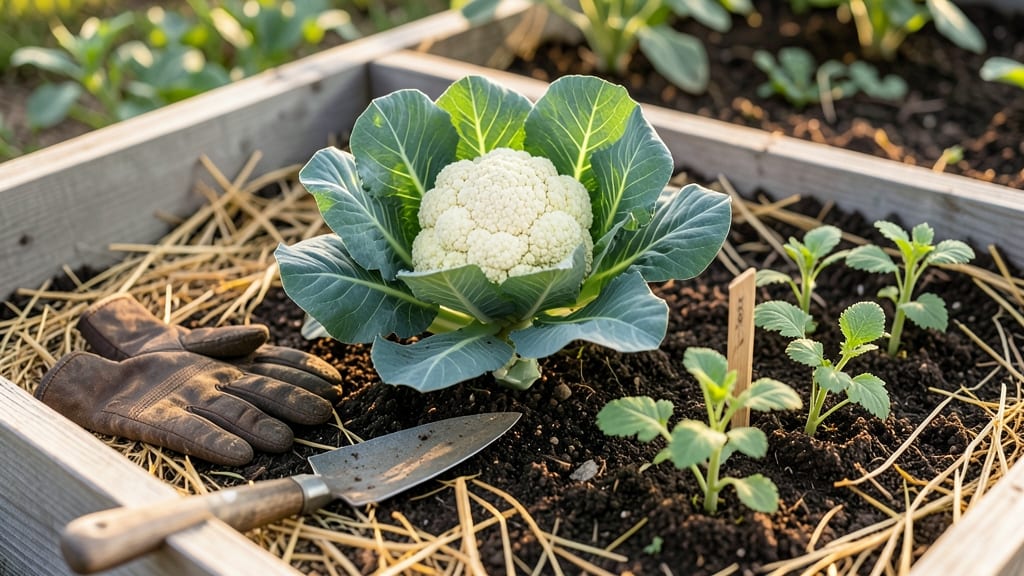
Planting cauliflower in Michigan means timing it just right to avoid frost damage or summer heat—aim for early spring or late summer for the best results.
Michigan gardeners know timing is everything—plant cauliflower too early, and frost will destroy your crop; too late, and summer heat ruins your harvest. Mastering the perfect frost-free window by county is the secret to bumper 🥬 yields.
In USDA zones 5b-6b, your best bet is to start seeds indoors 4-6 weeks before the last frost (usually mid-April) or sow directly in late summer for a fall harvest. This ensures heads mature before the first frost in October.
Below, I’ll break down the exact planting windows by county, soil prep tips, and how to protect seedlings from Michigan’s unpredictable weather—so you can enjoy a homegrown harvest from May through September.
Michigan cauliflower planting dates by county: frost-free Zone guide
Cauliflower thrives in Michigan’s cool seasons, but timing varies dramatically across the state’s USDA zones 5b-6b. Southern counties like Wayne (Detroit) enjoy longer frost-free windows, while northern regions like Marquette in the Upper Peninsula face shorter growing seasons.
Understanding your county’s last spring frost and first fall frost is critical to avoid frost damage or bolting from heat.
For spring plantings, start seeds indoors 4-6 weeks before your county’s average last frost date. Transplant seedlings 2-3 weeks later when soil temperatures reach 40°F+. Fall plantings require 100-120 days to maturity before the first frost, so begin seeds in late July for most regions.
Let’s break down the county-by-county frost-free windows to pinpoint your ideal planting dates.
| County/Region | USDA Zone | Avg. Last Spring Frost | Avg. First Fall Frost | Spring Planting Window | Fall Planting Window |
|---|---|---|---|---|---|
| Wayne (Detroit) | 6a | April 15–20 | October 15–20 | March 1–15 (indoors), April 15–May 1 (outdoors) | July 15–31 (indoors), Aug 1–15 (transplant) |
| Kent (Grand Rapids) | 5b | April 25–May 1 | October 5–10 | March 1–15 (indoors), April 25–May 10 (outdoors) | July 1–15 (indoors), Aug 1–10 (transplant) |
| Leelanau (Traverse City) | 5a | May 1–5 | September 25–October 1 | March 15–April 1 (indoors), May 1–15 (outdoors) | July 1–15 (indoors), Aug 1–5 (transplant) |
| Marquette (Upper Peninsula) | 4b | May 10–15 | September 15–20 | April 1–15 (indoors), May 15–30 (outdoors) | June 15–July 1 (indoors), Aug 1–15 (transplant) |
| Northern Michigan (e.g., Chippewa, Mackinac) | 4a-4b | May 5–10 | September 10–15 | April 1–15 (indoors), May 15–25 (outdoors) | June 15–July 1 (indoors), July 31–Aug 10 (transplant) |
*Adjust dates 1–2 weeks earlier for early varieties or later for slow growers.
In Southern Michigan (e.g., Wayne County), you can push the spring planting window as early as mid-March indoors for a May-June harvest. Meanwhile, Northern Michigan gardeners should wait until early April indoors to avoid late spring frosts.
For fall harvests, start seeds no later than July 15 in most regions to ensure maturity before frost.
Pro tip: Use row covers or cold frames to extend your spring planting window by
How to adjust planting for Michigan’s unpredictable weather patterns
Michigan’s unpredictable spring transitions can turn your cauliflower dreams into frost-killed disappointment. One day it’s 50°F, the next it drops to 32°F—leaving tender seedlings vulnerable. The key? Flexible planting strategies that account for late frosts, heat waves, and inconsistent soil warming.
I’ve learned to adjust my timing based on USDA zones 5b-6b and local microclimates, especially in high-risk areas like the Upper Peninsula or Detroit suburbs.
For spring plantings, I start seeds indoors 4-6 weeks before the average last frost date (mid-April for most of Michigan). But here’s the catch: if your county—like Traverse City or Grand Rapids—has a history of late frosts, delay transplanting until soil temps hit 45°F consistently.
Use a soil thermometer to avoid guesswork. For fall harvests, I aim for July-August plantings, but I never wait past early August in Northern Michigan—the growing season is just too short.
⚠️ callout warning ⚠️
Northern Michigan (USDA 5b) gardeners: Wait until May 15th to transplant cauliflower outdoors—even if your neighbors are planting earlier. The Upper Peninsula and Northern Lower Peninsula average 3-5 late frosts after the official last frost date. Use frost blankets or row covers for 2-3 weeks after transplanting to protect young plants. Southern Michigan (USDA 6b) can plant 2 weeks earlier, but monitor local weather forecasts for 50°F nighttime temps—cauliflower won’t tolerate them.
To warm soil faster, I use black plastic mulch or straw bales in early spring. Spread them 2-3 weeks before planting to raise soil temps by 5-10°F. For high-risk counties, I also plant near south-facing walls or heat-absorbing bricks to create microclimates.
If you’re in Zone 5b, consider cold frames for early starts—they can extend your growing season by 3-4 weeks.
Transplanting is another critical step. I wait until nighttime temps stay above 40°F and days reach 55°F. For Northern Michigan, that’s often late May, while Southern Michigan can start in early May.
Harden off seedlings 10-14 days before transplanting by moving them outdoors for 2-4 hours daily. Use transplanting trays to minimize root disturbance—cauliflower has a delicate root system and struggles with shock.
Protective covers are a game-changer. I keep frost blankets or agricultural fabric on hand for unpredictable cold snaps. Secure them with bricks or stakes to prevent wind damage. For heat waves (which can cause bolting), I use shade cloth (30-50%) during peak summer months.
In Detroit or Grand Rapids, where heat islands raise temps, I even water lightly in the evening to cool the soil.
Finally, monitor your plants daily after transplanting. Look for yellowing leaves (sign of frost damage) or bolting stems (heat stress). If you see curling leaves, it’s time to adjust your watering schedule—cauliflower needs consistent moisture but hates soggy soil.
With these strategies, I’ve successfully grown cauliflower in Michigan’s most challenging years, even when Mother Nature throws curveballs. 🥬