
Plants
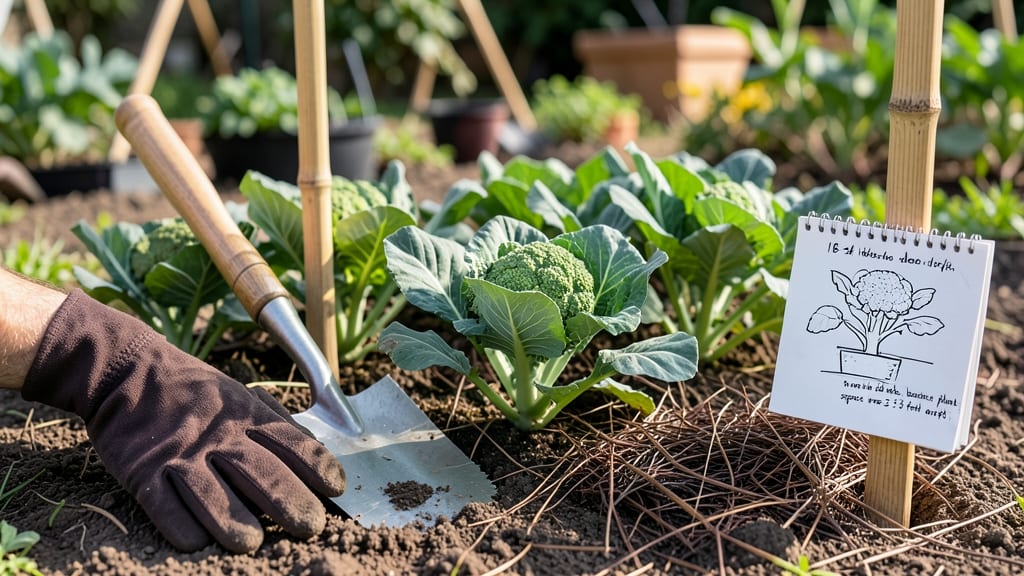
To plant cauliflower in NC, aim for early spring (February–March) or late summer (July–August) to avoid frost and heat stress.
North Carolina’s mild winters and humid summers create the perfect conditions for growing cauliflower—but timing is everything. Plant too early, and frost will ruin your crop; too late, and heat stress will turn your heads into bitter, inedible pucks.
In USDA Zones 7a–8b, your best bet is to start seedlings indoors 4–6 weeks before the last frost (mid-March) or opt for heat-tolerant varieties if planting in summer. The key is matching your schedule to the 200–240 frost-free days NC offers.
Below, I’ll break down the exact frost-date windows by zone, plus tricks to extend your growing season—so you can enjoy fresh 🥬 from spring through fall.
NC frost-dates for cauliflower: USDA Zone 7 vs. Zone 8 planting schedule
Cauliflower thrives in North Carolina’s mild climate, but frost dates determine your planting success. In USDA Zone 7, last frosts average March 15, while Zone 8 sees them around March 1.
First frosts hit Zone 7 by November 15 and Zone 8 by November 22. These dates create tight windows for two planting cycles: spring and fall.
For spring planting, aim to transplant seedlings 4-6 weeks before your last frost date. In Zone 7, this means February 15-March 1, while Zone 8 gardeners should plant February 1-February 20.
Start seeds indoors 6-8 weeks earlier—around January 1-15—to give seedlings a head start before transplanting.
Your comparison table below breaks down exact planting windows, including transplant timing, harvest windows, and heat-sensitive periods to avoid bitter heads. Cauliflower needs 60-80 days to mature, so late summer plantings must happen 100-120 days before your first frost.
Zone 7 gardeners have slightly more flexibility due to later frosts, but both zones share critical heat sensitivity. Cauliflower bolts (prematurely flowers) when daytime temps exceed 85°F.
In Zone 8, this means late July-August plantings must use shade cloth or mulch to keep soil cool. I’ve had success with 30% shade cloth during peak summer afternoons.
For fall plantings, Zone 7 should sow seeds by July 15 and Zone 8 by July 22 to ensure harvest before frost. Use fast-maturing varieties like 'Early Snowball' (60 days) to squeeze in a second crop.
Transplant seedlings 18-24 inches apart in well-draining soil with a pH of 6.0-7.0 for optimal growth.
Pro tip: Succession plant every 2-3 weeks in spring for continuous harvests. In Zone 8, you can even try a third planting in early September for a late fall harvest. Just monitor soil temps—cauliflower needs 60°F+ soil to germinate properly.
Remember, microclimates matter. If you’re in a valley or low-lying area, expect earlier frosts than the average. Conversely, higher elevations in Zone 7 may push your last frost to March 30. Always check your local Cooperative Extension Service for precise frost data.
With these frost-date guidelines, you’ll avoid the two biggest cauliflower mistakes: frost damage and heat stress. Start with the spring window, then plan your fall backup—because in NC, two crops mean double the harvest! 🥬
How to extend cauliflower season in NC: cooling tricks for summer planting
Summer in North Carolina can be brutal for cauliflower, with temperatures often soaring past 85°F and triggering early bolting. But with the right cooling strategies, you can still grow this cool-weather crop during the hot months.
The key is creating a microclimate that mimics spring conditions—keeping roots cool, reducing leaf stress, and preventing heat-induced flowering.
I’ve successfully grown summer cauliflower in my Raleigh garden using three proven cooling methods: shade cloth, mulching, and soil temperature management. These techniques extend your growing window by 4-6 weeks into summer, allowing you to harvest heads when grocery store options are scarce and expensive.
- Use 30-50% shade cloth to block afternoon sun (1 PM–5 PM). This reduces leaf temperatures by 10-15°F and prevents bolting.
- Mulch heavily with 4-6 inches of straw or wood chips to keep soil 5-10°F cooler than ambient air.
- Water deeply twice daily (morning and late afternoon) to create evaporative cooling around roots. Aim for 1-2 inches of water weekly.
- Plant in raised beds filled with 50% compost to improve drainage and maintain cooler soil temps during heatwaves.
- Choose fast-maturing varieties like ‘Snowball Y Improved’ (60-70 days) or ‘Purple of Sicily’ (75-85 days) for summer planting.
For soil temperature management, focus on keeping roots below 70°F. I’ve had the most success with raised beds filled with a mix of compost, coconut coir, and perlite. This blend retains moisture while allowing excess heat to escape.
Test your soil temperature with a soil thermometer—if it rises above 75°F, take action immediately by increasing shade or watering.
Another game-changer is succession planting every 2-3 weeks from June through August. By staggering plantings, you ensure a continuous harvest while younger plants benefit from the cooling effects of older, established crops. Just be sure to harvest the largest heads first to avoid shading out new seedlings.
Don’t forget about nutrient management during summer. Cauliflower needs consistent nitrogen but too much can promote leafy growth over head formation. Use a balanced 5-10-10 fertilizer every 3-4 weeks, and side-dress with compost tea for a gentle boost.
My summer plants thrive when I pair this with morning watering to prevent fungal issues.
With these cooling tricks, you can enjoy homegrown cauliflower well into summer—just like I do with my purple and white varieties ripening in August. The secret isn’t fighting NC’s heat but working with it to create the perfect growing environment. 🌱