
Plants
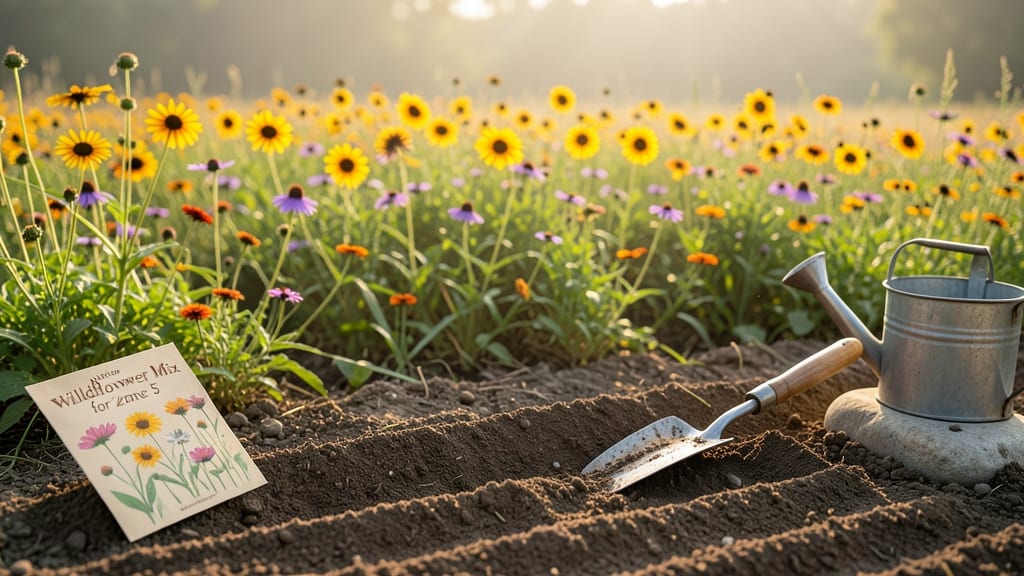
Plant wildflower seeds in Zone 5 during early spring or late summer/early fall for the best results 🌼—this timing lets them establish roots before winter or summer heat.
Transform your Zone 5 landscape into a vibrant wildflower paradise—but timing is everything. Plant too early, and frost will wipe out your dreams; too late, and weeds will steal the show. Here’s exactly when to sow wildflower seeds for maximum blooms and minimal hassle.
Spring planting in Zone 5 works best after the last frost, typically around mid-April, when soil temperatures rise above 40°F. Fall planting, on the other hand, should happen in late summer or early fall—ideally by mid-September—to allow seeds to germinate before the first frost hits.
Below, I’ll break down the best months for planting, how to prepare your soil, and which wildflower varieties thrive in Zone 5’s climate. You’ll learn how to avoid common mistakes and set your garden up for a colorful season ahead.
Best planting months for wildflower seeds in Zone 5: spring vs fall timing
Zone 5 gardeners face a critical decision: spring or fall planting for wildflowers? The answer depends on your sub-zone (5a vs 5b) and local microclimates. Both seasons offer advantages, but timing mistakes can mean wasted seeds or stunted blooms.
Let’s break down the science behind each approach so you can choose the perfect window for your location.
Spring planting typically begins after your last frost date, usually mid-April in most of Zone 5. However, this window is narrower than fall, leaving little room for error. Seeds sown too early may rot in cold, damp soil, while late plantings risk weed competition before establishing roots.
Fall planting, on the other hand, gives seeds a head start on germination, often producing earlier blooms the following year.
Here’s the key difference: Spring planting works best for annual wildflowers that need a full growing season to mature, while fall planting excels for perennials and cool-season species that benefit from winter stratification. Your choice should align with your wildflower mix’s composition and your local frost patterns.
Zone 5a (colder microclimates) has shorter frost-free periods (150 days), making fall planting riskier due to earlier first frosts (mid-October). In contrast, Zone 5b (warmer microclimates) can extend fall planting until late October or even early November in sheltered areas. Always check your local frost dates—they can vary by 1-2 weeks even within the same zone.
🌱 Spring vs Fall Planting Comparison for Zone 5 Wildflowers
| Factor | Spring Planting (Zone 5) | Fall Planting (Zone 5) |
|---|---|---|
| Best Months | March–April (after last frost) | August–September (6–8 weeks before first frost) |
| Soil Temp | 50–60°F (ideal for germination) | 40–50°F (allows stratification) |
| Frost Risk | Low (post-frost) | High (late plantings) |
| Weed Competition | Moderate (spring weeds emerge) | Low (weeds dormant in fall) |
| Best For | Annuals (e.g., Cosmos, Zinnias) | Perennials (e.g., Coneflower, Black-eyed Susan) |
| Zone 5a Window | April 15–May 15 | August 1–September 15 |
| Zone 5b Window | April 1–May 30 | August 15–October 1 |
For Zone 5a gardeners, I recommend prioritizing fall planting in early September. This gives seeds time to germinate before winter dormancy, often resulting in stronger root systems by spring.
In Zone 5b, you have more flexibility—both spring and fall work well, but fall planting can yield earlier blooms the following year.
Pro tip: If you’re unsure about your local frost dates, use a soil thermometer to monitor temperatures. Wildflower seeds typically need consistent soil temps above 50°F for germination.
In spring, wait until the ground warms to this threshold before sowing. In fall, aim for 6–8 weeks before your first frost to allow seeds to establish.
Another critical factor is seedbed preparation. Whether planting in spring or fall, clear the area of weeds and loosen the top 1–2 inches of soil. Wildflower seeds are tiny and need good contact with the soil to germinate.
A light raking after sowing ensures seeds aren’t buried too deeply—most need only 1/4-inch coverage at most.
Don’t overlook microclimates in your yard. South-facing slopes warm up faster in spring and stay warmer in fall, extending your planting window by 1–2 weeks. Conversely, low-lying areas or north-facing spots may require adjusting your timeline by 2–4 weeks later in spring or 2 weeks earlier in fall.
For maximum success, I suggest trying both methods in small sections of your garden. Test
How to prepare your Zone 5 soil and site for wildflower success
Zone 5’s clay-heavy soils and unpredictable frosts demand careful prep before sowing wildflower seeds. Without the right groundwork, your seeds may struggle to germinate or get outcompeted by weeds. Start by testing your soil’s pH and texture—most wildflowers thrive in slightly acidic to neutral soil (pH 6.0–7.0).
If your soil is compacted, amend it with compost or sand to improve drainage and aeration.
Wildflowers are sun-worshippers, so choose a site with at least 6 hours of direct sunlight daily. Even partial shade can reduce blooms and weaken stems. Clear existing vegetation first—wildflowers can’t compete with aggressive grasses or weeds during their early growth stages.
Use a broadfork or till to loosen the top 4–6 inches of soil without disturbing seeds deeper than ¼ inch.
- 🌱 Soil Testing: Use a pH test kit to check acidity. Aim for 6.0–7.0—adjust with lime (to raise pH) or sulfur (to lower).
- 🪴 Amend Clay Soil: Mix in 2–3 inches of compost or coarse sand to break up compaction. Avoid heavy fertilizers—wildflowers prefer lean soil.
- ☀️ Sunlight Check: Mark your site’s sun exposure for 24 hours to confirm 6+ hours of full sun. Shady spots work for shade-tolerant species like wild columbine.
- ✂️ Weed Suppression: Apply mulch or cardboard after planting to block weeds. Wildflowers establish slowly—give them a weed-free head start.
- 🌿 Seed Mix Choice: Native seeds (e.g., black-eyed Susan, coneflower) adapt better than non-natives. Check seed packets for Zone 5 hardiness labels.
For native wildflower mixes, prioritize species adapted to Zone 5’s short growing season. Perennials like purple coneflower and butterfly weed return yearly, while annuals like cosmos and sunflower offer quick color.
If sowing non-native varieties, opt for drought-tolerant types like lupine or poppies, which handle Zone 5’s variable rainfall better.
After prepping your site, lightly rake the soil to create a fine, crumbly texture—this helps seeds make contact with the earth without being buried too deeply. Scatter seeds thinly (follow package rates) and press them into the soil with a board or your hand.
A light misting keeps seeds moist until germination, but avoid overwatering, which can cause rot. Mulch with straw or pine needles to retain moisture and deter weeds.
Zone 5’s late frosts can delay planting, so monitor soil temperatures—seeds need consistent 50–60°F soil temps to germinate. Use a soil thermometer to track progress. If frost threatens after sowing, cover seeds with row fabric until danger passes.
With the right prep, your wildflowers will bloom vigorously and attract pollinators all season long.
Remember, patience is key. Wildflowers may take 2–3 weeks to sprout, and full blooms can take 60–90 days. Resist the urge to disturb the soil—let nature take its course. Soon, your low-maintenance meadow will reward you with vibrant color and wildlife activity from spring to fall. 🌻