
Planting
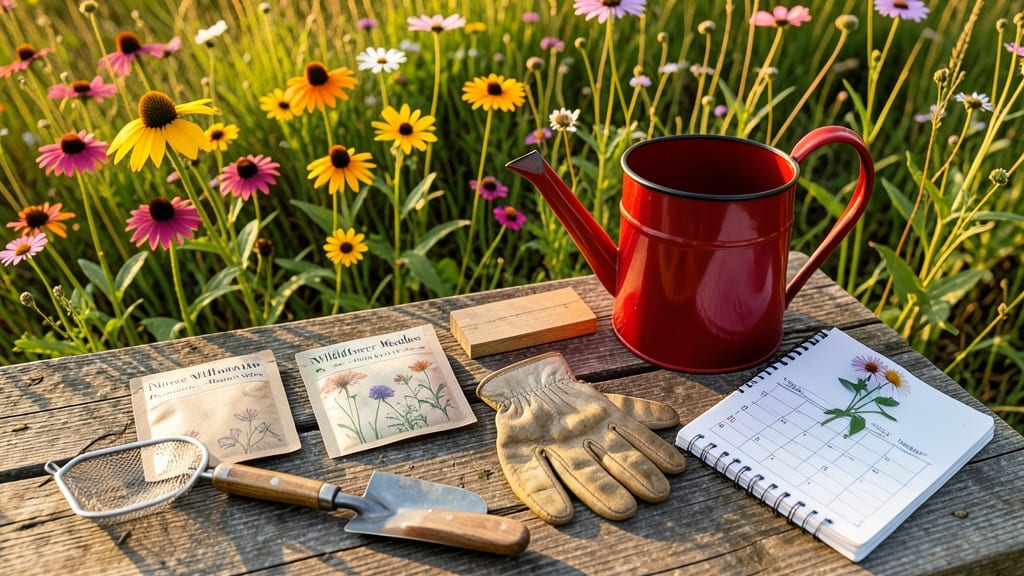
Planting native wildflower seeds at the right time ensures vibrant blooms and thriving pollinators—so timing matters more than you might think.
Picture this: you’ve scattered your 🌼 wildflower seeds with care, only to watch them dry out before they even sprout because you planted too early. Or worse, they rot in soggy soil after a late spring rain.
I’ve been there, and trust me, the difference between success and frustration comes down to when you plant.
For most regions, late summer to early fall or early spring is the sweet spot—when soil stays cool and moisture lingers just enough to kickstart germination. But in USDA Zone 6, where I garden, the window narrows further: aim for March or April to avoid frost or scorching heat.
In this guide, I’ll break down the best months for your climate, how to prep your soil, and the little tricks (like scarification) that make all the difference between a patchy meadow and a lush, buzzing wildflower garden.
Best planting months for native wildflowers by u.s. climate Zone
Native wildflowers thrive when planted at the right time, but the perfect window depends entirely on your USDA hardiness zone. In cooler zones like 3-5 (think Pacific Northwest or the Upper Midwest), fall planting is ideal—seeds germinate in spring when soil warms.
Meanwhile, zones 7-10 (Deep South or Southwest) favor early spring or late summer to avoid summer heat stress. Understanding these patterns ensures higher germination rates and healthier blooms.
Timing matters because wildflower seeds often need specific soil temperatures to sprout. For example, cool-season natives like bluebonnets (Texas) or lupines (California) germinate best in 50-60°F soil, while warm-season varieties such as black-eyed Susans (Northeast) prefer 60-70°F.
Planting too early can lead to rot or dormancy, while late planting may result in weak seedlings struggling through harsh winters or droughts.
Here’s a quick guide to help you align your planting schedule with your local climate—because the wrong timing can turn a vibrant meadow into a disappointing patch of dirt.
In Zone 3-5, where winters are harsh, fall planting is a game-changer. Seeds like purple coneflower or black-eyed Susan benefit from stratification—a natural cold treatment—that kickstarts germination in spring.
I’ve seen gardens in Minnesota or Montana explode with color simply by sowing seeds in September or October. The key? Plant before the first hard frost but after soil temps drop below 60°F.
Conversely, Zone 7-10 gardeners often plant in early spring to capitalize on consistent rainfall. In Texas or Florida, late summer planting (August–September) works for warm-season natives like Mexican sunflower or blanketflower, as these seeds need heat to break dormancy.
Pro tip: In drought-prone areas, always plant after the monsoon season to ensure moisture for germination.
Microclimates can also shift your timing. For example, coastal California (Zone 8-9) might plant in winter thanks to mild winters, while inland areas stick to spring. Always check local frost dates—your county extension office is a goldmine for hyper-local advice.
I once planted California poppies in March in Sacramento, only to watch them bolt in April heat. Lesson learned: Adjust by 2-4 weeks if your area runs hotter or colder than the average zone.
Another critical factor is seed scarification or stratification. Many native seeds (like lupines) have hard coats that need scratching or cold treatment to sprout. If you’re planting in fall, nature handles this for you.
But for spring plantings, soak seeds in warm water overnight or use a sandpaper trick to mimic natural wear-and-tear. Skipping this step can leave you with 10% germination instead of 90%.
Don’t overlook soil prep, either. Native wildflowers often thrive in poor, rocky soil, but they still need good seed-to-soil contact. Lightly rake the area to break up crust, then scatter seeds and press them in—no need to bury deeply.
In sandy soils (common in Zone 10), add a light mulch to retain moisture, while clay-heavy zones (like Zone 6) benefit from compost amendments to improve drainage.
Finally, watering strategy varies by season. After planting in fall, rely on natural rainfall—overwatering can rot seeds. For spring plantings, keep soil consistently moist
How to choose the perfect planting time for your local wildflowers
Choosing the right time to plant native wildflower seeds can feel overwhelming, but it’s all about understanding your local climate and the natural cycles of your region’s plants. Cool-season wildflowers like bluebonnets and violets thrive when planted in fall or early spring, while warm-season varieties such as black-eyed Susans and coneflowers prefer late spring or early summer planting.
The key is matching your seeds to the soil temperature and rainfall patterns that trigger germination.
Before you grab your seed packets, check your USDA hardiness zone and local frost dates. For example, in Zone 5 or 6, fall planting (September-October) gives seeds time to establish roots before winter, while spring planting (March-April) works best in southern zones (7-10).
Microclimates—like a sunny slope or shaded valley—can also shift ideal planting times by 2-4 weeks, so observe your garden’s unique conditions.
- 🌡️ Check soil temperature: Aim for 60-70°F for most wildflowers (use a soil thermometer or local weather data). Cool-season seeds need 50-60°F.
- 🌧️ Monitor rainfall: Plant when 1-2 inches of rain is forecast in the next 2 weeks, or water deeply after sowing. Drought-prone areas need pre-planting irrigation.
- 📅 Align with frost dates: Cool-season seeds should go in 4-6 weeks before first frost. Warm-season seeds need 2 weeks after last frost for soil warmth.
- 🌿 Know your wildflowers: Perennials often need 2 growing seasons to bloom, so plant them 1 year in advance of desired flowers. Annuals bloom faster but require earlier planting.
- 🔍 Adjust for microclimates: South-facing slopes warm faster—plant 2 weeks earlier. Shaded areas may need delayed planting by 1-2 weeks to avoid cold stress.
Don’t overlook the importance of seed stratification for native wildflowers, which mimics natural winter conditions to break dormancy. Many seeds, like lupines and milkweed, require 60-90 days of cold, moist conditions.
You can achieve this by planting in late fall or using a refrigerator stratification method for indoor prep. If you’re in a drought-prone area, prioritize planting during cooler, wetter months (e.g., September-October in the Southwest) to reduce water stress.
For container gardening, timing shifts slightly—start seeds indoors 8-12 weeks before last frost if your region has short growing seasons. Use a heat mat to maintain 70-75°F soil temps for faster germination.
If you’re unsure, consult your local cooperative extension service for region-specific advice. They often provide free soil tests and planting calendars tailored to your area.
Remember, patience is key with wildflowers. Some species take 2-3 years to reach full bloom, but proper timing ensures a thriving meadow that supports pollinators year after year. Start small with a 5x5-foot test plot, and expand as you learn what works best in your garden.
With the right timing, your wildflower garden will reward you with colorful blooms and buzzing bees for decades.
🌿