
Plants
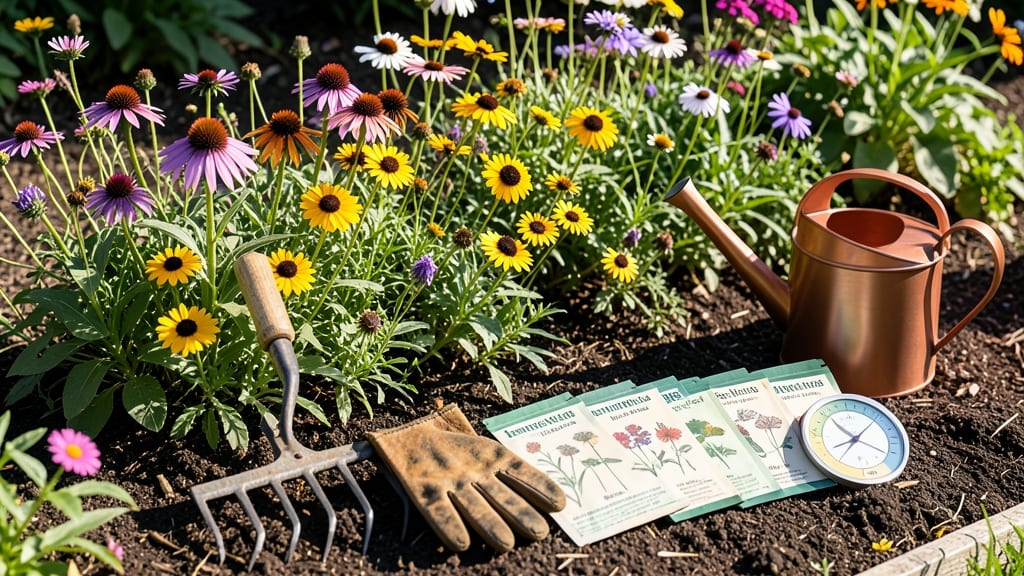
To plant wildflower seeds in Tennessee, aim for late winter to early spring or fall—when soil temps are cool but stable and frost risks are low.
Tennessee’s diverse climate—from the Appalachian highlands to the Gulf Coastal Plain—means wildflower planting timing can make or break your meadow’s success. Plant too early, and frost will wipe them out; too late, and summer heat may stifle germination.
Most gardeners in zones 6a-8a get the best results by sowing in February-April or August-October, aligning with natural rainfall patterns and avoiding extreme heat. This timing ensures strong root growth before winter dormancy or summer stress.
Below, I’ll break down the exact months for your zone, soil prep secrets, and watering schedules that keep your 🌼 wildflowers thriving from seed to bloom. No more guesswork—just vibrant meadows year after year.
Tennessee wildflower planting calendar by hardiness Zone (zones 6-8)
Tennessee’s three USDA hardiness zones (6a-8a) create distinct planting windows for wildflowers. Zone 6a (northwest mountains) has later frost dates, while Zone 8a (Memphis area) enjoys extended growing seasons. Understanding these differences ensures your wildflowers thrive from spring through fall.
Most wildflower seeds germinate best when soil temperatures reach 60-70°F.
In Tennessee, this typically occurs in late March to early April for spring planting or August to October for fall sowing. Perennial wildflowers like purple coneflower benefit from fall planting, while annuals such as cosmos can handle late spring sowings.
The comparison table below breaks down ideal planting months by zone, including frost dates and soil temperature thresholds. Use this as your guide to avoid common mistakes like planting too early (frost damage) or too late (poor germination).
For Zone 6a, focus on fall planting (August-September) to give seeds time to establish before winter. Zone 7a gardeners have flexibility for both spring (March-April) and fall (September-October) sowings. Zone 8a can extend planting into early November for cool-season varieties.
Spring planting in Tennessee should begin 4-6 weeks before your last frost date. For Zone 6a, this means mid-to-late February for early bloomers like wild violet. In Zone 8a, you can push planting into early May for summer-blooming varieties like black-eyed Susan.
Fall is often the best time to plant perennial wildflowers because cooler temperatures reduce weed competition and encourage deep root growth. Aim to finish sowing 6-8 weeks before your first frost. In Zone 7a, this translates to late September to early October.
For summer planting, focus on heat-tolerant annuals like Mexican sunflower or zinnia. Sow seeds in June-July after soil temperatures exceed 75°F. These varieties thrive in Tennessee’s hot, humid summers and provide late-season color when other plants fade.
Adjust your planting schedule based on microclimates. Valleys and low-lying areas may experience earlier frosts than mountain slopes. If you’re unsure about your exact frost dates, use a local weather app or check with your county extension office for precise guidance.
Remember, soil preparation is just as critical as timing. Loosen the top 2-3 inches of soil, remove weeds, and lightly rake to create a fine seedbed. This ensures good seed-to-soil contact and improves germination rates across all Tennessee zones.
With this zone-specific calendar, your wildflower meadow will flourish year after year, attracting pollinators and adding vibrant color to your landscape. Start planning now—your future blooms will thank you! 🌼
Best wildflowers for Tennessee seasons: when to sow for continuous blooms
Tennessee’s four distinct seasons create perfect conditions for year-round wildflower blooms if you plant the right species at the right time. The key is matching native wildflowers with their ideal planting windows—whether it’s cool-season varieties in early spring or heat-loving species in late summer.
These pollinator magnets will reward you with vibrant color from March through October when timed correctly.
Native Tennessee wildflowers like black-eyed Susans and purple coneflowers thrive in our USDA Zones 6-8 when planted during their optimal germination windows. For a continuous bloom sequence, I recommend staggering spring, summer, and fall varieties. This ensures your garden never loses its wildflower appeal—even during transitional months.
| Wildflower | Bloom Season | Best Planting Time | Drought Tolerance | Pollinator Value |
|---|---|---|---|---|
| Black-eyed Susan | Summer-Fall | Late March-April or August-September | High | Butterflies, bees |
| Purple Coneflower | Summer-Fall | March-April or September | Very High | Bees, hummingbirds |
| Butterfly Milkweed | Summer-Fall | April-May or August-September | High | Monarch butterflies |
| Violet Wood Sorrel | Spring-Early Summer | March-April | Moderate | Bees, early pollinators |
| Coreopsis | Summer-Fall | April-May or August | Very High | Bees, butterflies |
| Goldenrod | Late Summer-Fall | March-April or September | High | Bees, late-season pollinators |
For spring blooms, focus on cool-season wildflowers like violet wood sorrel and wild blue phlox. These varieties germinate best when soil temperatures reach 40-50°F, typically in late March or early April.
Planting them in fall (September-October) gives them a head start, allowing roots to establish before winter dormancy.
Summer-blooming perennials like purple coneflower and coreopsis should be sown in early spring (March-April) or late summer (August-September). These drought-tolerant species thrive in Tennessee’s hot, humid summers and attract bees and butterflies throughout the season.
For continuous color, mix these with annuals like cosmos for a non-stop bloom effect.
Fall-blooming varieties such as goldenrod and late-blooming asters should be planted in late summer (August-September) to ensure they establish before first frost. These late-season pollinators provide critical nectar sources for bees and butterflies preparing for winter.
Their bright yellow and purple blooms also add autumn color to your garden when many other plants have faded.
One of my top tips for Tennessee gardeners is to plant in layers. Start with spring wildflowers in early spring, add summer varieties in late spring or early summer, and finish with fall-blooming species in August.
This creates a continuous bloom sequence that keeps your garden visually exciting from March through November.