
Plants
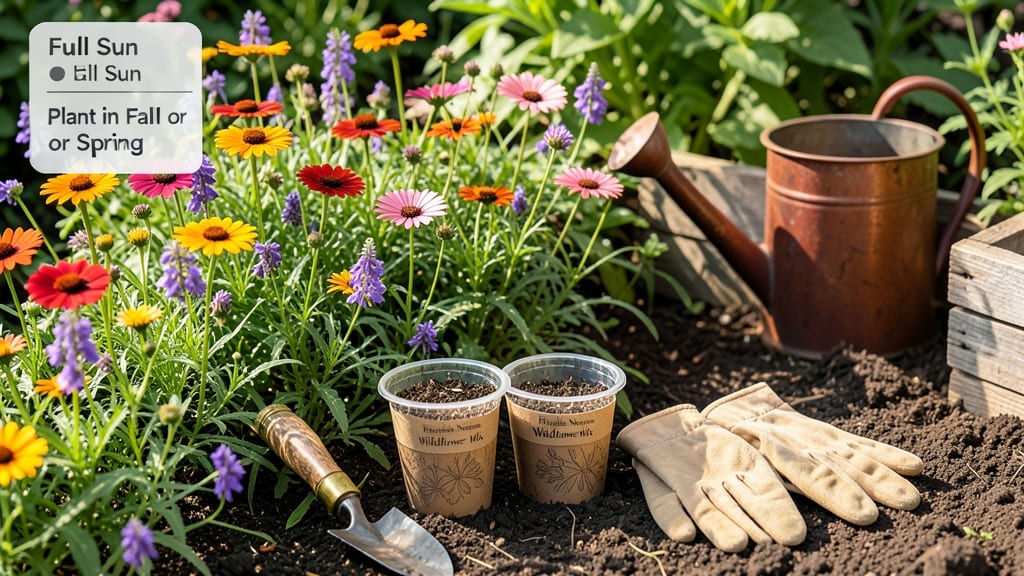
Plant wildflower seeds in Florida from fall through early spring 🌼 to beat the heat and ensure vibrant blooms all year.
Florida’s warm climate means wildflowers can grow almost anytime—but timing matters more than you’d think. Plant too late in summer, and the seeds may bake in the soil before sprouting. Too early in spring, and you risk competing with weeds for space.
This guide breaks down the best months for each Florida region, from frost-prone North Florida to frost-free South Florida, plus soil prep tips to give your wildflowers the best start.
You’ll discover how to choose the right seed types for your microclimate, avoid common mistakes, and create a pollinator-friendly meadow that thrives in Florida’s unique conditions.
Florida wildflower planting calendar: month-by-month guide for best blooms
Florida’s three distinct climate zones—North, Central, and South—mean your wildflower planting timeline should adjust based on location. North Florida (Zone 8a) has occasional light frosts, while Central and South Florida (Zones 9b-11) remain frost-free year-round.
For best results, focus on fall planting in cooler zones and spring/fall in warmer areas to avoid summer heat stress.
Native wildflowers like Black-Eyed Susans and Coreopsis thrive when sown in September-October for North Florida, while Blanket Flower and Firewheel perform well in January-February plantings across all zones. Drought-tolerant species benefit from early fall sowing to establish roots before winter rains.
🌱
| Month | North Florida (Zone 8a) | Central Florida (Zone 9a) | South Florida (Zone 10a-11) |
|---|---|---|---|
| January | ✅ Ideal for spring bloomers | ✅ Best for summer wildflowers | ✅ Year-round planting possible |
| February | ✅ Perfect for frost-sensitive species | ✅ Early spring prep | ✅ Direct sowing for quick blooms |
| March | ⚠️ Avoid if late frost risk | ✅ Peak planting for summer color | ✅ Best for tropical varieties |
| April | ⚠️ High heat stress risk | ✅ Late spring sowing | ✅ Ideal for heat-tolerant species |
| May | ❌ Avoid (extreme heat) | ❌ Avoid (peak summer stress) | ✅ Shade-tolerant varieties only |
| June | ❌ Avoid (dormant season) | ❌ Avoid (monsoon season) | ✅ Container planting only |
| July | ❌ Avoid (dormant season) | ❌ Avoid (monsoon season) | ✅ Shade-tolerant varieties only |
| August | ✅ Late summer prep | ✅ Fall bloomers | ✅ Year-round planting possible |
| September | ✅ Best for fall/winter blooms | ✅ Peak planting for fall color | ✅ Ideal for native species |
| October | ✅ Perfect for winter bloomers | ✅ Late fall planting | ✅ Year-round planting possible |
| November | ✅ Best for spring bloomers | ✅ Early winter prep | ✅ Year-round planting possible |
| December | ✅ Ideal for spring bloomers | ✅ Winter planting for spring color | ✅ Year-round planting possible |
For North Florida gardeners, focus on September-October plantings to establish roots before winter. Central Florida benefits from January-February sowings for spring blooms and September for fall color. South Florida's frost-free climate allows year-round planting, but avoid May-July due to monsoon rains and extreme heat.
🌿
Prepare your soil by removing weeds and tilling to a depth of 2-
How to choose wildflower seed types for Florida’s climate and soil
Florida’s sandy, well-draining soil and humid climate create perfect conditions for wildflowers—but not all seeds thrive equally. Native wildflowers like Black-Eyed Susans and Coreopsis adapt naturally to Florida’s heat, while drought-tolerant varieties like Blanket Flower handle sandy soil better. Choosing the right mix ensures vibrant blooms year-round without extra watering.
Direct sowing works best for Florida’s climate, as transplanting can stress seeds. Scatter seeds lightly on prepared soil and press gently—they need sunlight to germinate, so avoid burying them. For sandy soil, mix seeds with a thin layer of compost to improve water retention and nutrients.
Florida’s humidity and occasional drought demand smart seed selection. Native wildflowers like Firewheel (Gaillardia) and Partridge Pea thrive in poor soil and attract pollinators. Drought-tolerant options such as Mexican Sunflower and Bee Balm need minimal water once established.
Native Wildflowers
Drought-Tolerant Options
For direct sowing, prepare your soil by raking away debris and loosening the top inch. Mix seeds with sand to ensure even distribution, then scatter lightly over the area.
Water gently to settle seeds without displacing them. Transplanting is less common but works for young seedlings—harden them off for a week before moving to avoid shock.
Consider seed mixtures for diverse blooms and pollinator support. A blend of native wildflowers and drought-tolerant species ensures year-round color and resilience. For example, pair Coreopsis with Mexican Sunflower to balance beauty and low maintenance.
Test your soil’s pH before planting—most Florida wildflowers prefer slightly acidic to neutral soil (pH 6.0–7.0). Amend with compost or peat moss if needed, but avoid heavy fertilizers, which can harm delicate wildflower roots. Mulch