
Flowers
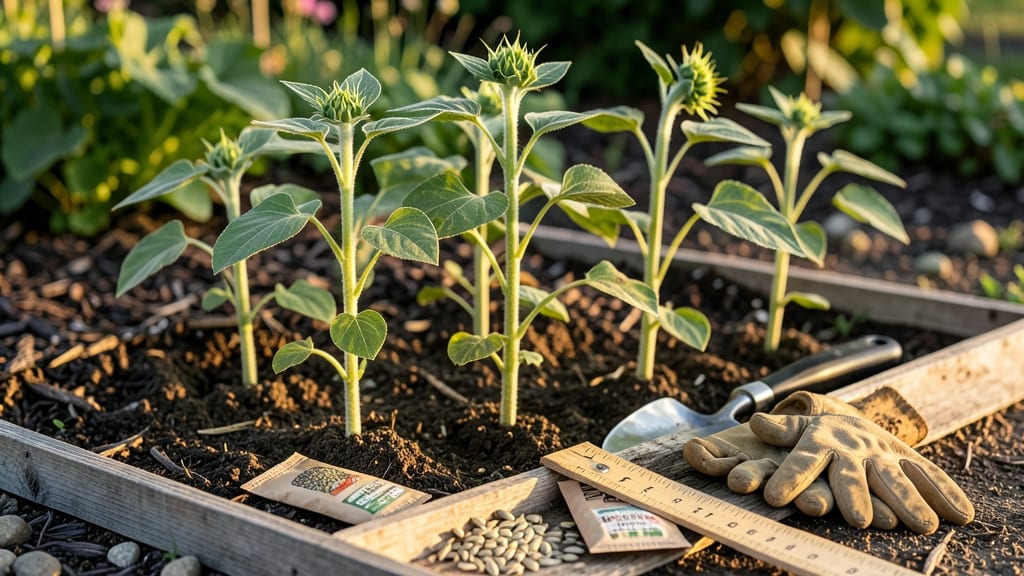
Planting sunflowers in Virginia means timing your seeds for USDA Zones 6a-8a, where a late frost can turn towering blooms into sad, wilted stalks.
Sunflowers bring vibrant color and joy to Virginia gardens—but planting them at the wrong time can leave you with wilted stems instead of towering blooms. Timing is everything, especially when Virginia’s USDA Zones range from 6a to 8a, each with its own frost-free window.
In cooler zones like 6a, you’ll want to wait until after mid-April, while Zone 8a gardeners can start as early as late February. The key is to plant when soil temperatures hit 55°F—any earlier and cold soil slows germination, leaving seeds vulnerable to rot.
Below, I break down the exact planting windows for each zone, how to adjust for Virginia’s unpredictable spring weather, and the 3 mistakes that kill sunflowers before they bloom.
Virginia sunflower planting timeline by USDA Zone (6a-8a)
Sunflowers thrive in Virginia’s warm summers, but their planting timeline varies dramatically between USDA Zones 6a and 8a. In colder northern zones, frost can still linger into May, while southern Virginia often sees earlier last frosts by March.
Getting the timing right ensures your sunflowers reach their full 10-12 foot potential before fall frosts strike.
For direct sowing, aim to plant sunflower seeds when soil temperatures consistently reach 55°F—a critical threshold for germination. In Zone 6a, this typically means waiting until late April to early May, while Zone 8a gardeners can start as early as mid-March.
Transplants, if used, should go in 2-3 weeks earlier to give them a head start.
Here’s a breakdown of Virginia’s frost-free windows and ideal planting periods by zone, including adjustments for early vs. late varieties to maximize bloom time:
In Zone 6a, where frosts can linger until May, I recommend starting with early-maturing varieties like ‘Autumn Beauty’ (60–70 days) or ‘Moulin Rouge’ (70–80 days). These varieties give you the best chance to see blooms before first fall frosts, typically arriving in October.
For Zone 8a, you can push the envelope with taller varieties like ‘Russian Giant’ (120+ days), planting as early as mid-March for a summer-to-fall display.
For gardeners in transitional zones (7a-7b), consider a two-phase planting strategy: sow early varieties in April for summer blooms, then follow up with late varieties in June for fall color.
This extends your sunflower season and ensures continuous pollinator support from bees and butterflies. Just be mindful of soil moisture—sunflowers need 1–1.5 inches of water weekly during dry spells.
One common mistake is planting sunflowers too early in cooler zones, which leads to stunted growth or even death if a late frost hits. Always check your local frost dates (the National Weather Service provides excellent regional forecasts) and wait until soil temperatures are consistently above 55°F.
You can use a soil thermometer to verify—this simple tool saves hours of guesswork.
If you’re in a warmer microclimate (like near a south-facing wall or in a low-lying area), you might safely plant 1–2 weeks earlier than the zone average. Conversely, higher elevations or northern exposures may require delaying planting by 10–14 days.
Pay attention to localized frost pockets—these can turn a promising sunflower into a sad, frost-nipped relic.
For container growing in Virginia, timing shifts slightly. Containers warm up faster than garden beds, so you can start seeds 2–3 weeks earlier than the ground planting window.
Just ensure your pots have drainage holes and use a lightweight potting mix to prevent root rot. Dwarf varieties like ‘Teddy Bear’ (3–4 feet tall) are ideal for
How to adjust sunflower planting for Virginia’s microclimates
Virginia’s diverse microclimates mean your sunflowers’ success depends on where you live. In cooler zones (6a-7a), like the Shenandoah Valley, early frosts can nip tender seedlings, while warmer zones (7b-8a), such as the Tidewater region, face scorching summer heat.
Adjusting your planting strategy ensures those cheerful blooms reach their full potential.
One of my favorite tricks for extending the season is using row covers or black plastic mulch. These tools let you plant earlier in spring or later in summer, giving sunflowers a head start or a second chance.
For example, in Zone 6a, I’ve pushed my planting window back by 2-3 weeks using black plastic to warm the soil faster.
- Use row covers to plant 2-3 weeks earlier in Zone 6a-7a. Remove covers when plants are 4-6 inches tall to avoid overheating.
- Apply black plastic mulch in warmer zones (7b-8a) to retain moisture and raise soil temps by 5-10°F, ideal for late summer plantings.
- Choose heat-tolerant varieties like 'Autumn Beauty' or 'Moulin Rouge' for Zone 7b-8a to handle 90°F+ temperatures without wilting.
- Plant dwarf varieties like 'Teddy Bear' in containers for urban gardens—they thrive in partial shade and tolerate heat better than giants.
- Monitor soil temperature with a soil thermometer. Sunflowers need 55-60°F soil to germinate—wait until then to plant, even if air temps are warm.
- Extend fall blooms by planting late-summer varieties (like 'Russian Giant') in August—use row covers at night to protect from early frosts.
In Zone 6a-7a, where frosts linger until mid-April, I always opt for early-maturing varieties like 'ProCut' or 'Mammoth'. These finish their 75-90 day growth cycle before fall frosts hit in October.
For Zone 7b-8a, I switch to heat-resistant types and plant in late May to avoid bolting from sudden heat spikes.
Another pro tip: Succession planting works wonders. In warmer zones, sow a second batch in early July for late-summer blooms. Just remember to thin seedlings to 12-18 inches apart—crowded sunflowers compete for nutrients and light, leading to stunted growth.
Don’t overlook watering strategies either. In Zone 8a’s intense summer heat, I water deeply every 2-3 days at the base of plants to prevent bolting (premature flowering). A 3-inch layer of mulch keeps roots cool and retains moisture—critical when Virginia’s summer droughts arrive.
With these adjustments, your sunflowers will thrive year-round in Virginia’s varied climate. Whether you’re battling late frosts or scorching heat, the right techniques ensure those golden faces light up your garden from June to October.