
Succulent
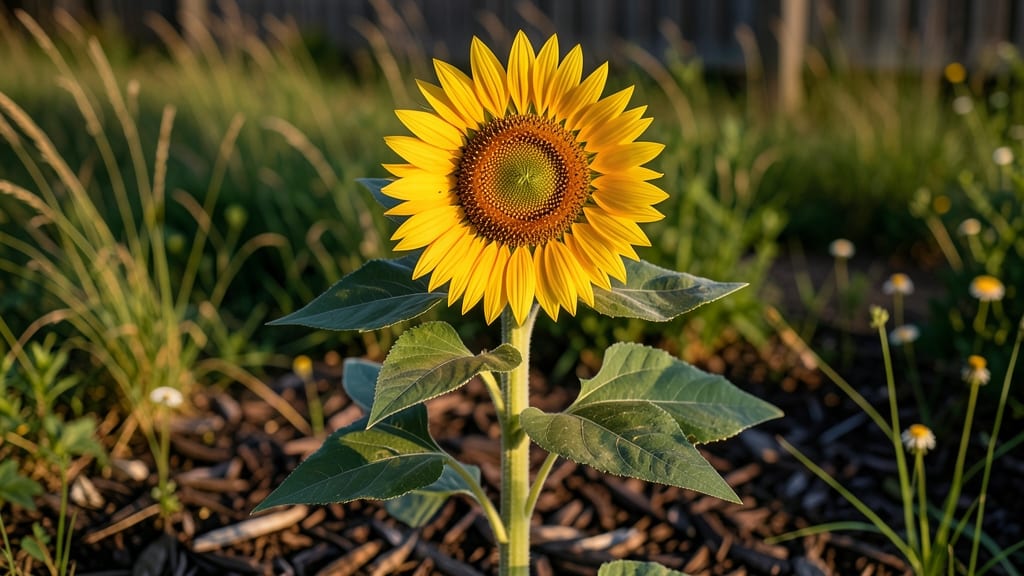
Giant pink teddy bear sunflowers 🌻 turn your garden into a whimsical masterpiece with their towering 10-foot stems and velvety petals.
Imagine sunflowers so towering and vibrant they become the centerpiece of your garden—these aren’t your average sunflowers; they’re a statement piece that turns heads and transforms outdoor spaces into living art.
Perfect for cottage gardens, pollinator-friendly spaces, or playful landscapes, these sunflowers pair beautifully with purple coneflowers and ornamental grasses, creating a stunning visual contrast.
Discover how to place them as dramatic focal points, along borders, or in containers while keeping their stems strong and blooms abundant.
How to grow pink giant teddy bear sunflowers for maximum height and blooms
If you're dreaming of sunflowers that reach for the sky like living skyscrapers, Pink Giant Teddy Bear Sunflowers are your answer. These beauties can soar to 10 feet tall with proper care, creating a dramatic focal point in any garden.
The secret to their towering height lies in the right combination of soil prep, sunlight exposure, and supportive care—let’s break it down step by step.
Unlike smaller sunflower varieties, these giants need extra attention to prevent flopping stems and maximize bloom production. From spacing your plants to staking for wind resistance, every detail matters.
I’ve grown these sunflowers in my own garden, and I’ll share the exact techniques that helped mine reach their full 10-foot potential while staying sturdy and vibrant.
Choose the Perfect Location
Select a spot with full sun exposure (6+ hours daily) and well-draining soil. Avoid low-lying areas where water pools, as soggy roots stunt growth.
Prepare the Soil
Amend your soil with compost or aged manure to enrich nutrients. Aim for a pH between 6.0 and 7.0. Loosen the soil to 12 inches deep for strong root development.
Plant Seeds at the Right Depth
Sow seeds 1 inch deep and 18-24 inches apart (they need space to grow!). Plant in early spring after the last frost date for optimal growth.
Water Deeply and Consistently
Water deeply 2-3 times per week (more in hot, dry spells). Keep soil moist but not waterlogged—the key to tall stems is steady hydration.
Fertilize for Strong Growth
Apply a balanced fertilizer (5-10-10) when seedlings are 6 inches tall, then every 4-6 weeks during the growing season. Avoid over-fertilizing—too much nitrogen causes weak stems.
Stake for Wind Resistance
Install 3-4 foot stakes at planting and tie stems loosely with soft plant ties as they grow. This prevents flopping, especially in windy conditions.
One of my biggest lessons? Don’t skimp on staking—these sunflowers can get top-heavy! I once let mine grow unsupported, and by July, they were leaning like drunken giants. A simple bamboo stake or tomato cage makes all the difference for those 10-foot stems.
For maximum blooms, deadhead spent flowers by removing the yellow centers once they fade. This redirects energy to new buds, giving you more vibrant pink blooms throughout the season. I’ve seen gardens with dozens of blooms on a single plant by doing this!
If you’re growing these in containers, use a large pot (at least 18 inches deep) with drainage holes. Container-grown sunflowers still reach 8-10 feet but need daily watering to compensate for limited root space.
Add mulch around the base to retain moisture and suppress weeds—this is a game-changer for busy gardeners.
By following these steps, your Pink Giant Teddy Bear Sunflowers will thrive, reaching their full 10-foot height with abundant blooms that steal the show. Just imagine the dramatic impact they’ll have when planted near a pathway or patio—pure garden magic!
Ready to grow sunflowers that turn heads? Grab your seeds, pick a sunny spot, and get planting—your garden’s new centerpiece is waiting to bloom! 🌻
Best companion plants and garden design tips for pink giant teddy bear sunflowers
When designing around Pink Giant Teddy Bear Sunflowers, think of them as your garden's dramatic centerpiece. Their 10-foot stems and velvety pink blooms demand attention, so pairing them with the right companions creates visual harmony while supporting their growth.
The key is balancing their bold stature with plants that complement their height, color, and pollinator appeal without competing for resources.
For maximum impact, I recommend focusing on three design principles: height contrast, color coordination, and functional support. Tall sunflowers pair beautifully with mid-height perennials that frame their base, while shorter plants add texture at their feet.
Purple and deep pink hues will make your sunflowers pop, but don't overlook the power of silver foliage or golden grasses to create striking contrasts.
🌿 Top Companion Plants for Pink Giant Teddy Bear Sunflowers
- 🌼 Purple Coneflowers (Echinacea)
- 🌿 Russian Sage (Perovskia)
- 🌾 Ornamental Grasses (Miscanthus)
- 🌸 Black-Eyed Susans (Rudbeckia)
- 🌿 Lavender (Lavandula)
- 🌱 Salvia (Salvia nemorosa)
For cut flower arrangements, I love pairing sunflowers with delicate fillers like statice or baby's breath. Their airy textures balance the sunflowers' boldness, while deep purple dahlias create stunning color contrasts. When arranging, place 2-3 sunflower stems per bouquet—their sheer size makes them overpowering in larger groupings.
In border designs, space your sunflowers 3-4 feet apart with shorter perennials in front. This creates a layered effect that draws the eye upward. For container gardening, opt for dwarf varieties of companions like lobelia or coleus to complement the sunflowers' height without overwhelming the pot.
Don't forget about functional companions like basil or marigolds, which repel pests and improve growth. Plant them at the base of your sunflowers to create a natural defense system while adding fragrance and color. This 3-tier approach—aesthetic, functional, and structural—ensures your sunflowers thrive and shine.
Pro tip: Add trellises or obelisks behind your sunflowers to create vertical interest. Climbing roses or clematis will weave through the sunflowers' stems, adding layers of romance to your design while providing support for both plants. The result? A living tapestry that changes with the seasons.