
Flowers
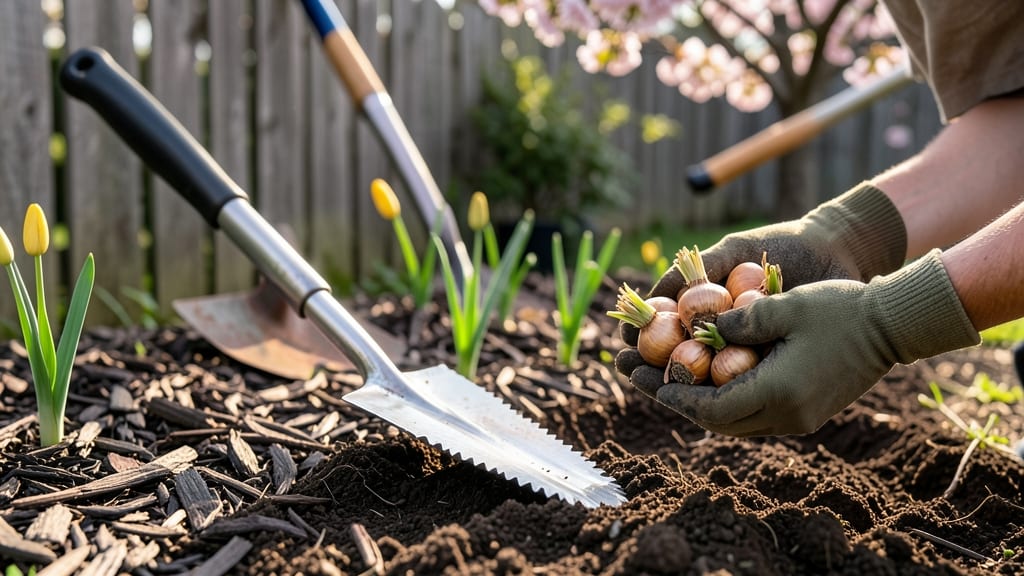
Planting flowers in spring at the right time means the difference between a garden bursting with color and one that never quite gets off the ground.
Picture this: you’ve prepped the soil, chosen your favorite 🌸 blooms, and are ready to dig in—only to have a late frost wipe out your progress.
Or worse, your flowers languish in the heat before they even bloom. The secret? Timing it perfectly based on your USDA zone and flower type.
In Zone 6a, like many gardeners, your planting window opens after the last frost—typically mid-April—but some varieties, like cool-loving pansies, can handle an earlier start, while heat-lovers like marigolds wait until May.
Get it wrong, and you’re fighting Mother Nature; get it right, and you’re rewarded with a season of vibrant blooms.
Below, I’ll break down the exact months to plant by zone, the fastest-growing flowers for early starts, and the 3 mistakes that kill even the best-laid plans. No more guessing—just a foolproof schedule for your dream garden.
Spring planting calendar by USDA hardiness Zones (exact months)
Spring flower planting success hinges on two critical factors: your USDA hardiness zone and whether your flowers thrive in cool-season or warm-season conditions. Planting too early risks frost damage, while waiting too long can delay blooms.
Let’s break down the exact months for each zone, from the coldest Zone 3 to the mildest Zone 10, so you can time your plantings perfectly.
Cool-season flowers like pansies and snapdragons can handle light frosts, while warm-season varieties such as marigolds and zinnias need soil temperatures above 50°F (10°C) to germinate. Below, you’ll find a zone-by-zone guide with last-frost dates and ideal planting windows to maximize your garden’s potential.
Pro Tip: Use your local almanac or weather service to confirm your last frost date—it can vary by 1-2 weeks even within the same zone. For example, Zone 7 might see its last frost in early April in the Southeast, but not until mid-May in the Pacific Northwest.
In Zones 3-5, where winters are harsh, focus on early spring planting (March-April) for cool-season flowers like pansies and snapdragons. These hardy varieties tolerate light frosts and even bloom in cooler temperatures.
Once your last frost date passes, shift to warm-season flowers like marigolds and zinnias, which need warmer soil to germinate.
For Zones 6-9
Best flowers to plant in early vs. late spring (with growth speed guide)
Spring blooms don't have to be a gamble—planting the right flowers at the right time ensures vibrant displays all season. Early spring offers fast-growing annuals that thrive in cooler soil, while late spring welcomes heat-loving perennials that need warmer temperatures to establish.
The difference? Cold tolerance thresholds and growth speed can make or break your garden's success.
I’ve tested dozens of varieties in my own Zone 6a garden, and these standouts deliver color within weeks while handling spring’s unpredictable weather. Whether you’re racing to beat frost with sweet peas or waiting for soil to warm for black-eyed Susans, timing matters more than you might think.
For early spring, prioritize fast bloomers like calendula and stock—they’ll reward you with bright colors in just 30 days. These thrive in cool, moist soil and even handle light frost once established. In my garden, calendula self-seeds aggressively, giving me free plants next year!
Shift to late spring for heat-tolerant perennials like black-eyed Susans and shasta daisies. These need warmer soil temps (60°F+) to prevent root rot.
I always test soil with my finger—if it’s warm to the touch, it’s ready for planting. Mulch heavily after transplanting to retain moisture during their critical first weeks.
Don’t overlook succession planting—sow cosmos every 2 weeks in late spring for continuous blooms until frost. Their drought tolerance makes them perfect for low-maintenance gardens. Pair them with bachelor’s buttons for a cheerful cottage-garden look that lasts all summer.
Remember: Soil temperature matters more than air temperature. Use a soil thermometer ($10 at garden centers) to avoid planting too early. In my Zone 6a garden, I wait until soil hits 55°F for heat-loving annuals—this prevents root rot and ensures faster growth.