
Flowers
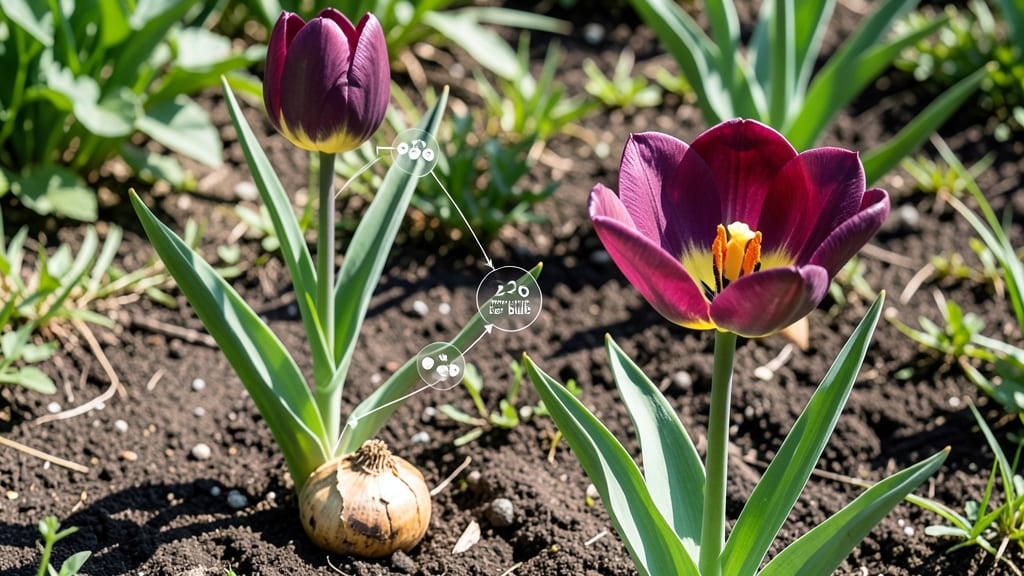
A single tulip bulb typically produces 1 to 3 flowers per stem, but the exact count depends on the variety, bulb size, and care you provide 🌷. Wondering how many tulips to plant for a stunning spring display?
The number of flowers per bulb varies dramatically by variety—and knowing the difference can mean the gap between a sparse garden and a breathtaking floral explosion.
Most gardeners expect one flower per bulb, but double-flowered varieties like Parrot Tulips or Fringed Tulips often yield fewer blooms—sometimes just one—because the plant puts extra energy into creating more petals rather than multiple stems.
Meanwhile, Darwin Hybrids or Triumph Tulips can surprise you with 2 to 3 flowers per bulb, especially when planted in well-draining soil and full sun.
Bulb size also plays a role: larger bulbs (the size of a golf ball or bigger) tend to produce more flowers than smaller ones.
And here’s the kicker—proper care, like spacing bulbs correctly and fertilizing at the right time, can boost your flower count by up to 50%** over what you’d get from neglect.
In this guide, I’ll break down exactly how many flowers to expect from each tulip type, share my top tips for maximizing blooms, and bust myths that might be holding your garden back. Ready to turn those bulbs into a showstopper?
Tulip flower counts by variety type: single vs double blooms explained
When planning your spring garden, knowing how many flowers per tulip bulb to expect is key to creating that showstopping display you dream of. The answer isn't one-size-fits-all—it depends entirely on the tulip variety you choose.
Some bulbs produce just 1-2 flowers, while others can yield 3-5 blooms per stem. Even more surprising? Double-flowered tulips often produce fewer blooms despite their dramatic appearance.
The secret lies in how energy is allocated. Single-flowered varieties focus their energy on producing more stems, while double-flowered types invest heavily in creating extra petals per bloom.
This trade-off explains why your Darwin Hybrid might produce 3-5 flowers per bulb while a Parrot Tulip with its lush petals often yields just 1-2 flowers per bulb. Understanding these differences helps you make smarter planting decisions.
Here's the breakdown you've been waiting for—exact flower counts by tulip type—so you can calculate bulbs precisely for your garden design. Whether you're aiming for a bold statement border or a delicate cottage garden, these numbers will help you avoid overplanting or ending up with sparse spots.
| Variety Type | Flowers Per Bulb | Bloom Size | Height Range | Notes |
|---|---|---|---|---|
| Darwin Hybrids | 3-5 flowers | Large (3-4 inches) | 20-28 inches | Best for bold displays; long stems |
| Parrot Tulips | 1-2 flowers | Extra-large (4+ inches) | 18-24 inches | Double blooms; fewer stems per bulb |
| Fringed Tulips | 2-3 flowers | Medium (2-3 inches) | 15-20 inches | Frilly edges; great for borders |
| Double Early Tulips | 1-2 flowers | Medium (2-3 inches) | 12-18 inches | Early bloomers; fewer but showy |
| Species Tulips | 1 flower | Small (1-2 inches) | 6-12 inches | Native varieties; naturalize easily |
| Frills & Lace Tulips | 1-2 flowers | Medium (2-3 inches) | 16-20 inches | Unique textures; fewer blooms |
If you're planning a color-blocked garden, Darwin Hybrids are your best bet—they produce the most flowers per bulb, making them perfect for filling space quickly.
For example, a single Darwin Hybrid bulb can yield up to 5 flowers, while you'd need 2-3 Parrot Tulip bulbs to match that count. This means you'll need to plant 30% more Parrot Tulip bulbs to achieve the same visual impact as Darwin Hybrids.
For container gardening
How to maximize tulip blooms: pro tips for better flower production
If you've ever wondered why your tulip garden looks sparse compared to those vibrant displays in catalogs, the answer likely lies in how you're caring for your tulip bulbs. While most gardeners assume one bulb equals one bloom, the reality is far more nuanced.
The number of flowers per tulip bulb depends on variety, bulb size, and growing conditions—all of which you can optimize for a showstopping spring display.
For example, a single Darwin Hybrid tulip bulb can produce 2-5 flowers per stem, while a double-flowered variety might yield just one dramatic bloom. The key to unlocking your tulips' full potential lies in smart soil preparation, proper spacing techniques, and post-bloom care that encourages reblooming.
Let's dive into the science-backed strategies that will transform your garden from "meh" to "wow."
- 1 Standard varieties: Most single-flowered tulips produce 1-3 blooms per bulb (e.g., 'Apeldoorn' or 'Queen of Night'). Smaller bulbs yield fewer flowers.
- 2 Premium varieties: Darwin Hybrids and Parrot Tulips can produce 2-5 blooms per bulb when given ideal conditions (full sun + rich soil).
- 3 Double-flowered types: Varieties like 'Black Hero' or 'Purple Prince' often produce just 1 bloom per bulb but with 20+ petals per flower.
- 4 Bulb size matters: A 12/14 size bulb (60-75mm) typically produces 1-2 flowers, while 14/16 size bulbs (75-90mm) can yield 2-4 flowers.
- 5 Reblooming potential: With proper post-bloom care (deadheading + fertilizer), some varieties can produce secondary blooms in late summer.
Now that you know what to expect from your tulips, let's talk about how to push those numbers higher. Start with soil preparation—tulips thrive in well-draining soil with a pH between 6.0-7.0.
Amend heavy clay with compost or sand to prevent bulb rot, which can drastically reduce next year's blooms. I recommend mixing in a 5-10-10 fertilizer at planting time to give your bulbs an energy boost for spring.
Proper spacing techniques also play a crucial role. While it might be tempting to crowd bulbs for a dense look, giving them room to breathe—4-6 inches apart—allows each bulb to develop stronger stems and more flowers.
Overcrowding leads to competition for nutrients, resulting in weaker stems and fewer blooms. For a maximum flower display, plant bulbs in clusters of 5-7 rather than single rows.
Don't forget about post-bloom care, which is often overlooked but critical for encouraging reblooming. After your tulips finish flowering, leave the foliage intact until it yellows completely—this process feeds the bulb for next year's blooms.
Once the leaves die back, remove them and apply a balanced fertilizer to replenish nutrients. This simple step can increase your flowers per tulip bulb by up to 30% in subsequent years.
For gardeners in USDA Zone 5 or warmer, consider mulching around your tulips with 2-3 inches of organic mulch after planting. This helps regulate soil temperature and moisture, creating ideal conditions for bulb development.
And if you're planting in containers, choose pots with drainage holes and use a high-quality bulb-specific potting mix to maximize flower production.