
Blooming
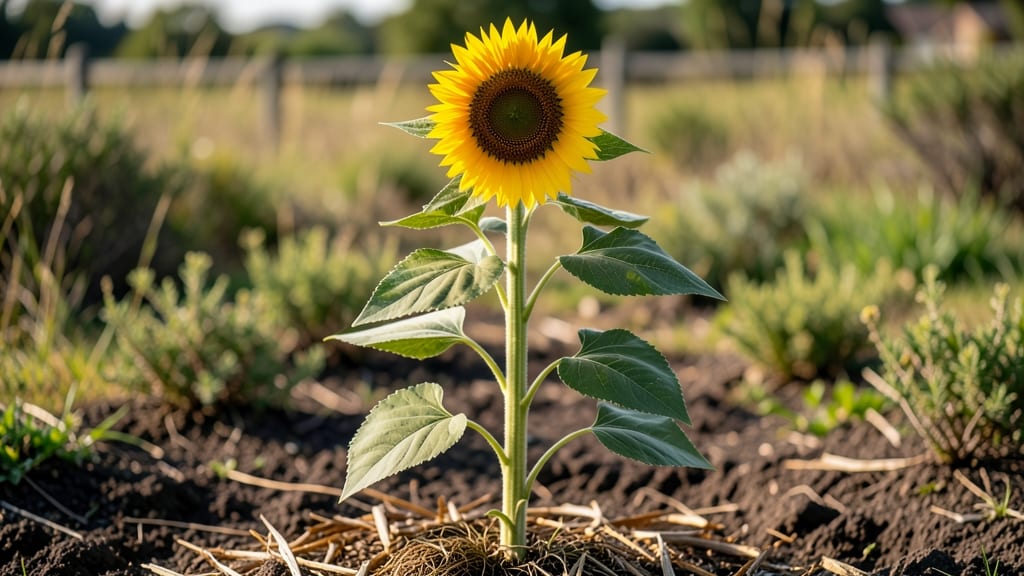
Sunflowers in Illinois bloom between late July and early October, turning your garden into a golden spectacle 🌻 that hummingbirds and bees can’t resist.
Picture this: you’ve just planted your seeds in April or May, watching them shoot up toward the sky—only to wonder if they’ll ever open.
The truth is, timing matters, and Illinois’ USDA Zones 5-6 mean your sunflowers could burst into color as early as mid-July or as late as October, depending on the variety and weather.
But here’s the game-changer: some sunflowers, like the Autumn Beauty variety, hold their color longer, while others, like Mammoth, bloom earlier but fade faster. Knowing these differences lets you plan for a longer display—or even a second planting for a staggered show.
In this guide, I’ll break down the exact months sunflowers bloom in Illinois by variety, how to adjust planting for your region, and pro tips to extend their season. Ready to turn your yard into a sunflower haven?
Sunflower bloom times in Illinois by variety: month-by-month guide
Timing your sunflower plantings in Illinois means the difference between a July-to-October display and a missed summer spectacle. The state’s USDA Zones 5-6 create ideal conditions for sunflowers, but variety choice and planting dates determine when those bright yellow blooms appear.
Early varieties can start flowering by late July, while late-season types may not peak until mid-October.
Illinois’ climate—with hot summers and variable autumns—means staggered planting is key. Most gardeners aim for April-May sowings after the last frost, but some varieties benefit from June replanting to extend the season.
Let’s break down the bloom windows for Illinois’ most popular sunflower varieties, so you can plan your garden for maximum impact.
| Variety | First Bloom (Avg.) | Peak Bloom | Height (ft) | Best For |
|---|---|---|---|---|
| Teddy Bear | Late July | August-September | 3-5 | Early season, pollinators |
| Mammoth Russian | Early August | August-October | 10-14 | Late season, cut flowers |
| Autumn Beauty | Mid-August | September-October | 5-7 | Colorful petals, long season |
| ProCut | Late July | August-September | 4-6 | Cut flowers, bouquets |
| Moulin Rouge | Early September | September-October | 6-8 | Late season, burgundy blooms |
For northern Illinois (Zones 5), expect blooms to arrive 1-2 weeks later than southern regions due to cooler temperatures. The Teddy Bear variety is my go-to for early color, often blooming by late July if planted in mid-April.
This dwarf variety (3-5 feet) thrives in containers and borders, making it perfect for small spaces.
If you’re aiming for a longer bloom season, try planting Mammoth Russian in both April and June. The June planting will often bloom just as the first batch finishes, creating a continuous display from August through October.
These giants (10-14 feet) need sturdy supports but reward you with showstopping height.
The Autumn Beauty variety is a favorite for its multi-colored petals and ability to bloom well into October. It’s particularly reliable in central Illinois, where autumn temperatures linger longer.
For a unique twist, try Moulin Rouge, which produces deep burgundy blooms that contrast beautifully with traditional yellows.
Don’t overlook ProCut if you’re growing sunflowers for cut arrangements. This variety blooms early and produces long-lasting stems, perfect for July weddings or fall bouquets. Plant it in well-drained soil with full sun for the best results.
To maximize your sunflower season, consider succession planting. Start with early varieties in April, then add mid-season types in May, and finish with late bloomers in June. This strategy ensures you’ll have sunflowers in bloom from July through October, even if Illinois’ weather throws a curveball.
Watch for first frost warnings in October, as they signal the end of your sunflower season. Most varieties won’t survive below 25°F, so plan to harvest seeds or cut blooms before hard frosts hit.
Save seeds from your best performers to plant next year and extend your garden’s genetic diversity.
Pro tip: Deadhead spent blooms to encourage more flowers on the same stem. This works especially well with Autumn Beauty and Teddy Bear varieties, giving you weeks of additional blooms before winter sets in. Just be sure to leave some seed heads for birds and pollinators!
🌻
How to extend sunflower blooming season in Illinois gardens
Illinois’ unpredictable weather can make sunflower blooming a short-lived spectacle—but with the right strategies, you can stretch those golden faces from July through October. The key lies in succession planting, heat-tolerant varieties, and smart watering.
I’ve learned that even a 2-week delay in planting can shift blooms from August to September, giving you a longer show for pollinators and your enjoyment.
First, understand that sunflowers mature quickly—typically 75-120 days to bloom—so timing is everything. Illinois’ USDA Zones 5-6 mean early plantings can face late spring frosts, while late plantings might struggle with fall’s early chill.
By staggering plantings and choosing the right varieties, you can create a continuous bloom that keeps your garden vibrant all season.
- 1 Stagger Plantings: Plant 3 batches every 2 weeks from mid-April to June. First batch blooms in July, second in August, third in September-October.
- 2 Choose Late Varieties: Opt for Autumn Beauty or Moulin Rouge—both bloom 10-14 days later than standard types. These thrive in cooler fall temps and resist early frost.
- 3 Deep Water Weekly: Sunflowers need 1-2 inches of water per week. Water deeply at soil level (not leaves) to prevent powdery mildew, a common issue in humid Illinois summers.
- 4 Fertilize Strategically: Use a balanced 5-10-10 fertilizer when plants are 12 inches tall and again when buds form. Avoid high-nitrogen fertilizers—they promote leafy growth over blooms.
- 5 Mulch to Retain Heat: Apply 2-3 inches of mulch around plants to insulate roots and keep soil 5-10°F warmer during cool nights. Use straw or shredded leaves for best results.
Don’t overlook soil preparation—sunflowers thrive in well-draining, slightly acidic soil (pH 6.0-7.0). Before planting, mix in compost or aged manure to boost nutrients. I’ve found that raised beds work wonders in clay-heavy Illinois soil, as they improve drainage and warm up faster in spring.
For extended blooms, deadhead spent flowers by snapping off seed heads once they fade. This encourages secondary blooms on some varieties, like Teddy Bear sunflowers, which can produce 2-3 flowers per stem.
Just be sure to leave a few seed heads for birds and pollinators—they’ll thank you by keeping your garden buzzing all season.
Finally, monitor weather forecasts and adjust your plan. If a heatwave is predicted, provide light shade cloth to protect young plants. Conversely, if cool nights are forecasted in late summer, cover plants with frost blankets to delay frost damage and extend blooming.
With these tips, your sunflowers will dominate your garden from July to October—a sight that’ll make your neighbors green with envy! 🌻