
Flowers
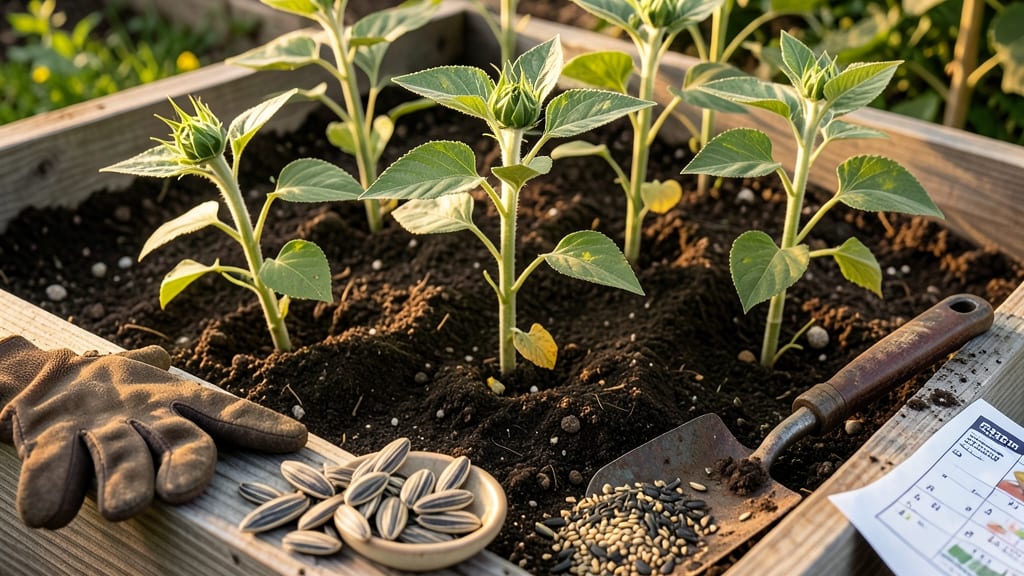
Planting sunflowers in Texas for doves means timing your seeds to align with dove migration and your local frost dates — ideally between February and April, depending on your USDA zone.
Picture this: you’ve just sown your sunflower seeds 🌻, only to wake up to a surprise frost the next morning. That’s why knowing your zone’s last frost date is the key to success.
In North Texas (8a), wait until mid-March, while Central and South Texas gardeners can start as early as February.
Doves time their arrival to match sunflower blooms, so planting too late could mean missing their stopover. The goal? A continuous buffet of seeds from June through October, when doves are most active in Texas.
Below, I’ll break down the exact planting windows by zone, the best sunflower varieties for doves, and how to prep your soil for Texas’s unique climate. Ready to turn your garden into a dove magnet?
Best planting months for Texas sunflowers to attract doves by USDA zone
Timing your sunflower planting in Texas isn't just about blooms—it's about creating a dove magnet that aligns with their migration patterns. Doves arrive in Texas as early as February in southern zones and by March in northern areas, so your planting schedule must match their timing.
The key is planting sunflowers when soil temperatures reach 55°F—this ensures fast germination and mature seeds by the time doves need them most.
Texas spans USDA zones 7a-9b, each with unique frost risks and growing seasons. In Zone 7a (north Texas), you have a shorter window between last frost (March 15) and first frost (November 15).
Meanwhile, Zone 9b (south Texas) enjoys a 365-day growing season with minimal frost risk. Your planting window shifts dramatically across these zones, which is why zone-specific timing is critical for dove success.
Here’s your zone-by-zone planting guide for sunflowers that doves will love, including ideal months, frost considerations, and maturity timing to ensure seeds are ready when doves arrive:
In Zone 7a, where frost lingers until mid-March, focus on March-April planting to ensure sunflowers mature by June when doves are most active. The shorter growing season means you’ll need fast-maturing varieties (50-60 days) like 'Autumn Beauty' or 'Teddy Bear' to provide seeds before summer heat sets in.
For Zone 8a-8b, where doves arrive as early as February, you can start planting in late January for a continuous seed supply through July.
Southern zones (9a-9b) offer the most flexibility. In Zone 9a, you can plant as early as December for winter seed production, while Zone 9b allows year-round planting with peak success in February-April.
For these zones, consider successive plantings every 4-6 weeks to keep seeds available for doves throughout the year. This strategy mimics natural seed cycles and ensures doves always have a food source.
One common mistake is planting sunflowers too late. If you wait until May in northern zones, your seeds won’t mature until August-September, just as doves begin their fall migration. Instead, aim to have at least one mature sunflower head available by late June in all zones. This timing ensures
How to choose sunflower varieties that doves love (and when to plant them)
Doves adore sunflowers for their nutrient-rich seeds and shelter, but not all varieties attract them equally. Single-bloom, open-pollinated types like Mammoth Russian or Autumn Beauty are dove favorites because they produce abundant, accessible seeds.
These varieties also mature faster—ideal for Texas’s short growing seasons in cooler zones like USDA 8a.
For South Texas (zones 9a-10b), consider dwarf varieties like Teddy Bear or Sunspot. Their compact height (1-3 ft) makes seeds easier for doves to reach, while their prolonged bloom time extends the food supply.
Plant these in February to align with dove migration patterns and avoid summer heat stress.
🌻
Sunflower Varieties for Doves: Texas Planting Guide
Best for: North/Central Texas (USDA 7a-9a)
Best for: South Texas (USDA 9b-10b)
| Variety | Height | Planting Window | Dove Appeal | Pros | Cons |
|---|---|---|---|---|---|
| Mammoth Russian | 10-14 ft | March-April | ⭐⭐⭐⭐⭐ | High seed yield, fast growth | Needs staking, tall for doves |
| Teddy Bear | 1-3 ft | February-March | ⭐⭐⭐⭐ | Compact, easy access, long bloom | Lower seed yield |
| Autumn Beauty | 4-6 ft | March-April | ⭐⭐⭐⭐ | Multi-colored blooms, drought-tolerant | Moderate height |
| Sunspot | 2-3 ft | February-March | ⭐⭐⭐⭐⭐ | Disease-resistant, early bloomer | Smaller seed heads |
💡 Tip: For maximum dove appeal, mix tall and dwarf varieties in your garden. Tall types provide shelter, while dwarf types offer easy seed access.
When selecting seeds, prioritize open-pollinated varieties over hybrids—their seeds are non-GMO and more nutritious for doves. Avoid double-bloom types like ProCut, as their compact seed heads are harder for birds to access. Instead, opt for single-bloom varieties with large, open centers like Russian Giant.
For North Texas (USDA 7a-8a), plant tall varieties in late March to ensure seeds mature before the first frost (November 15). In Central Texas (USDA 8b-9a), you can extend planting to early April for a second harvest. Always choose disease-resistant seeds to combat Texas’s humid summers.
To maximize dove visits, plant sunflowers near water sources or sheltered areas like shrubs. Doves prefer undisturbed feeding spots, so avoid planting near high-traffic areas. If your garden has clay soil, amend it with compost to improve drainage—doves won’t visit if seeds rot in soggy soil.
🌱