
Flowers
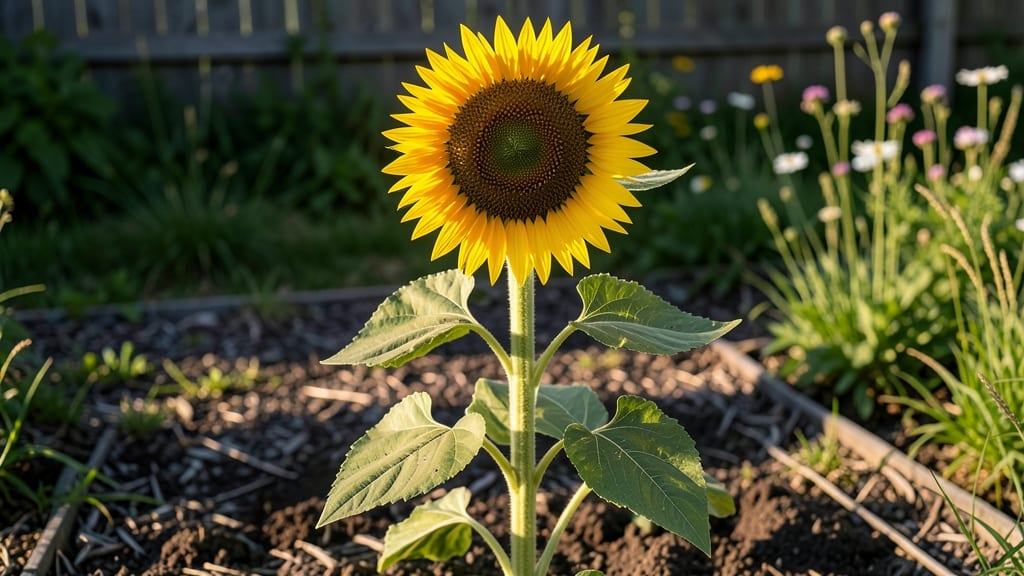
Mammoth Russian sunflowers grow between 10 and 14 feet tall, making them the towering stars of any garden 🌻 — but their exact height depends on the variety and growing conditions.
If you're dreaming of towering sunflowers that turn heads in your garden, the Mammoth Russian variety might be your perfect match—but did you know their heights can vary dramatically depending on the specific cultivar?
These sunflowers thrive in USDA Zone 6a and beyond, with the right spacing and support, they can reach heights that rival a two-story house. Whether you're planting in spring or aiming for cut flowers, understanding their growth habits is key.
Below, I’ll break down the exact height ranges by variety, how to maximize their growth, and the best ways to support them as they reach for the sky.


Mammoth Russian sunflower height ranges by variety (exact measurements)
If you're planning a dramatic sunflower display, the Mammoth Russian varieties are legendary for their stunning heights. But not all cultivars reach the same skyward heights—some can tower over your fence while others stay slightly more manageable.
Understanding these height differences helps you choose the perfect variety for your space and vision. Let's break down the exact measurements for the most popular types.
The Mammoth Russian family includes several standout varieties, each with distinct growth patterns. From the tallest giants to slightly shorter but still impressive types, these sunflowers can reach heights that rival two-story buildings.
With proper care, some varieties even surpass 14 feet, making them a showstopper in any garden. Let’s explore the specifics.
| Variety | Mature Height Range | Days to Maturity | Best For |
|---|---|---|---|
| Mammoth Russian Tall | 12–14 feet | 85–95 days | Cut flowers, pollinators |
| Mammoth Russian Giant | 14–16 feet | 90–100 days | Dramatic displays, events |
| Mammoth Russian Black Oil | 10–12 feet | 80–90 days | Bird feed, cut flowers |
| Mammoth Russian Early | 10–12 feet | 75–85 days | Short season gardens |
| Mammoth Russian Red | 12–14 feet | 85–95 days | Color contrast, cut arrangements |
All heights are approximate and can vary based on growing conditions.
The Mammoth Russian Giant variety is the undisputed champion of the group, often reaching 14–16 feet under ideal conditions. This makes it a perfect choice for creating a wow factor in your garden or for events like weddings and festivals.
However, its towering stature requires extra space and support to prevent toppling in windy conditions.
If you're working with limited space but still want a dramatic sunflower, the Mammoth Russian Early variety is a great compromise. It typically grows to 10–12 feet and matures faster, making it ideal for shorter growing seasons or smaller gardens.
Its quicker maturity also means you can enjoy longer bloom times in a single season.
For those who prioritize pollinators and birds, the Mammoth Russian Black Oil variety is an excellent pick. While slightly shorter at 10–12 feet, its seeds are a nutrient-rich food source for wildlife.
Plus, its dark, oil-rich seeds are prized by birds, making it a functional and beautiful addition to any garden.
Timing is everything when it comes to achieving these maximum heights. Most Mammoth Russian varieties take 80–100 days to reach maturity, so planting them at the right time is crucial.
In USDA zones 6–9, aim to plant seeds in late April to early May, ensuring they have enough warmth and sunlight to grow tall and strong before the first frost.
One common misconception is that all Mammoth Russian sunflowers will reach their full height potential. In reality, factors like soil quality, sunlight exposure, and watering consistency play a huge role.
For example, a Mammoth Russian Giant planted in poor soil might only reach 10–12 feet instead of its full 14–16 feet. To maximize growth, focus on well-draining soil, full sun exposure, and deep, regular watering.
If you're growing these sunflowers for cut flowers, timing your harvest is key. The Mammoth Russian Tall and Red varieties are popular choices for bouquets due to their long stems and vibrant colors.
Harvest them when the flower heads are fully open but before the petals start wilting. This ensures they last longer in vases and arrangements.
Whether you're aiming for a garden centerpiece or a pollinator-friendly haven, choosing the right Mammoth Russian variety can make all the difference.
With heights ranging from 10 to 16 feet, there’s a perfect match for every garden—just be sure to give them the space and care they deserve to reach their full potential. 🌻
Factors that influence Mammoth Russian sunflower height (and how to maximize growth)
If you've planted Mammoth Russian sunflowers and noticed their heights vary more than expected, you're not alone. These giants can reach 12-16 feet under ideal conditions, but several key factors determine whether they'll hit their full potential—or stay disappointingly short.
Let's break down what truly makes the difference between a 10-foot sunflower and one that towers over your fence.
The most critical factor is sunlight exposure. These sunflowers need 6+ hours of direct sunlight daily—any less, and their growth will stall. I've seen plants in partial shade reach only 6-8 feet, while those in full sun hit 14+ feet.
Even morning sun with afternoon shade can cut growth by 30%, so prioritize the sunniest spot in your garden.
Amend your soil with compost and a balanced fertilizer (10-10-10) before planting. I've found that plants in poor soil grow 2-3 feet shorter than those with proper nutrients. Test your soil's pH—aim for 6.0-7.0.
Deep watering 2-3 times per week (1-2 gallons per plant) is key. Surface watering leads to shallow roots and stunted growth. I water mine in the morning to prevent fungal issues and maximize absorption.
Crowded plants compete for nutrients and stay 3-4 feet shorter. Space them 18-24 inches apart in rows 3 feet apart. I once planted mine too close, and they barely reached 8 feet—a huge disappointment!
Tall varieties need staking or cages to prevent bending. Without support, stems can bow under their own weight, reducing height by 20-30%. I use wooden stakes with soft ties for the best results.
Plants in USDA zones 4-9 thrive, but those in cooler zones (4-5) may grow 1-2 feet shorter due to shorter growing seasons. I've seen dramatic differences between my zone 7 plants (14+ feet) and a friend's zone 5 plants (10 feet).
Don't overlook wind protection—strong winds can cause stems to lean or snap, reducing height and flower quality. I've had success using windbreaks or trellises in exposed areas. Even small improvements in these areas can push your sunflowers from 10 feet to their full 14-16 foot potential.
For maximum height, combine all these factors: full sun, nutrient-rich soil, consistent watering, proper spacing, and support systems. When done right, your Mammoth Russian sunflowers will become the showstopper of your garden—and your neighbors' envy! 🌻