
Shrubs
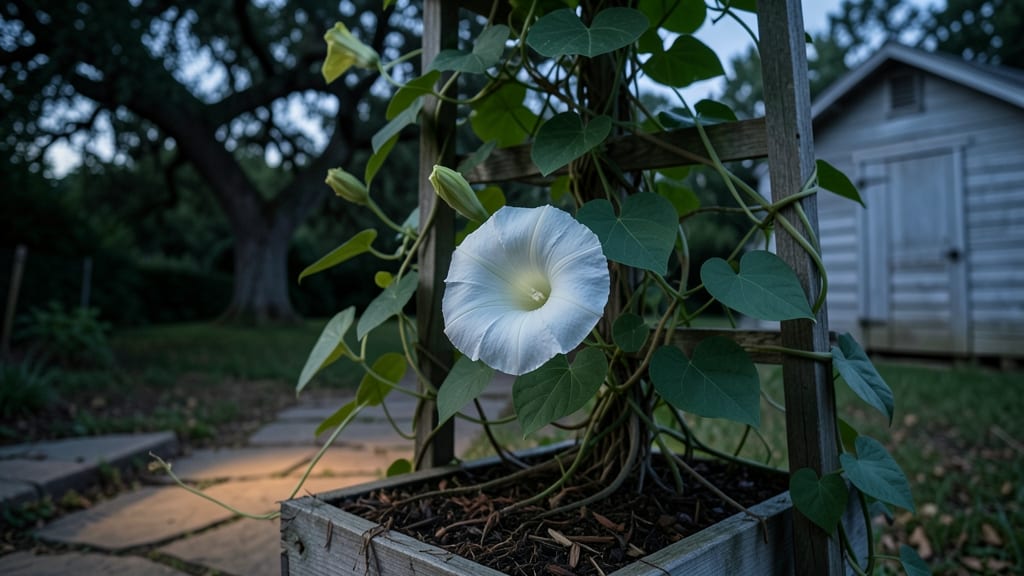
Moonflowers thrive best in partial shade with morning sun and afternoon shade 🌙 — the key to those dramatic nighttime blooms.
Picture this: you’ve spent weeks nurturing your moonflower vines, only to watch them produce sparse, weak flowers—or worse, no blooms at all. The culprit? Too much harsh afternoon sun or not enough light to fuel their growth.
Moonflowers are picky, but once you crack the light code, you’ll unlock lush, fragrant blooms that open only under moonlight.
In warmer climates like USDA Zone 6a, afternoon shade is non-negotiable—direct sun can scorch leaves and stunt growth. Meanwhile, cooler regions might handle a few hours of morning sun without issue.
The trick is balancing exposure to avoid stress while giving them enough energy for those magical nighttime displays.
Below, I’ll walk you through how to adjust light based on your location, spot signs of over- or under-exposure, and even DIY shade solutions to keep your moonflowers thriving. Ready to turn your garden into a moonlit paradise?
 Best Window Placement
Moonflower sunlight needs: how much light for Optimal blooms?
Moonflowers (Ipomoea alba) thrive best in partial shade, but their light needs can feel confusing. Unlike sun-loving plants, moonflowers prefer morning sun and afternoon shade—this balance prevents leaf scorch while fueling their dramatic nighttime blooms.
In hot climates, they may need even more shade to survive, while cooler regions can handle slightly more sunlight. The key is 4-6 hours of gentle morning light paired with afternoon respite.
Too much direct sun—especially harsh afternoon rays—can cause yellowing leaves or crispy edges, while insufficient light leads to weak stems and sparse blooms. Think of moonflowers as sun-worshippers with a sunburn phobia.
Their ideal spot mimics dappled forest light: bright but filtered. If your garden lacks natural shade, DIY solutions like sheer curtains or lattice trellises can help mimic these conditions.
| Light Condition | Sunlight Hours | Best For | Climate Notes |
|---|---|---|---|
| Partial Shade | 4-6 hours (morning only) | Optimal blooms, healthy growth | Ideal for USDA Zones 6-9 |
| Dappled Sun | 2-4 hours (filtered light) | Hot climates, containers | Zones 10+ or urban heat islands |
| Full Sun | 6+ hours (with afternoon shade) | Cool coastal areas | Risk of leaf scorch; avoid 12-4 PM sun |
| Deep Shade | <2 hours | Leggy growth, few blooms | Avoid north-facing walls or dense canopies |
Seasonal adjustments are critical—summer heat demands more shade, while spring and fall can accommodate slightly more sunlight.
In Zone 6, I’ve grown moonflowers successfully with morning sun and afternoon shade from a nearby tree, but in Zone 10, I provide 50% shade cloth during peak afternoon hours to prevent stress.
Always monitor your plants: wilting or drooping signals too much sun, while pale, sparse leaves mean they need more light.
For container gardening, moonflowers need east-facing windows or rotating pots to follow the sun’s arc. If your balcony only gets afternoon sun, use a sheer white shade cloth to diffuse intensity.
Pro tip: Train vines along a trellis to elevate them slightly—this creates natural airflow and reduces heat stress on leaves. The goal is bright but indirect light, mimicking their native understory habitats.
Signs of too much sun include brown leaf edges, crispy textures, or premature wilting, while too little light causes long, weak stems, small leaves, and few to no blooms.
If your moonflower looks leggy and sparse, it’s crying out for more light—try moving it to a sunnier spot with afternoon shade. Conversely, if leaves turn yellow and papery, it’s getting scorched; provide immediate shade relief with a temporary shade screen.
In humid climates, moonflowers appreciate afternoon shade to prevent fungal issues, while dry climates benefit from morning sun to dry dew quickly. Always water deeply in the evening to help roots absorb moisture before the heat of the day.
Pair your moonflowers with tall sun-loving companions like sunflowers or hollyhocks to create natural shade as they grow. This companion planting trick works beautifully in cottage gardens.
One common misconception is that moonflowers only bloom at night, so sunlight doesn’t matter—but light exposure directly impacts their ability to flower. Without enough morning light, vines grow weak and produce fewer blooms.
Think of sunlight as their energy drink: 4-6 hours of gentle morning rays sets them up for dramatic nighttime performances. If your moonflowers aren’t blooming, check their light first—it’s often the culprit.
For urban gardeners, moonflowers thrive on balconies with east-facing exposure or patios near trees. If your space lacks natural shade, DIY solutions like whitewashed trellises or lightweight shade sails work wonders. I’ve even used old window screens draped loosely over vines to filter harsh light.
The key is flexibility: moonflowers adapt well to gradual light changes, so if you’re transitioning them from shade to sun, do it slowly over 2-3 weeks to avoid shock.
Remember, moonflowers are not high-maintenance—they just need the right light recipe. With 4-6 hours of morning sun and afternoon shade, you’ll be rewarded with stunning nighttime blooms that smell like vanilla and jasmine.
Once you master their light needs, these vines will thrive, climb, and enchant your garden like magic. 🌙
Shade strategies for moonflowers: when and how to protect from harsh sun
Moonflowers (Ipomoea alba) may love moonlight, but they’re far more delicate with direct afternoon sunlight. Too much heat can scorch their tender leaves and stunt those dreamy night-blooming flowers.
The key is creating a gentle shade gradient—think dappled sunlight through tree canopies or filtered shade from lattice screens. This mimics their natural habitat in tropical forests, where they thrive under partial shade.
In hot climates like USDA Zones 8-10, moonflowers need afternoon shade to survive. Even in cooler zones, intense midday sun can cause leaf burn. Start by observing your garden’s sun patterns—note where the harshest rays hit between 11 AM and 3 PM.
This will guide your shade placement strategy.
⚠️ WARNING: Moonflower Sunburn Risk Too much direct sun causes yellowing leaves, crispy edges, and weak stems—signs your moonflower is stressed beyond recovery. Unlike sun-loving vines, moonflowers wilting in heat is a red flag.
If you see these symptoms, act fast: move your plant to 50% shade immediately and monitor for 3 days. Prolonged exposure can kill the vine before it blooms. Prevention is easier than cure—shade cloths or companion planting saves time and heartache!
For DIY shade solutions, start with shade cloths rated for 30-50% light reduction. Stretch lightweight fabric over a hoop trellis or attach it to stakes near your moonflower.
Reposition the cloth as the sun shifts throughout the day—morning sun is gentler, so you can remove it by 10 AM and reapply by 2 PM.
Another trick: use companion planting to create natural shade. Tall, leafy plants like sunflowers or corn can act as living sunshades, while ground covers like sweet potato vine reflect light upward. Just ensure your companions don’t compete for nutrients—space them at least 18 inches apart from your moonflower.
Transitioning moonflowers to more sun? Do it gradually over 2 weeks. Start by exposing them to 1 extra hour of morning sun daily, then slowly increase to 4-6 hours of filtered light.
Sudden changes shock the plant, leading to leaf drop or stunted growth. Think of it like sunbathing—your moonflower needs to acclimate!
Pro tip: Train your moonflower to climb a trellis or arbor. Elevating the vine lifts it above hot ground-level air and lets you angle the trellis to block harsh afternoon rays.
Plus, the vertical growth encourages more flower production—because who doesn’t love extra magic in their garden? 🌙