
Flowers
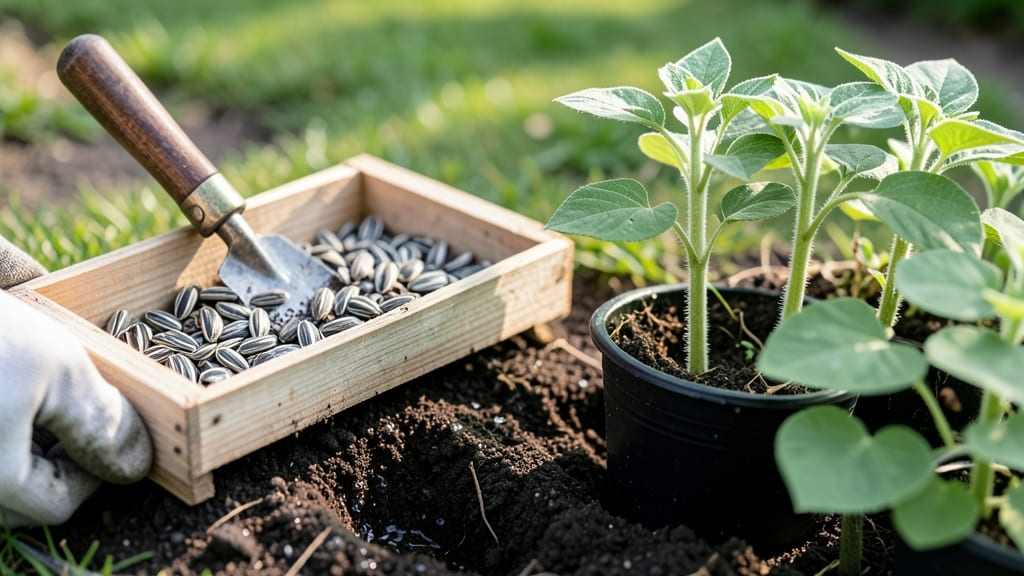
Plant sunflowers in Texas between January and May, depending on your USDA zone, to ensure fast, towering blooms before summer heat sets in.
Picture this: you’ve sown seeds in March, and by June, your garden is a golden 🌻 sea—tall, vibrant, and thriving. But plant too early in North Texas, and a late frost can stunt your seedlings. Too late, and the heat arrives before the flowers even open.
Texas’s diverse climate means the perfect timing varies by region. North Texas gardeners should wait until March 15 or later, while South Texas can start as early as January. Central Texas falls somewhere in between, with ideal windows spanning February to April.
Below, I’ll break down the exact months for your zone, plus pro tips to maximize height, drought resistance, and fast growth—so you’re not left with wilted stems by summer.
Texas sunflower planting calendar by USDA Zone (exact months for fast growth)
Texas’s diverse climate—from USDA Zone 7 in the Panhandle to Zone 10 in the Rio Grande Valley—means sunflower planting windows vary dramatically. In Zone 7, cool springs demand early starts, while Zone 10 gardeners can plant year-round with minimal frost risk.
The key? Matching soil temperatures (60°F+) to your zone’s last frost date for rapid germination.
For maximum height and drought resistance, aim to plant when daytime highs consistently reach 70°F+. In North Texas (Zones 7-8), this typically aligns with mid-March, while South Texas (Zones 9-10) can start as early as late January.
Miss these windows, and you risk bolting (premature flowering) or stunted growth from heat stress.
Here’s the zone-by-zone breakdown of ideal planting months, including soil temperature thresholds and late-summer replanting strategies for continuous blooms:
| USDA Zone | Last Frost Date | Ideal Planting Window | Soil Temp Threshold | Late-Summer Replant | Key Deadline |
|---|---|---|---|---|---|
| 7 (North Texas) | Mid-March | March 15–April 30 | 60°F+ | August 1–15 | May 15 (heat stress risk) |
| 8 (Central Texas) | Mid-February | February 20–April 15 | 60°F+ | July 15–August 10 | May 1 (bolting risk) |
| 9 (South-Central) | Early February | January 20–March 31 | 55°F+ | July 1–September 1 | June 1 (extreme heat) |
| 10 (South Texas) | None (tropical) | January 1–April 15 | 50°F+ | August 15–September 30 | July 1 (hurricane season) |
*Replant dwarf varieties (e.g., 'Teddy Bear') for fall color in Zones 7–9.
In Zone 7, where frost lingers until mid-March, start seeds indoors 6–8 weeks before your last frost date to avoid transplant shock. Use heat mats if soil temps hover around 55°F—sunflowers won’t germinate below 60°F.
For Zones 8–10, direct sow after soil warms to 60°F+, typically by late February.
Pro tip: Late-summer replanting (August–September) works in Zones 9–10 for fall blooms. Choose short-day varieties like ‘Moulin Rouge’ to prevent bolting. In Zones 7–8, limit replanting to early August—any later, and 100°F+ days will stunt growth.
Watch for soil moisture during germination. Texas’s caliche clay can bake hard—amend with compost and mulch to retain moisture. Drip irrigation at the base (not overhead) prevents fungal diseases like powdery mildew, a common issue in humid Zone 9–10 summers.
For continuous blooms, stagger plantings every 2–3 weeks from March to August. This ensures nonstop color from June through October, even in Zone 7. Just avoid planting after July 1 in North Texas—daylength triggers bolting, and you’ll get skinny stems and tiny flowers.
Sunflowers are drought-tolerant once established, but young seedlings need consistent moisture. In Zone 10, where rain is sporadic, deep-water weekly until plants reach 12 inches tall. After that, every 10–14 days suffices—just water at dawn to avoid evaporation.
Finally, save seeds from your healthiest blooms for next year! Let heads dry on the stalk, then shake seeds into a paper bag for storage. Texas’s long growing season means you can plant, harvest, and replant sunflowers three times in one year—if you time it right.
5 Critical factors that determine your sunflower planting success in Texas
Texas’s scorching summers and unpredictable rains make sunflower success hinge on five critical factors—not just timing. While most gardeners focus on planting dates, the real game-changers are heat tolerance, drought resistance, seed depth, spacing, and soil prep.
Skipping any of these can turn your towering dreams into wilted disappointment, especially when temperatures hit 100°F+. Let’s break down how to outsmart Texas’s extremes and grow sunflowers that reach their full potential.
First, sunflowers are heat-loving plants, but they still need a strong start. In North Texas (Zone 7-8), where nights can dip into the 40s°F, young seedlings struggle without protection.
Meanwhile, in South Texas (Zone 9-10), the real challenge is preventing bolting—when plants shoot up too fast and produce weak stems. The key? Planting at the right soil temperature (at least 50°F) and using drought-resistant varieties like ‘Autumn Beauty’ or ‘ProCut.’
- 🌱 Soil Temperature: Wait until soil reaches 50°F+ (use a soil thermometer)—cold soil delays germination by 3-5 days.
- 💧 Watering Depth: Water seeds 1 inch deep daily until sprouts appear; shallow watering causes seed rot.
- 🔥 Spacing for Heat: Space seeds 6 inches apart in rows 2 feet apart—crowding increases fungal risks in Texas humidity.
- ☀️ Sunlight Adjustment: In Zone 10, provide afternoon shade for seedlings until they’re 4 inches tall to prevent scorching.
- 🌿 Soil Mix: Amend clay soil with compost or sand—sunflowers hate soggy roots but need good drainage.
Proper seed depth is often overlooked, but planting too deep or too shallow can ruin your crop. Sunflower seeds should go 1 inch deep—any deeper, and they’ll struggle to break through the soil. In sandy soils (common in West Texas), press seeds lightly to ensure contact with moisture.
For heavy clay soils, mix in organic matter to improve aeration. A quick trick? Plant seeds in small furrows and cover them with a thin layer of mulch to retain moisture during Texas’s dry spells.
Spacing isn’t just about aesthetics—it’s a survival tactic in Texas’s heat. Overcrowded sunflowers compete for water and nutrients, leading to weak stems that snap under summer storms. Aim for 6 inches between seeds and 2 feet between rows.
For giant varieties like ‘Russian Giant,’ increase spacing to 12 inches to avoid shading younger plants. In high-humidity areas (like East Texas), wider spacing also reduces powdery mildew risks.
Texas’s drought cycles can turn lush gardens into dust bowls overnight. Sunflowers are drought-tolerant once established, but seedlings need consistent moisture to avoid stress. Water deeply once a week (or every 5-7 days in 100°F+ heatroot zone.
Drip irrigation is ideal—it delivers water directly to roots and cuts down on evaporation. Avoid overhead watering in the evening, as damp leaves invite fungal diseases like rust.
Finally, don’t underestimate the power of soil preparation. Sunflowers thrive in well-draining, slightly acidic soil (pH 6.0-7.0). Before planting, test your soil and amend it with compost or aged manure to boost organic matter.
In alkaline soils (common in Central Texas), add sulfur or peat moss to lower the pH. A healthy soil base ensures your sunflowers have the strength to handle Texas’s extremes, from blistering heat to sudden downpours.
By mastering these five critical factors, you’ll transform Texas’s challenges into opportunities for stunning, resilient sunflowers. Whether you’re growing cut flowers or birdseed, these adjustments will give your plants the best shot at reaching their full height—even in 100°F+ temperatures. Happy planting! 🌻