
Planting
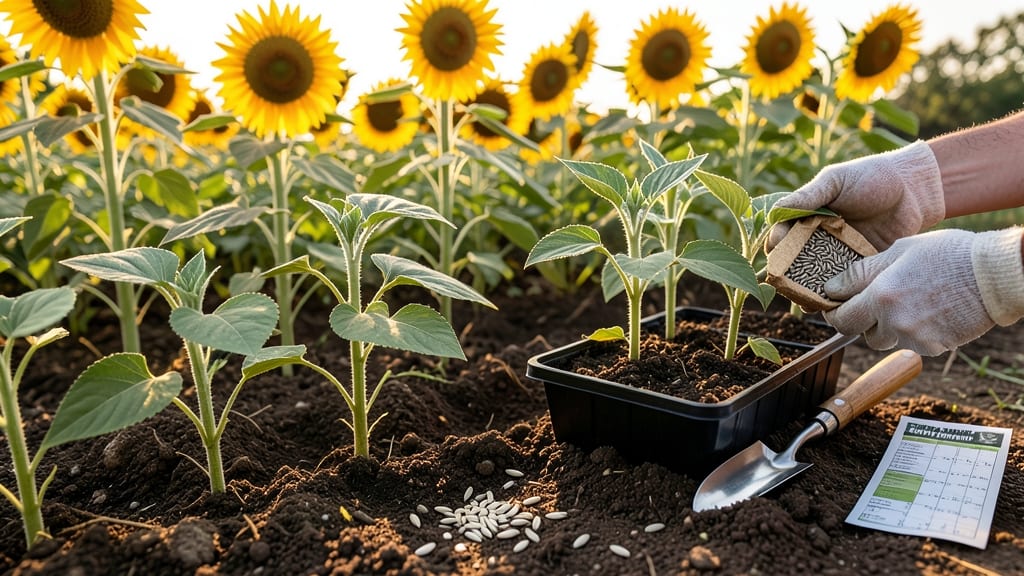
What time of year do you plant sunflowers to unlock their full 10-foot glory before frost? The answer isn’t just about the calendar—it’s about the last frost date in your zone. Plant too early, and cold snaps will stall growth; too late, and you’ll miss the 90-day window to harvest. The right window makes all the difference between a wildflower and a showstopper.
In USDA Zone 6a, where many gardeners live, that means aiming for May or June—but the exact month shifts from April in the South to July in the North.
This guide breaks down the best planting months for your region, plus pro tips to speed up growth and maximize those golden blooms.
You’ll learn how to adjust for your climate, avoid common planting mistakes, and even salvage late starts. Ready to grow sunflowers that outshine the rest of the garden?


Best sunflower planting months by USDA zone: a state-by-state guide
Sunflowers are one of the easiest plants to grow, but timing is everything for those towering blooms. Planting too early risks frost damage, while late planting can stunt growth before the first frost. The key is understanding your USDA zone and regional climate patterns to maximize your sunflowers' potential.
Northern gardeners have a shorter window than Southern growers, and even within a zone, elevation and microclimates play a role.
Most sunflowers thrive when planted after the last frost date, but giant varieties like 'Russian Giant' need a longer growing season, while dwarf varieties like 'Teddy Bear' can tolerate cooler temperatures.
Whether you're planting seeds directly or starting indoors, knowing your zone helps you avoid common mistakes like leggy seedlings or weak stems. Let’s break down the best planting months for each USDA zone, including regional adjustments for Southern vs. Northern climates.
🌱 Pro Tip: Always check your local last frost date—it’s the golden rule for sunflower planting. Use the National Weather Service or Almanac tools to find your exact date, as it can vary by 5-10 days even within the same zone.
In Northern climates (Zones 3-6), focus on planting after the last frost—typically May or early June. These zones have shorter growing seasons, so opt for dwarf or semi-dwarf varieties like 'Teddy Bear' or 'Moulin Rouge' to ensure they mature before the first frost.
If you’re eager to start early, begin starter plants indoors in late winter (February-March) and transplant after frost.
Southern climates (Zones 7-11) offer more flexibility. You can plant sunflowers as early as February or March in Zones 7-8, and even year-round in Zones 9-11. However, avoid planting during extreme heat—temperatures above 90°F can stress seedlings.
For a second crop, try planting in late summer (August-September) to enjoy fall blooms before winter.
🌡️ Heat Tolerance Tip: Giant sunflowers like 'Russian Giant' need consistent warmth to reach their full height. If you’re in a cooler zone, consider using black plastic mulch or row covers to warm the soil and extend the growing season.
For direct sowing, scatter seeds 1 inch deep and 6 inches apart in well-draining soil with full sun (6+ hours daily). If you’re using starter plants, transplant them after the soil warms to at least 50°F.
In Zones 3-6, wait until the soil is consistently above 55°F to avoid stunted growth.
One common mistake is planting sunflowers too early, which can lead to leggy, weak seedlings that struggle to stand upright. If you’re unsure about your frost date, use a soil thermometer to check—sunflowers need soil temps of at least 50°F to germinate properly. In Zones 9
How to adjust sunflower planting time for faster growth and larger blooms
Sunflowers grow fastest and produce the largest blooms when planted at the right time, but adjusting your schedule can make an even bigger difference. Early-maturing varieties like 'Moulin Rouge' or 'Autumn Beauty' thrive with strategic timing, while soil warming techniques can extend your growing season by weeks.
The key is balancing soil temperature, frost dates, and succession planting to maximize height and bloom size.
Most gardeners plant sunflowers after the last frost, but this isn’t always the fastest route. Cold-start planting (early sowing) can work in warmer climates, while warm-start planting (soil warming) is better for cooler regions. Each method has trade-offs—let’s break down when to use each for your garden’s success.
Cold-Start vs. Warm-Start Planting
Cold-Start Planting
- Pros: Simpler, no extra prep
- Cons: Slower germination, risk of frost damage
Best for: Zones 8-11, early spring sowing
Warm-Start Planting
- Pros: Faster growth, larger blooms, extended season
- Cons: Requires soil warming or black plastic
Best for: Zones 3-7, cooler climates
For warm-start planting, use black plastic mulch or a soil warming mat to raise soil temperature to 60°F+ before sowing. This jumpstarts growth and can shave 2-3 weeks off your sunflowers’ timeline. I’ve seen 'Autumn Beauty' varieties reach 8 feet in just 80 days when planted this way!
Succession planting is another game-changer. Instead of one big batch, sow new seeds every 2 weeks for a continuous display of blooms. This works especially well with dwarf varieties like 'Teddy Bear', which mature faster and won’t shade out later plantings.
Just ensure your soil stays consistently moist during germination.
If you’re in a shorter growing season, opt for early-maturing hybrids. Varieties like 'Moulin Rouge' (60 days) or 'Autumn Beauty' (75 days) are perfect for northern climates. They’ll still reach 6-8 feet tall while avoiding late-season frost risks. Pair these with row covers for extra protection if needed.
Remember, sunflowers need 6+ hours of sunlight daily, so avoid planting in shaded spots—even with perfect timing, poor light will stunt growth. For the biggest blooms, fertilize lightly with 10-10-10 at planting and again when stems reach 12 inches.
Over-fertilizing can lead to leafy growth at the expense of flowers.