
Plants
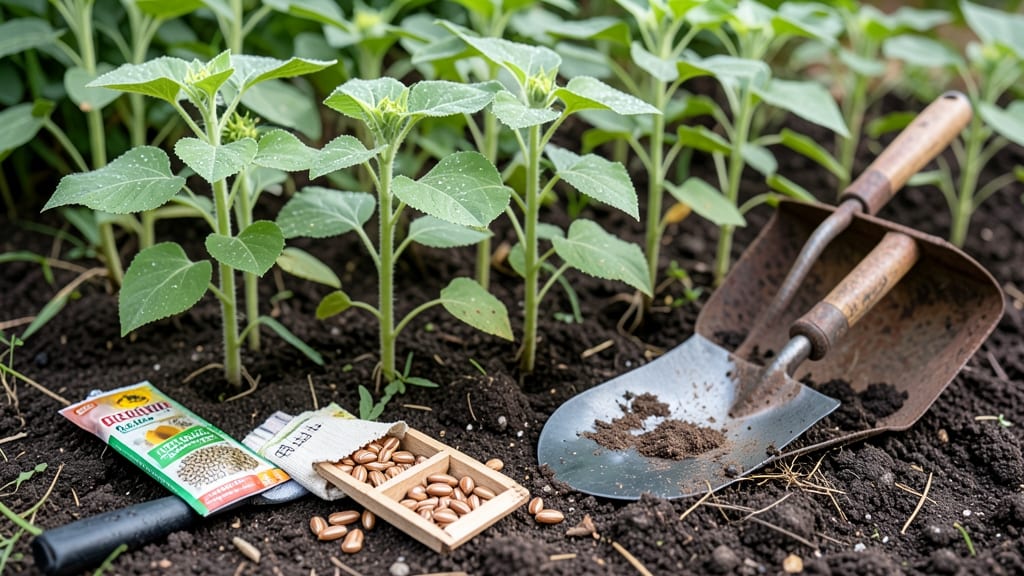
To plant sunflower seeds in Georgia, aim for mid-March through early July when soil temperatures hit at least 50°F—this window ensures your 🌻 sunflowers avoid frost damage and soak up summer’s heat for towering blooms.
Picture this: you’ve cleared the garden bed, seeds are ready, and the calendar says “go”—but wait. Planting too early risks frost nibbling tender sprouts, while waiting too long can leave you with stunted stems struggling under Georgia’s sweltering sun.
The 7b-8b zones each have their own sweet spot, and missing it means sacrificing those 12-foot giants you’ve been dreaming of.
Here’s the game-changer: Georgia’s North vs. South regions play by slightly different rules. Coastal areas can start as early as late February, while the mountains may need to wait until April.
We’ll break down the exact dates by zone, plus how to tweak your approach for dwarf varieties that bloom faster or giant types that need more time to reach their full height.
Beyond timing, you’ll discover how to prep soil for Georgia’s clay-heavy patches, when to water (hint: not every day!), and which companion plants keep pests at bay. By the end, you’ll have a foolproof plan to turn your garden into a sunflower paradise—just in time for late-summer harvests.
Georgia’s best planting windows for sunflowers by hardiness zone
Georgia’s diverse climate—spanning USDA zones 7b, 8a, and 8b—means your sunflower planting schedule should match your exact location. In zone 7b (northern GA), the last frost typically hits around March 15, while zones 8a and 8b (central/southern GA) enjoy frost-free starts as early as February 15.
These differences create a 4-week window shift for optimal planting, ensuring your sunflowers reach their 60–120-day maturity before Georgia’s first frost in mid-November.
Sunflowers love warmth, but they also need time to establish roots before summer’s 90°F+ heat sets in. Plant too early, and frost can damage tender seedlings; too late, and your giants may bolt prematurely.
The sweet spot? Soil temperatures of 50°F+ and consistent daytime highs above 60°F. In Georgia, this aligns with mid-March to early July, but your zone dictates the exact timing.
🌱 Key Takeaway: Use Georgia’s 210–240 frost-free days to your advantage. Shorter varieties (60–70 days to harvest) can stretch your planting window, while tall varieties (100+ days) need an earlier start to avoid heat stress.
| Zone | Last Frost Date | Optimal Planting Window | Soil Temp Threshold | Ideal Variety for Zone |
|---|---|---|---|---|
| 7b (North GA) | March 15 | Mid-April to early June | 50°F+ (consistent) | 'Russian Giant' (100+ days) |
| 8a (Central GA) | February 28 | Late March to mid-June | 50°F+ (earlier starts) | 'Autumn Beauty' (80–90 days) |
| 8b (South GA) | February 15 | Mid-March to early July | 55°F+ (warmer soils) | 'Moulin Rouge' (60–70 days) |
For zone 7b gardeners, aim to plant by June 1 to avoid summer’s peak heat. Tall varieties like 'Russian Giant' (12–16 ft!) need a May 1 start to mature before frost.
In zones 8a and 8b, you’ve got flexibility: late March works for short-season varieties, while June plantings can still yield blooms if you choose heat-tolerant types like 'ProCut' (great for cutting gardens).
Pro tip: Use a soil thermometer to confirm readiness—sunflowers won’t sprout until soil hits 50°F. In Georgia’s clay-heavy soils, consider adding compost or sand to improve drainage, especially in zone 7b, where cooler, wetter springs can delay warming.
If you’re in zone 8b, don’t overlook late summer plantings (early July). Shorter varieties like 'Teddy Bear' (3–4 ft) thrive with 70–80 days of growth, giving you fall blooms when humidity drops. Just space them 12 inches apart to prevent crowding in smaller gardens.
Watch for frost warnings in October—even zone 8b can see light frosts. If your sunflowers are still green and growing by October 15, consider harvesting seeds early or protecting plants with row covers.
Mature seed heads (brown and dry) can handle light frosts, but wilted petals signal it’s time to harvest.
For container growing in Georgia’s urban areas, stick to dwarf or semi-dwarf varieties (e.g., 'Sunspot') and plant after May 15 to avoid root-bound stress in summer heat. Containers dry out faster, so water deeply every 2–3 days and use self-watering pots if possible.
🌻 Remember: Georgia’s long growing season is your ally—stagger plantings every 2–3 weeks to enjoy sunflowers from June through October. Start with early varieties, then follow with tall types for a season-long show.
How to adjust planting time for sunflower varieties in Georgia’s heat
Georgia’s summer heat can be brutal for sunflowers, especially if you plant the wrong variety at the wrong time. The key to a continuous display of vibrant blooms is staggered planting—mixing early, mid, and late-season varieties to extend your harvest window.
I’ve found that ‘Moulin Rouge’ (early bloomer) and ‘Russian Giant’ (late-season giant) work beautifully together when planted just a few weeks apart.
Early varieties like ‘Moulin Rouge’ (50–60 days to maturity) should hit the ground in late February to early March for North Georgia (Zone 7b). This gives them time to mature before the peak summer heat arrives.
Meanwhile, heat-tolerant ‘Autumn Beauty’ (80–90 days) thrives when planted in late May to early June, ensuring blooms well into fall.
Here’s how to balance timing, variety, and climate for maximum success in Georgia’s Zone 7b–8b regions:
| Variety | Planting Window | Maturity Time | Heat Tolerance | Best For |
|---|---|---|---|---|
| ‘Moulin Rouge’ | Late Feb–Early March | 50–60 days | Moderate | Early blooms, cut flowers |
| ‘Autumn Beauty’ | Late May–Early June | 80–90 days | High | Fall harvest, seed production |
| ‘Russian Giant’ | Mid-April–Late May | 100–120 days | Very High | Tallest blooms, late-season |
For South Georgia (Zone 8a–8b), you can push planting back by 2–3 weeks since the frost risk is lower. For example, ‘Moulin Rouge’ can wait until early March, while ‘Russian Giant’ thrives with a late April start.
The goal is to avoid planting when soil temps exceed 85°F, which can stunt germination.
Staggering your plantings by 3–4 weeks between varieties ensures a continuous bloom cycle. I’ve seen gardens in Athens (Zone 8a) maintain sunflower color from May through October by using this method. Just be sure to water deeply during Georgia’s dry summer months to keep stems sturdy and blooms vibrant.
Pro tip: If you’re growing sunflowers for seed production, prioritize late-season varieties like ‘Russian Giant’—they handle heat better and yield larger seeds. For cut flowers, early bloomers like ‘Moulin Rouge’ give you bouquets before summer’s peak.
🌻