
Plants
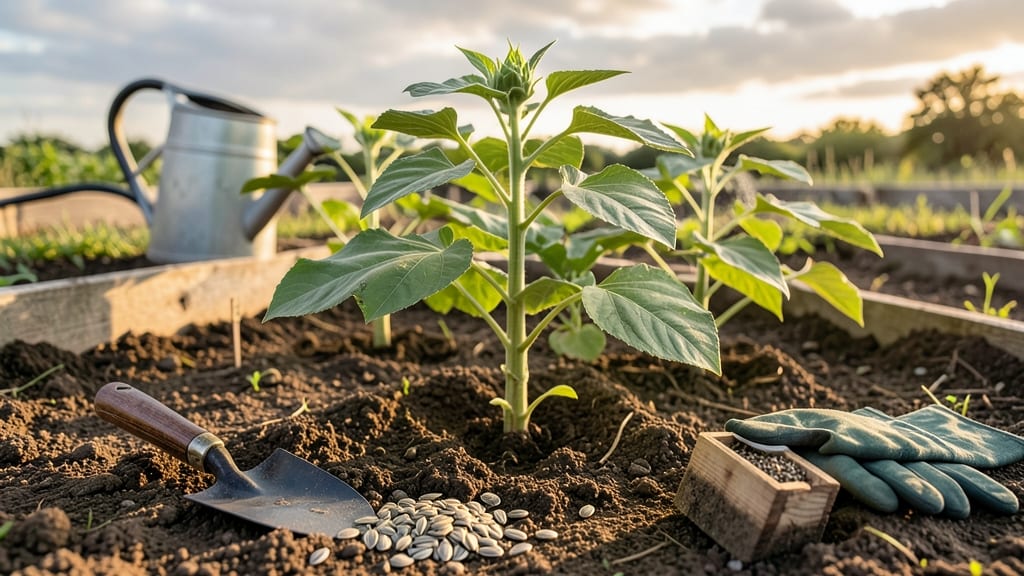
Planting sunflower seeds outside after the last frost date ensures strong, healthy blooms 🌻 — and timing is the difference between towering stems and sad, stunted plants.
Sunflowers bring joy and beauty to any garden—but planting them at the wrong time can leave you with weak stems or no blooms at all. Timing is everything, especially when it comes to frost-sensitive sunflower seeds.
In USDA Zone 6a, that means waiting until mid-April to early June, when soil temperatures stay above 50°F and the threat of frost has passed.
Too early, and a late freeze will kill your seedlings; too late, and you might miss the 70- to 120-day growing window needed for full-size blooms.
Below, I’ll break down the exact frost-free dates by zone, how to prep your soil for sunflowers, and the 3 key signs your seeds are ready to thrive once planted.
Optimal planting dates for sunflowers by US hardiness zones
Sunflowers thrive when planted after the last frost date in your area, but the exact timing varies dramatically across the USDA hardiness zones 3-11. In colder northern zones, you'll need to wait until late spring, while southern gardeners can start as early as February.
The key is ensuring soil temperatures stay above 50°F (10°C)—cold soil slows germination and weakens young seedlings.
Most sunflower varieties need 60-120 days to mature, so your planting window depends on your first frost date. Early varieties like 'Teddy Bear' (60 days) give you flexibility, while giant varieties like 'Russian Giant' (120 days) need perfect timing.
Let's break down the best planting windows by zone to maximize your sunflower success.
🌱
| USDA Zone | Last Frost Date | Optimal Planting Window | Soil Temp Requirement | Notes |
|---|---|---|---|---|
| Zones 3-4 | Mid-May | Late May to early June | 55-60°F (13-16°C) | Use row covers for early starts |
| Zones 5-6 | Mid-April to early May | Early May to mid-June | 50-55°F (10-13°C) | Best for dwarf varieties |
| Zones 7-8 | Mid-March to early April | March to early May | 45-50°F (7-10°C) | Can plant early varieties in late winter |
| Zones 9-10 | Mid-January to early February | February to April | 40-45°F (4-7°C) | Long growing season allows multiple plantings |
| Zone 11 | None (tropical) | Year-round (avoid summer heat) | 55°F+ (13°C+) | Plant in fall or spring for best results |
In northern zones (3-6), I recommend waiting until after Memorial Day to plant sunflower seeds. The soil needs to warm up significantly before seeds will germinate properly.
If you're eager to start earlier, you can use a seedling heat mat to jumpstart germination indoors, then transplant outdoors after the last frost.
For southern zones (7-11), timing becomes more flexible. You can plant sunflowers as early as February in Zone 7, but be cautious about late frosts. In Zone 11, you can even plant in fall for a winter harvest.
Just avoid planting during peak summer heat when temperatures exceed 90°F (32°C), which can stress young plants.
🌿
One common mistake is planting sunflower seeds too early in cooler climates. If the soil temperature drops below 50°F (10°C), germination can take 3-4 weeks instead of the usual 7-10 days.
This delays growth and reduces plant vigor. Always check soil temperature with a soil thermometer before planting—it's the most reliable indicator of success.
In Zone 5 and colder, I've found that planting sunflower seeds in early June often yields the best results. This timing gives plants enough time to mature before the first frost in fall.
For Zone 9 and warmer, you can even make two plantings: one in February and another in August for a fall harvest.
💧
After planting, maintain consistent moisture—especially during germination. Sunflower seeds need 1-2 inches of water per week during their first month. Once established, they become quite drought-tolerant, but don't let them dry out completely during flowering.
The buds form in the top 6-8 inches of the plant, so consistent watering prevents them from drying out and falling off.
Remember that microclimates within your region can affect planting times. Areas near large bodies of water or at higher elevations may have later frost dates. Always check your local cooperative extension service for precise frost date information tailored to your specific location.
How to adjust sunflower planting for your local microclimate
Your local microclimate plays a bigger role in sunflower success than you might think. Cold snaps, late frosts, and urban heat islands can all shift your ideal planting window. Even within the same USDA zone, a valley might be 2-3 weeks warmer than a mountain slope.
I’ve learned to adjust based on soil temperature, historical frost dates, and local weather patterns—not just the calendar.
For gardeners in Zone 3-5, the risk of frost lingers well into June. I’ve had sunflower seedlings fried by unexpected cold even when planted after the "official" last frost date.
That’s why I now use row covers or start seeds indoors in biodegradable pots 2-3 weeks before the recommended outdoor date. In Zone 7-10, the opposite challenge arises—heat stress can stunt germination if planted too early.
Here’s the critical mistake I see most often: assuming your neighbor’s planting date works for you. A garden just one mile uphill might experience 5°F cooler nights, delaying your safe planting window by 10-14 days.
Always check your local cooperative extension service for 3-year frost averages—not just the 10-year normals.
⚠️ Warning: Planting Sunflower Seeds Too Early or Late
Too Early: Seeds rot in cold, wet soil (<45°F/7°C). Look for yellowing seedlings or blackened stems—these are frost damage signs. Even if soil looks dry, subsurface moisture can keep temps dangerously low.
Too Late: Plants won’t mature before first frost. In short-season zones, this means no blooms and wasted effort. Use fast-maturing varieties (60-day) if your season is tight.
Solution: Test soil temperature with a soil thermometer—sunflowers need 55°F/13°C for germination. If temps fluctuate, delay planting until consistent warmth arrives.
Row covers are my secret weapon for extending the season in cool climates. I use floating row covers to protect seedlings until they’re 4-6 inches tall, then remove them to prevent heat stress.
For late-summer planting, I’ve had success covering seeds with black plastic mulch to warm the soil 5-10°F faster than bare earth.
Don’t overlook windbreaks either. Sunflowers can flop over in strong winds, especially tall varieties like 'Russian Giant'. I plant mine near tall grasses or cornstalks to reduce swaying. In urban areas, concrete heat can actually help—plant near south-facing walls to create a microclimate 5°F warmer than open fields.
Finally, watch for these 3 warning signs your timing is off: stunted growth (too late), leaf curl (heat stress), or blackened stems (frost damage). Adjust next year’s schedule by 1-2 weeks earlier or later based on what you observe.
Your sunflowers will thank you with stronger stems and bigger blooms!