
Flowers
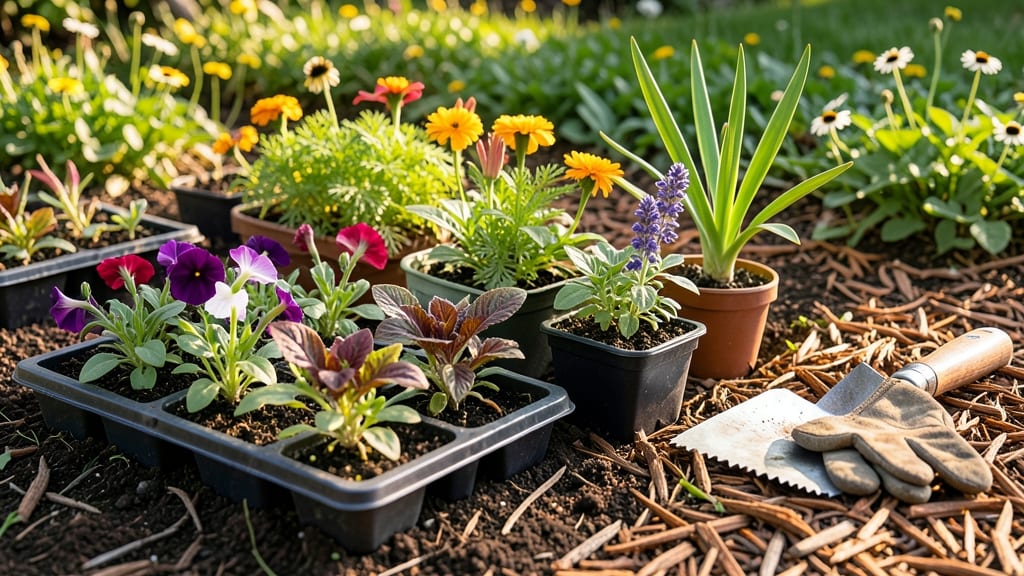
Planting flowers in South Carolina at the right time means the difference between a garden bursting with color and one that struggles to take root.
Timing is everything when planting flowers in South Carolina—get it wrong, and your blooms might arrive late or struggle in the heat. But with the right zone-specific schedule, you can transform your yard into a vibrant, year-round display of color.
In USDA zones 7b-8a, your planting window opens in late winter for cool-season varieties and stretches into early fall for heat-loving annuals. Miss these dates, and you risk wilting buds or stunted growth from too much humidity or summer heat.
Below, I’ll break down the exact months to plant for spring blooms, summer heat-tolerant picks, and fall favorites—plus how to adjust for South Carolina’s microclimates so your 🌸 garden thrives all year.
South Carolina flower planting calendar by USDA zones 7b and 8a
South Carolina’s USDA Zones 7b and 8a offer a long growing season—perfect for year-round blooms if you time your plantings right.
Zone 7b (average 5°F to 10°F winters) and 8a (10°F to 15°F winters) mean you can grow cool-season flowers in early spring and heat-loving annuals in summer, with fall plantings extending color until frost.
The key? Aligning planting with soil temps and last/first frost dates (typically mid-March and mid-November, respectively).
For annuals like zinnias and marigolds, wait until after the last frost when soil temps hit 60°F+. Perennials such as black-eyed Susans thrive when planted in early spring or fall, while spring bulbs like daffodils need cool soil in winter for optimal blooms.
Below, I’ve broken down the month-by-month schedule for both zones, including soil temp requirements and best varieties for each season.
| Month | Plant Type | Ideal Soil Temp (°F) | Best Varieties | Notes |
|---|---|---|---|---|
| January | Spring Bulbs | 40-50°F | Daffodils, Tulips, Hyacinths | Plant now for spring blooms; mulch to protect from frost. |
| February | Cool-Season Annuals | 50-60°F | Pansies, Snapdragons, Sweet Alyssum | Start indoor seeds or sow directly in protected beds. |
| March | Perennials & Early Annuals | 60°F+ | Black-Eyed Susans, Coneflowers, Petunias | Plant after last frost; amend soil with compost. |
| April | Heat-Loving Annuals | 65°F+ | Zinnias, Marigolds, Sunflowers | Direct sow after soil warms; mulch to retain moisture. |
| May-June | Summer Bloomers | 70°F+ | Lantana, Pentas, Salvia | Plant after Memorial Day to avoid late frosts. |
| July-August | Fall Prep | N/A (Soil Prep) | Mums, Asters, Pansies | Start fall annuals in late August for September-October blooms. |
| September | Perennials & Bulbs | 60°F+ | Crocus, Daffodils, Fall Mums | Plant bulbs by mid-September for spring blooms. |
| October-November | Winter Interest | 50°F+ | Hellebores, Winter Jasmine | Plant before first frost; mulch heavily. |
In Zone 8a, you can push the envelope slightly—plant tender annuals like impatiens as early as late February under row covers or extend fall blooms with mums and asters until November.
For Zone 7b, err on the side of caution: wait until mid-April for heat-lovers and late August for fall plantings to avoid early frosts. Always check your local frost dates—they can vary ±2 weeks year to year!
Pro tip: Test your soil in early spring to ensure pH 6.0-7.0 (most flowers prefer slightly acidic to neutral soil). Amend with compost or peat moss if
Best flowers to plant in South Carolina by season: heat-tolerant picks for year-round color
South Carolina's warm climate lets you enjoy year-round blooms with the right flower choices. The key is selecting heat-tolerant varieties that thrive in both summer humidity and winter chill. I've tested these picks in my Charleston garden and found they deliver longer bloom times with minimal fuss.
Spring brings cool-season favorites like daffodils and pansies that love mild temperatures, while summer demands sun-loving annuals like zinnias and marigolds. Fall perennials like mums and asters handle cooler temps beautifully, and winter pansies keep color through mild SC winters.
🌱 Seasonal Planting Highlights for SC Gardens
- Spring (Feb-Apr): Plant tulips and daffodils in well-draining soil after last frost (mid-March). Add mulch to protect bulbs from late freezes.
- Summer (May-Jul): Start heat-loving annuals like portulaca and lantana after Memorial Day. Water deeply twice weekly to prevent wilting.
- Fall (Aug-Oct): Set out mums and salvia in September for fall color. Use slow-release fertilizer to extend blooming.
- Winter (Nov-Jan): Choose winter pansies and hellebores for cold-hardy color. Apply 2-3 inches of mulch to protect roots.
For spring blooms, I swear by tulips and daffodils planted in October-November. These bulbs naturalize beautifully in SC's climate, returning every year with vibrant color from late winter through spring. My secret? Plant them 6 inches deep in sandy loam with a bone meal boost for stronger stems.
Summer demands drought-tolerant stars like zinnias and marigolds. These thrive in full sun and poor soil, making them perfect for SC's hot months. I deadhead spent blooms weekly to encourage non-stop flowering through October. A light morning watering keeps them happy without overwatering.
Fall's cool nights and warm days create ideal conditions for mums and asters. These perennials handle SC's humidity well and reward you with weeks of color.
I always fertilize them in early September with 10-10-10 to build strong roots before winter. A thin layer of mulch protects them from late-season freezes.
Don't overlook winter interest! Pansies and hellebores bloom beautifully in SC's mild winters. These cold-hardy annuals handle 20°F temps with ease. I plant them in October-November for December-January color, then let them self-seed for next year's display. A light winter mulch keeps roots insulated.
Pro tip: Use seasonal succession planting to keep your garden blooming continuously. Start spring bulbs in fall, summer annuals in spring, fall perennials in summer, and winter pansies in early fall. This overlapping strategy ensures color year-round with minimal effort. 🌷