
Flowers
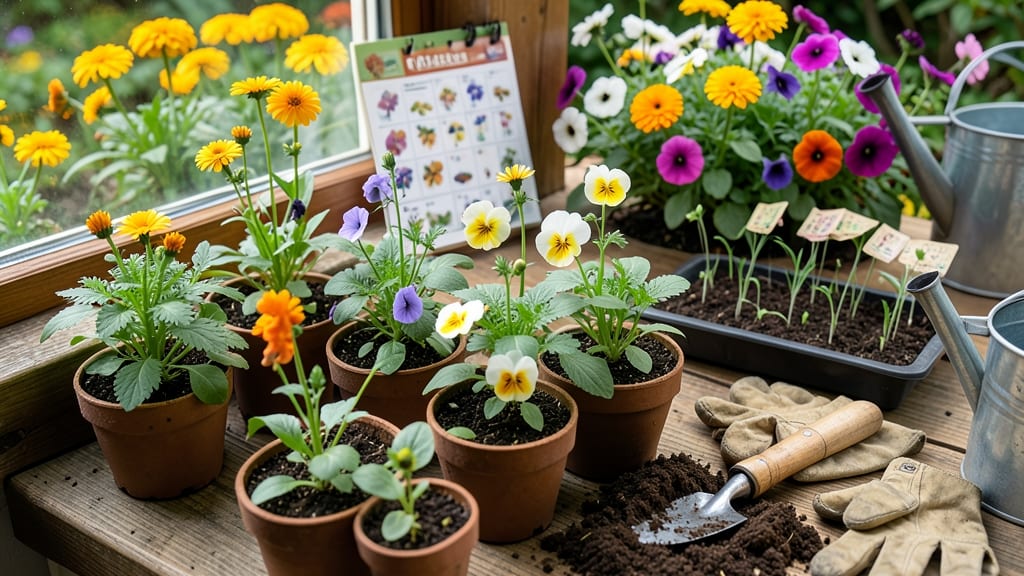
Starting flowers at the right time means the difference between a garden bursting with color and one left wilted by frost—so timing your planting is the key to success 🌸.
Timing your flower planting can mean the difference between vibrant blooms and frost-nipped disappointment—so knowing your USDA zone is essential for success.
In zone 6a, like where I garden, the ideal window opens after your last frost around April 15, but cooler regions may need to start seeds indoors as early as February.
Below, I break down the best planting months by zone, when to sow seeds indoors vs. outdoors, and how to adjust for organic vs. conventional methods—so you can plan ahead for a garden that thrives all season.


USDA planting zones: when to start flowers indoors vs outdoors
Timing your flower planting can mean the difference between vibrant blooms and frost-nipped disappointment—and your USDA zone is the secret code to success. Whether you're starting seeds indoors or planting directly outdoors, knowing when to begin ensures your flowers thrive.
Let's break down the best times for zones 3-10, including last frost dates and ideal bloom windows.
For most gardeners, the key decision is whether to start seeds indoors 6-8 weeks before last frost or plant directly outdoors after soil warms. Cool-season flowers like pansies and snapdragons can handle early planting, while heat-lovers like marigolds and zinnias need warmer soil.
Let's dive into zone-specific timing to maximize your blooms.
| USDA Zone | Last Frost Date | Indoor Start (Weeks Before) | Direct Outdoor Planting | Ideal Bloom Window |
|---|---|---|---|---|
| 3-4 | May 1-15 | 8-10 weeks | After May 15 | June-September |
| 5-6 | April 15-May 1 | 6-8 weeks | After April 15 | May-October |
| 7-8 | March 15-April 15 | 4-6 weeks | After March 15 | April-November |
| 9-10 | February 15-March 15 | 2-4 weeks | After February 15 | March-December |
*Timing based on average frost dates—always check local forecasts for adjustments
In zones 3-4, where frosts linger until mid-May, starting seeds indoors 8-10 weeks before last frost gives delicate flowers like petunias and geraniums a head start. Direct outdoor planting should wait until soil reaches 55°F—usually after May 15.
These zones have a shorter growing season, so focus on cool-season flowers that tolerate light frosts.
Gardeners in zones 5-6 enjoy a longer season, with last frosts typically arriving by early May. For these areas, begin indoor seed starting 6-8 weeks before last frost—around mid-February—to ensure strong seedlings by transplant time.
Direct outdoor planting can begin after April 15, once soil warms to 60°F. This zone is perfect for both cool-season and warm-season flowers.
Warmer zones 7-8 offer flexibility, with last frosts as early as mid-March. Here, you can start seeds indoors 4-6 weeks before last frost or even direct-sow some heat-tolerant varieties like cosmos and sunflowers in early spring. The extended season allows for year-round blooms with strategic planting.
In the mildest zones (9-10), frost is rare, and you can start seeds indoors as late as 2-4 weeks before last frost—often in February. Direct outdoor planting can begin as early as mid-February for warm-season flowers like hibiscus and bougainvillea.
These zones even allow for fall planting of cool-season flowers like calendulas and stock.
Remember, soil temperature matters just as much as air temperature. Use a soil thermometer to confirm 55-60°F for most flowers before planting. For cool-season flowers, you can plant 4-6 weeks before last frost—even if light frosts remain—to enjoy early blooms.
Pro tip: Succession planting every 2-3 weeks ensures continuous blooms. For example, start a new batch of marigolds every month in zones 7-10 to maintain summer color. And always check your local frost dates—they can vary 1-2 weeks from the USDA averages.
By aligning your planting with your zone's frost dates and soil conditions, you'll transform your garden into a nonstop bloom factory. Happy planting! 🌸
Best flowers to plant by season for maximum blooms
If you want a garden bursting with color all year, knowing which flowers thrive in each season is key. Cool-season bloomers like pansies and snapdragons love spring's crisp air, while heat-loving annuals such as marigolds and zinnias take center stage in summer.
Even perennials have perfect planting windows to ensure continuous blooms.
Timing matters most—planting too early can lead to frost damage, while late planting may miss peak bloom seasons. The secret? Matching your USDA zone with each flower's ideal planting window. For example, spring-blooming bulbs like tulips need chilly soil to root before warmer weather arrives.
🌱 Seasonal Planting Timeline for Peak Blooms
- 🌸 Early Spring (March-April): Plant cool-season annuals (pansies, violas) and hardy perennials (coneflowers, black-eyed Susans) after last frost. Start tender perennials (like lavender) indoors 8-10 weeks before transplanting.
- ☀️ Late Spring (May): Direct-sow heat-lovers (marigolds, zinnias, sunflowers) once soil hits 60°F+. Transplant tender annuals (petunias, geraniums) after danger of frost passes.
- 🌿 Summer (June-August): Succession plant fast-growing annuals (basil flowers, cosmos) every 2-3 weeks for continuous blooms. Deadhead perennials (like daylilies) to encourage reblooming.
- 🍂 Early Fall (September): Plant fall-blooming annuals (mums, asters) 6-8 weeks before first frost. Sow winter-hardy bulbs (crocuses, daffodils) for spring color.
- ❄️ Late Fall (October-November): Mulch perennials (peonies, hostas) after first frost. Plant winter pansies in containers for early spring blooms.
For year-round color, layer perennials (like Russian sage) with annuals (such as sweet alyssum). Perennials establish roots in spring, then bloom through summer and fall, while annuals fill gaps with instant color. Succession planting every 3-4 weeks keeps your garden lively from spring to frost.
Don't overlook fall planting—many flowers (like snapdragons and stock) thrive when planted in late summer for autumn and early winter blooms. These cool-season favorites handle light frosts and even bloom under snow in some zones. Just ensure they get 6+ hours of sun daily.
Pro tip: Use mulch to regulate soil temperature and retain moisture. Organic mulch (like straw) also suppresses weeds, giving your flowers a competitive edge. For container gardens, choose heat-tolerant varieties (like portulaca) that thrive in pots with minimal soil volume.
With the right seasonal lineup, your garden can be a nonstop floral show—just time your plantings like a pro! Start with cool-season stars in spring, transition to heat-lovers in summer, and end with frost-hardy beauties in fall for a garden that never sleeps. 🌷