
Fertilization
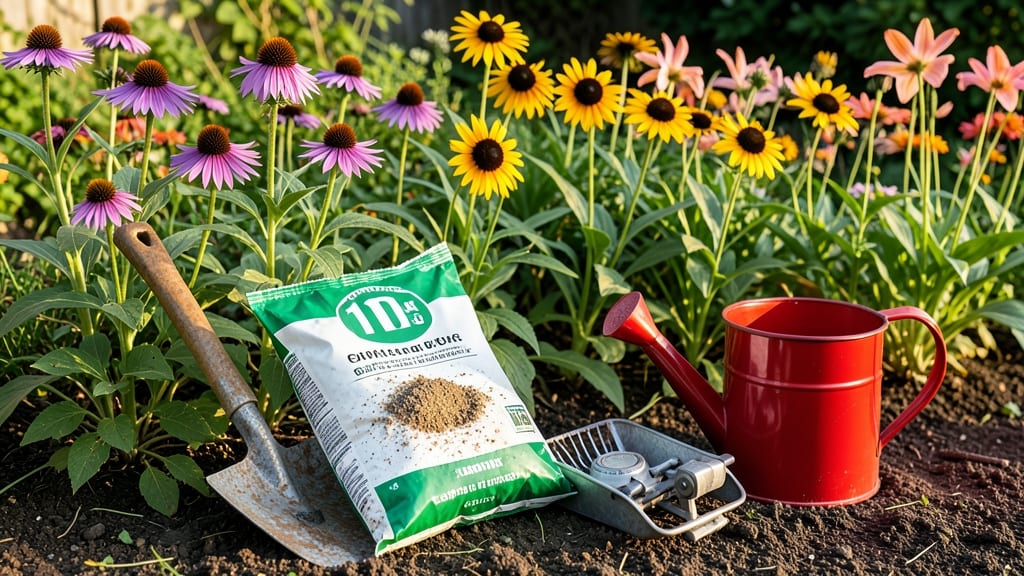
To fertilize flowers at the right time means feeding them when they’re ready to grow—not before or after—so they burst into vibrant blooms instead of struggling to survive.
Picture this: You’ve poured hours into planting your 🌸 flowers, only to watch them wilt or bloom weakly because you fed them too early or too late. The difference between a thriving garden and a lackluster one often comes down to timing.
In this guide, I’ll break down the best times to fertilize flowers by season, plant type, and even your local climate—so you can avoid common mistakes and give your blooms the boost they need.
You’ll learn when to start feeding in spring, how to maintain blooms through summer, and why fall fertilization can set your garden up for next year’s success.

Seasonal fertilization schedule for flowering plants by climate zone
Timing your flower fertilization isn't just about throwing down nutrients—it's about syncing with your plants' natural growth cycles. In USDA zones 3-10, the right schedule can mean the difference between vibrant blooms and weak stems.
I've grown everything from hardy peony bushes in zone 5 to tropical hibiscus in zone 10, and I've learned that one-size-fits-all approaches fail. Let's break down when to feed your flowers for maximum impact.
Your climate zone dictates everything from spring feeding timing to late-summer root strengthening. For example, zone 3's early spring kickstarts at soil thaw (around mid-April), while zone 10's tropical flowers can feed year-round with adjusted nutrient levels.
Even in the same zone, annuals vs. perennials require different approaches—annuals need quick bursts of nutrients, while perennials benefit from slow-release feeding.
Here's your month-by-month fertilization guide tailored to USDA zones 3-10, with special notes for tropical climates (zones 9-10) where winter dormancy doesn't exist. Each timing aligns with your flowers' biological clocks: root development, bud formation, and bloom maintenance.
In zones 3-6, your first fertilization should happen as soon as soil is workable after winter—typically late April to early May. I've seen peony bushes in my zone 5 garden explode with blooms when fed balanced fertilizer at this stage.
The key is to avoid feeding when soil temperatures are still below 50°F, as nutrients won't activate properly. For annuals like petunias, start feeding 2 weeks after transplanting
Signs your flowers need fertilizer (and when to avoid it)
Your flowers might be silently screaming for help if their leaves turn yellowish-green between the veins—a classic sign of nitrogen deficiency.
This often happens when roots can't access enough nutrients from the soil. Slow growth or small, sparse blooms are other red flags, especially if your neighbors' flowers are thriving nearby. Even pale stems or drooping petals can indicate your plants are starving for essential nutrients like phosphorus or potassium.
But here's the catch: not all nutrient needs translate to fertilizer needs. For example, newly planted flowers often show slow growth because they're focusing energy on root establishment—not because they need extra food.
Similarly, stressed plants (like those recovering from pests or disease) may benefit more from water and rest than from fertilizer. Always check the soil first—sometimes the issue is poor drainage or compacted roots rather than hunger.
When to Fertilize Your Flowers
✅ Fertilize When...
- 🌱 New growth appears slow or stunted
- 🌺 Blooms are smaller than expected
- 🌿 Leaves show yellowing between veins
- 📅 It's early spring (after last frost)
- 📅 Mid-summer (for second flush of blooms)
❌ Avoid Fertilizing When...
- ❄️ Plants are dormant (winter months)
- 🌡️ Soil is frozen or waterlogged
- 🍂 Leaves show burn (brown crispy edges)
- 🌧️ Heavy rain is forecasted (runoff wastes fertilizer)
- 🦟 Pests or disease are present (focus on treatment first)
Pro Tip: Always water deeply before and after fertilizing to prevent root burn.
Over-fertilizing is just as damaging as under-fertilizing. Watch for crispy brown edges on leaves—a sure sign of salt buildup from excess fertilizer.
If your flowers produce lots of leaves but few blooms, you might be overdoing it with nitrogen. Wilting despite moist soil can also indicate fertilizer shock, where roots are overwhelmed by too many nutrients at once.
In these cases, flush the soil with water several times to dilute the salts.
Timing matters just as much as the amount.
For most flowering plants, early spring (just as new growth begins) and mid-summer (to encourage a second bloom cycle) are ideal times to fertilize. Late summer is actually a great time to stop fertilizing—this gives plants time to harden off before winter. Bulb flowers like tulips and daffodils need no fertilizer at all—they store energy in their bulbs!
Don't forget that organic matter like compost or well-rotted manure can often replace synthetic fertilizers. These slow-release options feed plants steadily while improving soil structure and microbe activity.
For container-grown flowers, use a balanced liquid fertilizer (like 10-10-10) every 4-6 weeks during the growing season, but cut back in fall to avoid encouraging tender new growth before winter.
Remember: healthy soil equals healthy flowers. Before reaching for fertilizer, test your soil's pH and nutrient levels. Many garden centers offer affordable test kits, and results will tell you exactly what your flowers need—whether it's more nitrogen, phosphorus for roots, or potassium for blooms.
Sometimes, the simplest solution—like adding compost or mulch—works better than any chemical fix.