
Flowers
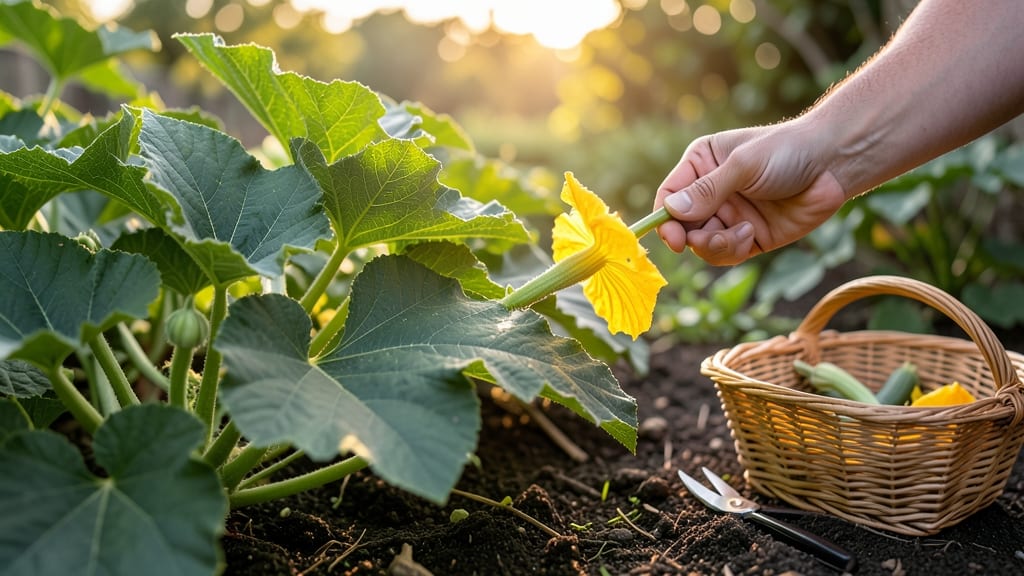
Picking zucchini flowers at the right time ensures you get the most flavorful blooms and a thriving 🎃 harvest.
Did you know these edible flowers aren’t just pretty—they’re a gourmet delicacy when picked at their peak? Timing your harvest correctly ensures both delicious blooms and a bountiful zucchini crop.
Most gardeners miss the best window, which is why you might end up with bitter-tasting flowers or fewer zucchinis on the vine. The secret lies in morning harvests and knowing exactly when those bright yellow blooms are ready to pick.
In this guide, I’ll break down the ideal timing, how to spot perfect flowers, and the simple tricks to balance harvesting without hurting your plant’s fruit production.
Optimal harvest time for zucchini flowers: morning vs. late afternoon
Timing is everything when harvesting zucchini flowers—especially if you want the best flavor and texture. Picking at the wrong time can turn a delicate bloom into a bitter disappointment or even harm your plant's fruit production.
The golden rule? Harvest before they fully open, typically in the morning hours when dew is still present but humidity is low.
Morning harvests between 6 AM and 9 AM give you the freshest, most flavorful blooms because they haven't been exposed to midday heat or evening moisture, which can cause wilting.
Late afternoon picks (after 4 PM) risk harvesting flowers that are already stressed from the day's heat, compromising their culinary quality and potentially reducing your plant's pollination success.
Why does timing matter so much? Zucchini flowers are at their peak when buds are swollen but still closed, measuring about 1-2 inches wide. At this stage, they're packed with flavor and tenderness.
If you wait until they fully bloom, the petals become tougher, and the stamens may have already released pollen, which can affect your zucchini yield.
Here's the kicker: harvesting at the right time doesn't just improve your edible flowers—it also boosts your zucchini crop. When you remove immature buds, the plant redirects energy to producing more fruit instead of seeds, giving you a higher yield of plump zucchinis.
It's a win-win for your garden and your dinner plate!
| Harvest Time | Best For | Flavor Impact | Plant Impact |
|---|---|---|---|
| Morning (6-9 AM) | Edible flowers Best flavor |
Sweet, tender Peak freshness |
Encourages fruit production |
| Late Afternoon (4-6 PM) | Pollination Last resort |
Milder flavor Slightly tougher |
May reduce fruit set |
| Before Full Bloom | Best yield Optimal quality |
Most flavorful Tender petals |
Maximizes fruit production |
| After Full Bloom | Avoid | Bitter, tough Reduced quality |
Harms fruit yield |
If you're harvesting for culinary use, focus on the female flowers (they have tiny zucchini forming at the base). For best results, pick these when the bud is 1-2 inches wide but still closed.
Male flowers (no zucchini at the base) can be harvested slightly later, but morning is still ideal. Pro tip: Use clean, sharp pruning shears to avoid damaging the plant.
One common mistake gardeners make is waiting until flowers are fully open. By then, the petals lose tenderness and the flavor diminishes.
Plus, fully opened flowers have already participated in pollination, which means your plant has already allocated resources to fruit development—removing them at this stage can reduce your zucchini harvest. Think of it as stealing from your future crop!
For container gardeners, morning harvests are even more critical because plants in pots can overheat quickly. The compact root system means less ability to recover from stress, so timing becomes even more precise.
If you're growing zucchini in containers or raised beds, consider harvesting every 2-3 days during peak bloom to maintain plant health and maximize your harvest.
Remember, the best time to harvest isn't just about the clock—it's about the flower's readiness. Gently squeeze the bud: if it feels firm and the petals are bright green or pale yellow, it's ready.
If the bud feels soft or the petals are dull or brown, wait another day. This simple check can make all the difference in your flower quality and your plant's productivity.
Finally, always harvest on a dry morning after dew has evaporated. Wet flowers are more prone to rot or pest damage, and they won't store as well.
After picking, use your blooms immediately or refrigerate them for up to 2 days in a paper towel-lined container to preserve their freshness and flavor. With the right timing, you'll enjoy gourmet-quality flowers and a bountiful zucchini harvest all season long!
How to tell when zucchini flowers are ready for picking (with visual clues)
Picking zucchini flowers at the perfect moment ensures they’re tender, flavorful, and ready for frying or stuffing. But how do you know when they’re truly ripe? The key lies in three simple visual cues: bud size, petal color, and stem firmness.
Overlooking these can lead to tough stems or missed pollination opportunities for your zucchini crop.
Start by examining the flower buds. Ready-to-pick flowers should be about 2-3 inches wide when fully open, with petals that unfurl naturally. If the bud is still tightly closed or smaller than a golf ball, it’s not ready yet.
Pay attention to the color intensity—vibrant yellow petals signal peak ripeness, while pale or green-tinged blooms need more time.
| Indicator | Ready-to-Pick Signs | Not Ready Signs |
|---|---|---|
| Bud Size | 2-3 inches wide, fully unfurled | Smaller than 2 inches, still closed |
| Petal Color | Bright, vibrant yellow | Pale, green-tinged, or dull |
| Stem Firmness | Slightly woody but clean break | Soft, mushy, or difficult to detach |
| Stamen Visibility | Fully extended, prominent | Recessed or undeveloped |
| Time of Day | Morning (before 10 AM) | Afternoon or evening |
Don’t forget to check the stem firmness. A ready-to-pick flower should detach cleanly with a slight tug—if the stem bends or feels mushy, it’s not mature enough.
For the best flavor, always harvest in the morning when petals are crisp and dew-free. This timing also preserves their delicate texture for cooking.
Over-picking flowers can reduce your zucchini yield, so balance is key. Leave at least 3-5 flowers per plant to ensure pollination and fruit production. If you notice wilted petals or drooping stems after picking, you’ve waited too long. These signs mean the flower has already served its purpose for pollination.
Pro tip: Use a pair of clean pruning shears to avoid damaging the main stem. Cut just above a leaf node to encourage new growth. For container gardeners, limit yourself to 1-2 flowers per plant to prevent overburdening the plant.
Monitor your zucchini’s overall health—healthy foliage means it can handle more flower harvesting.
Once you master these visual clues, you’ll enjoy a steady supply of edible zucchini blossoms while still reaping a bumper crop of zucchini. Happy harvesting!