
Flowers
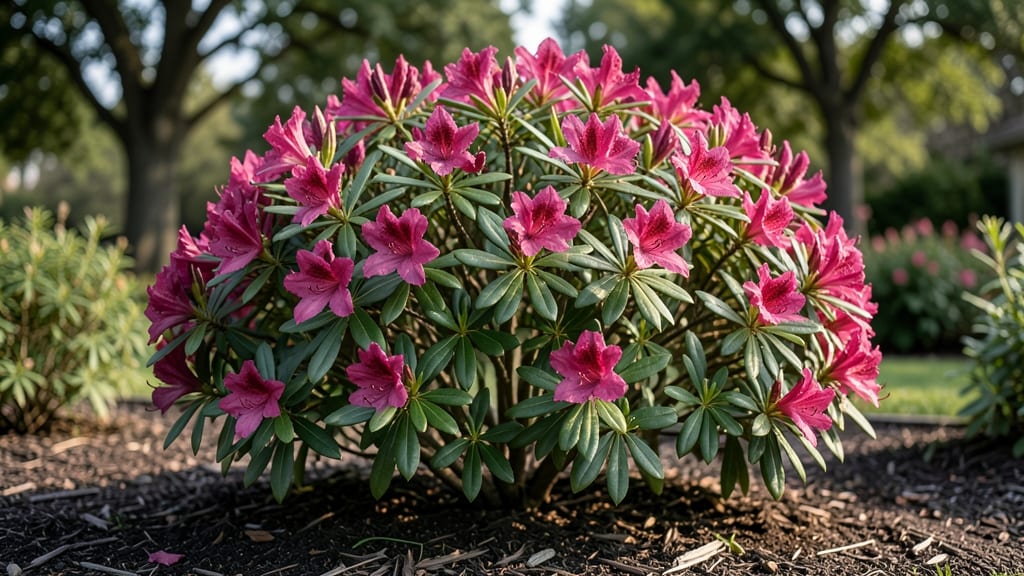
Azaleas flower in spring—typically between March and May—but the exact timing depends on your USDA zone and whether you’ve planted early or late bloomers.
If you’ve ever wondered why your azalea blooms seem to appear out of nowhere—or why your neighbor’s plant flowers months earlier—timing is everything.
Azaleas are finicky about climate, and knowing the exact months they’ll burst into color in your USDA zone could mean the difference between a stunning spring display and a missed opportunity.
In cooler zones like 6a, where I garden, azaleas often wait until late April or early May, while warmer regions like Zone 9 may see blooms as early as December or as late as February.
The key? Understanding your local frost dates and choosing the right variety for your climate.
Below, I’ll break down the best months to expect blooms in your area, how to extend your azalea’s flowering season, and the simple care tricks that keep your 🌸 shrubs blooming year after year.
Azalea flowering months by USDA Zone: a month-by-month guide
Azaleas are one of the most anticipated spring (and sometimes fall) bloomers, but their flowering windows vary dramatically depending on your USDA zone.
In colder zones like Zone 4, azaleas might not even bloom until late May, while in Zone 9, they can flower as early as December! Understanding these patterns helps you plan your garden and avoid frost damage to delicate buds.
The key factor is temperature cues. Most azaleas need chilling hours (300–900 hours below 45°F) to trigger blooming, but warm winters in southern zones can confuse their cycle.
For example, a Zone 7 azalea might bloom in April after a cold winter, but in Zone 10, the same variety could flower in January—if it gets enough winter chill.
Early bloomers (like Rhododendron prinophyllum) often appear first, followed by mid-season varieties (e.g., Rhododendron catawbiense) and late bloomers (such as Rhododendron vaseyi). Below, I’ve broken down the exact months for each zone, including reblooming varieties that can produce two flushes of flowers per year.
| USDA Zone | Primary Bloom Months | Reblooming Varieties | Key Notes |
|---|---|---|---|
| Zone 4 | Late May–June | Rare (needs extra chill) | Hardy varieties like Girard’s Pink; protect buds from late frost. |
| Zone 5 | May–early June | Possible with 'Bow Bells' | Early varieties may bloom in April if winter was mild. |
| Zone 6 | April–May | 'Tiny Bell' (fall + spring) | Spring bloomers peak in May; fall bloomers in October. |
| Zone 7 | April–May | 'Hino Crimson' (reblooms) | April frost risk; mulch heavily to protect roots. |
| Zone 8 | March–April | 'Southern Indica' (fall + spring) | Early bloomers may appear in February with warm winters. |
| Zone 9 | December–February | 'George L. Taber' (year-round) | No winter dormancy; blooms can be sporadic. |
| Zone 10 | October–December | 'Dr. Huey' (fall + spring) |
How to extend your azalea blooms: pruning, fertilizing, and care tipsAzaleas are showstoppers in any garden, but their blooms can fade faster than you’d like—unless you know the right tricks. The secret to long-lasting azalea flowers lies in three key areas: timely pruning, acid-loving fertilizer, and seasonal adjustments. Most gardeners make the mistake of pruning at the wrong time, which can cut off next year’s blooms before they even form. Let’s fix that together! First, understand that azaleas bloom on old wood, meaning their flower buds form on the previous year’s growth. If you prune too late or too aggressively, you’ll sacrifice next season’s vibrant blooms. The best time to prune is immediately after flowering, typically in late spring or early summer. This gives your plant time to set new buds before winter dormancy. For reblooming varieties, a light trim in late summer can encourage a second flush of flowers. 1
Prune after blooming (late spring/early summer) to avoid cutting off next year’s buds.
2
Use acid-loving fertilizer (like azalea/camellia mix) in early spring and after flowering.
3
Mulch annually with pine bark or peat moss to maintain soil acidity and moisture.
4
Water deeply in morning to prevent fungal issues and encourage strong root growth.
5
Avoid full sun in hot zones—opt for morning sun and afternoon shade to prolong blooms.
Fertilizing is another game-changer for extended azalea blooms. These acid-loving plants thrive with low-nitrogen, high-phosphorus fertilizers designed for rhododendrons and azaleas. I recommend applying a 10-10-10 or 7-7-7 NPK formula in early spring (March) to kickstart growth and again after flowering (June) to replenish nutrients. Slow-release granules are ideal—they feed your plant steadily without the risk of over-fertilization, which can burn roots or lead to fewer blooms. Don’t forget about seasonal adjustments for reblooming varieties like ‘Girard’s’ or ‘Tiny Mite’. These special azaleas can produce two flushes of flowers if given the right care. After the first bloom cycle, give your plant a light trim (no more than 10% of the plant) in late summer to encourage new growth. Pair this with a light fertilizer application in August to support the second bloom. Just remember: rebloomers need consistent moisture and protection from late frosts. Before the blooming season kicks in, use this quick pre-bloom checklist to set your azaleas up for success: - Test soil pH (aim for 4.5–6.0; amend with sulfur if needed). - Apply a slow-release fertilizer in early spring. - Mulch with 2–3 inches of pine bark to retain moisture and acidity. - Prune dead or crossing branches immediately after flowering. - Water deeply in the morning to reduce fungal risks. With these strategies, your azaleas will reward you with longer-lasting, more abundant blooms year after year. The key is patience—azaleas thrive on consistent care, not quick fixes. Start today, and next spring, your garden will be the envy of the neighborhood! 🌸 |