
Flowers
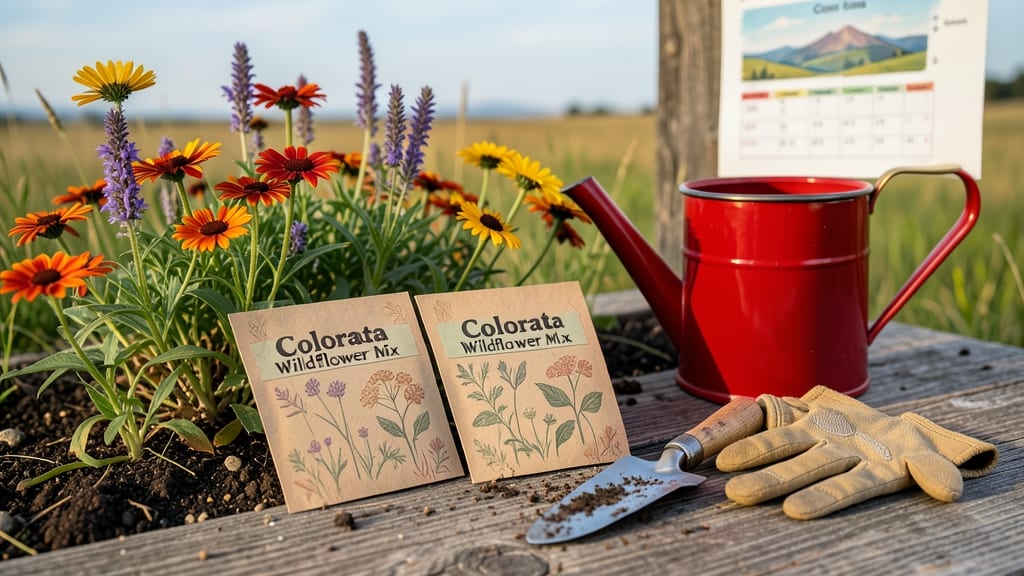
Planting flowers in Colorado at the right time means the difference between vibrant blooms and stunted growth—timing is everything for USDA zones 5-7.
Colorado’s diverse landscapes—from Denver’s urban gardens to the high-altitude slopes of the Rockies—throw a wrench into one-size-fits-all advice. A late spring frost in Boulder can wipe out tender seedlings, while Pueblo’s warmer climate lets you push the season earlier. Without the right schedule, even the hardiest 🌸 varieties will struggle.
This guide cuts through the guesswork with zone-specific planting windows, frost-date math, and flower types that thrive in Colorado’s short growing season. Whether you’re sowing cool-season pansies in March or extending blooms into fall, we’ll show you how to align your calendar with Colorado’s climate quirks.
You’ll walk away with a simple checklist, soil prep secrets, and the confidence to plant when your flowers will flourish—not flounder. Let’s get those roots in the ground at the perfect moment.
Colorado’s USDA zones: exact planting months by elevation and frost dates
Colorado’s USDA zones 4-8 create unique challenges for gardeners, where elevation shifts frost dates dramatically. At 5,280 feet (Denver), zone 5 rules, while 6,000+ feet pushes you into zone 4.
Meanwhile, Colorado Springs (zone 6) and Pueblo (zone 7) enjoy longer growing seasons—knowing these zones helps you time plantings perfectly for stronger roots and bigger blooms.
Your last frost date isn’t just a guess—it’s a calculation. In Denver/Boulder (zone 5), average last frost falls April 15-30, but late frosts can hit May 15.
Meanwhile, zone 7 (Pueblo) sees last frosts by March 15, giving you 6+ weeks earlier to plant warm-season flowers like marigolds or zinnias.
Here’s how to adjust your schedule by zone, plant type, and elevation:
| USDA Zone | Avg. Last Frost | Annuals (Spring) | Perennials (Fall) | Bulbs (Planting) |
|---|---|---|---|---|
| Zone 4 (7,000+ ft) | May 1-15 | Late May–June 15 (use row covers) | August 15–September 15 | September–October (tulips, daffodils) |
| Zone 5 (5,000–6,000 ft) | April 15–30 | April 15–May 15 (hardy annuals) | August 1–September 10 | October (crocuses, hyacinths) |
| Zone 6 (4,000–5,000 ft) | March 15–April 1 | March 15–April 30 (warm-season after May 15) | July 15–August 15 | September–October (alliums, daffodils) |
| Zone 7 (3,500–4,000 ft) | February 15–March 1 | February 15–April 15 (early starts) | June 15–July 30 | October–November (tender bulbs) |
Adjust for microclimates: South-facing slopes warm 2–3 weeks earlier than shaded areas.
For zone 4-5 gardeners (Denver, Fort Collins), late frosts are the biggest threat. Use cold-hardy annuals like pansies or sweet peas in early April, then switch to marigolds or zinnias after May 15.
In zone 6-7 (Colorado Springs, Pueblo), you can plant tomatoes and peppers by March 15—just protect them with frost cloth until April.
Perennials thrive when planted in fall (August–September), giving roots time to establish before winter. In zone 5, divide irises or daylilies after blooming (June–July), then replant by September 1.
Bulbs like tulips need 6–8 weeks of chill, so plant them in October (zone 5) or November (zone 7) for spring blooms.
Pro tip: Check Colorado State University’s frost maps for your exact location—urban areas like Denver can be 5°F warmer than rural zones. If you’re unsure, start seeds indoors 6–8 weeks before your last frost date for annuals like petunias or snapdragons, then transplant after May 1.
Microclimates matter too. A south-facing slope in zone 5 may warm enough for warm-season flowers by May 1, while a north-facing garden might need to wait until June 1. Test your soil with a thermometer—plant when it hits 60°F+ for annuals or 50°F+ for perennials.
For high-altitude gardens (7,000+ ft), focus on short-season
Best flowers to plant in Colorado by season: cool- vs. warm-season strategies
Colorado’s diverse microclimates demand smart flower selection—cool-season bloomers thrive in spring and fall, while warm-season stars shine from late May to October. The key? Staggered planting to avoid color gaps and match your USDA zone.
Front Range gardens (zones 5-6) need frost-tolerant varieties, while Western Slope (zones 7-8) can handle heat-loving annuals with drought-resistant roots.
My top-performing cool-season flowers—like pansies, snapdragons, and sweet peas—start in March for Front Range or April for high-altitude areas. These hardy annuals handle light frosts and bloom until late May, setting the stage for warm-season stars.
For Western Slope gardens, cool-season planting shifts to February-March to escape earlier heat waves.
🌱
🌸 When to Plant Flowers in Colorado by Season
- 📅 Early Spring (March-April): Plant cool-season annuals like pansies, violas, and snapdragons—ideal for Front Range zones 5-6. Start perennial seeds indoors (e.g., coneflowers, black-eyed Susans) 6-8 weeks before last frost.
- 🌞 Late Spring (May-June): Transition to warm-season blooms like marigolds, zinnias, and cosmos. Wait until soil reaches 60°F+ to avoid frost damage in high-altitude zones (e.g., Boulder, Fort Collins).
- ☀️ Summer (July-August): Succession plant heat-tolerant annuals (e.g., sunflowers, salvia) every 2-3 weeks for continuous blooms. Drought-proof picks like lupine and blanket flower thrive in Western Slope’s dry heat.
- 🍂 Fall (August-September): Plant cool-season bulbs (e.g., tulips, daffodils) and hardy perennials like asters and chrysanthemums for October-November color. Front Range gardens can extend blooms until first frost (mid-October).
- ❄️ Winter Prep (October-November): Divide perennials (e.g., daylilies, sedum) and mulch heavily to protect roots. Spring-blooming bulbs (e.g., crocuses, hyacinths) can be planted until ground freezes.
Pro Tip: Use row covers to extend cool-season blooms by 2-3 weeks in high-altitude zones (e.g., Aspen, Telluride).
For continuous color, I stagger plantings every 3-4 weeks from March to August. For example, pansies in early spring give way to zinnias in June, then mums in August. Drought-tolerant varieties like yarrow and lavender are my go-to for Western Slope gardens, where water conservation is critical.
Don’t overlook perennials for long-term color. Coneflowers and black-eyed Susans planted in spring or fall return year after year with minimal care. Pair them with annuals like salvia for season-long interest.
In Front Range gardens, mixed borders of cool-season pansies + warm-season cosmos create a nonstop bloom parade.
🌻